‘Bone-free’ fish created in China
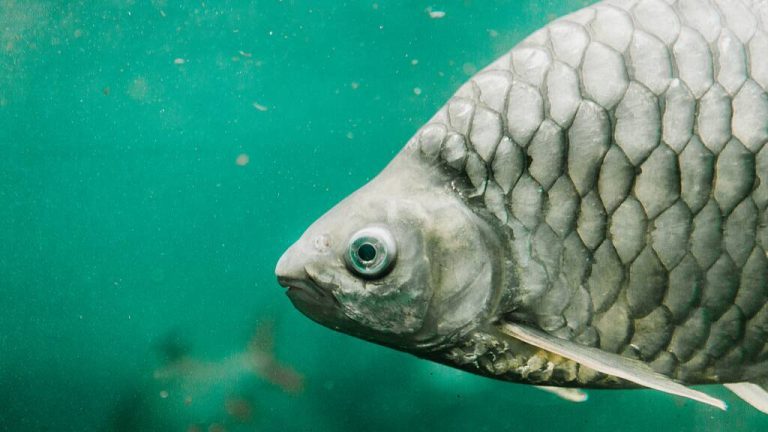
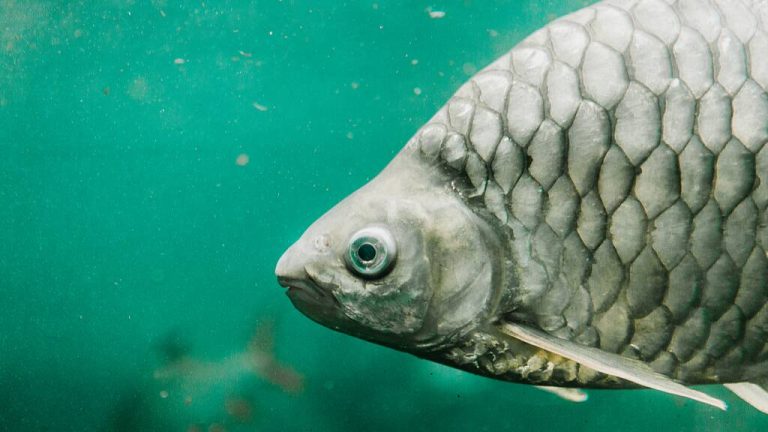
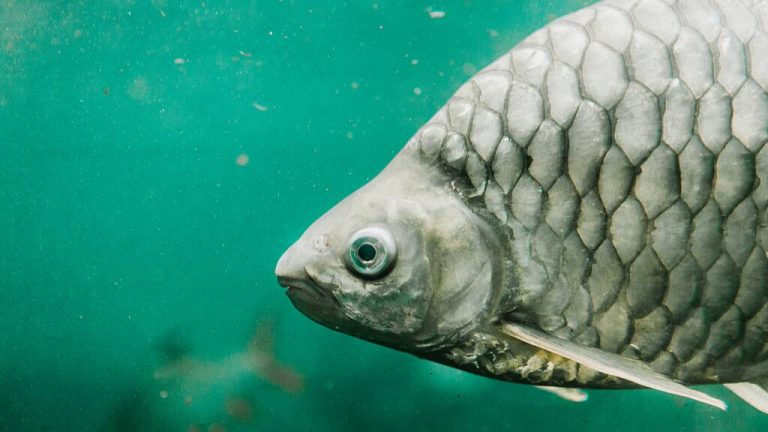
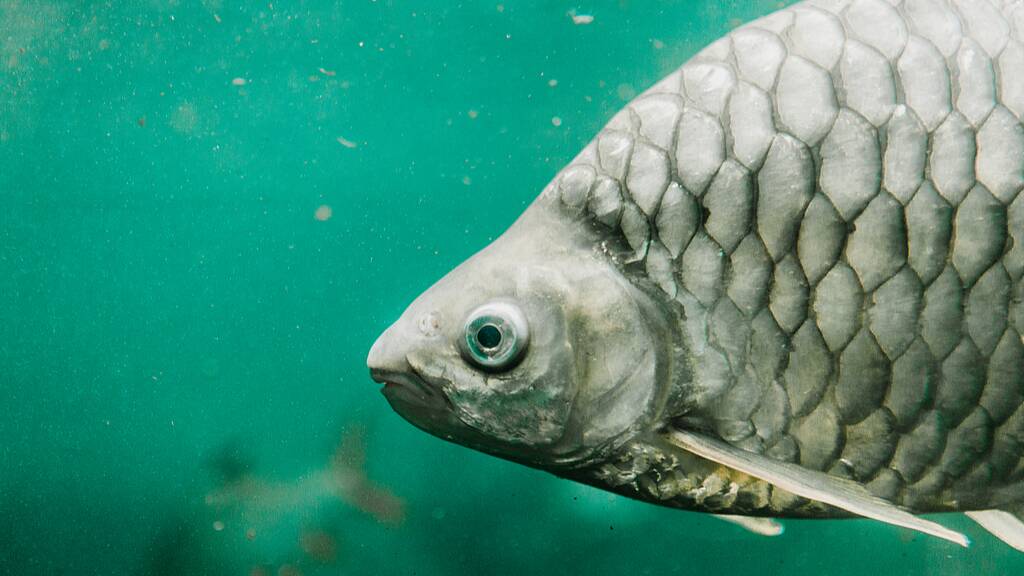
The world of aquaculture has just taken a significant leap forward, thanks to a groundbreaking discovery made by scientists in China. A team of researchers at the Chinese Academy of Sciences has successfully created a new strain of gibel carp fish that is virtually free of intermuscular bones, making it safer and easier to eat. This innovative breakthrough has the potential to revolutionize the way we consume fish, reducing the risk of choking and making it a more enjoyable experience for people of all ages.
The creation of this ‘bone-free’ fish is the result of years of research and experimentation, using the powerful CRISPR gene-editing tool. CRISPR, which stands for Clustered Regularly Interspaced Short Palindromic Repeats, is a revolutionary technology that allows scientists to edit genes with unprecedented precision and accuracy. By using CRISPR to disable a specific gene responsible for the development of intermuscular bones, the researchers were able to create a fish that is virtually boneless, while keeping its main skeleton intact.
The gibel carp, a species of fish that is widely consumed in China and other parts of Asia, was chosen for this experiment due to its relatively small size and fast growth rate. The fish’s intermuscular bones, which are the fine bones that are embedded in the flesh of the fish, can be a significant problem for consumers, as they can cause choking and other health issues. By removing these bones, the researchers have made the fish much safer and more enjoyable to eat.
The implications of this breakthrough are significant, not just for the aquaculture industry, but also for public health. According to the World Health Organization (WHO), choking is a major cause of death and injury worldwide, particularly among children and the elderly. The creation of bone-free fish could help to reduce the risk of choking, making it a much safer food option for people of all ages.
In addition to the safety benefits, the creation of bone-free fish could also have significant economic implications. The global fish market is a multi-billion dollar industry, with millions of people around the world relying on fish as a source of protein. By making fish safer and easier to eat, the researchers may have opened up new markets and opportunities for the industry, particularly in countries where fish is a staple food.
The use of CRISPR gene-editing technology in this experiment is also noteworthy, as it highlights the potential of this technology to transform the way we produce and consume food. CRISPR has already been used to create a range of genetically modified crops, including corn, soybeans, and wheat, and its use in animal husbandry is also becoming more widespread. The creation of bone-free fish is just one example of the many potential applications of CRISPR in the food industry, and it is likely that we will see many more innovative uses of this technology in the years to come.
One of the most significant advantages of CRISPR gene-editing is its precision and accuracy. Unlike traditional breeding techniques, which can be slow and unpredictable, CRISPR allows scientists to edit genes with pinpoint accuracy, reducing the risk of unintended consequences. This makes it an ideal tool for creating genetically modified organisms (GMOs) that are safe and effective.
Despite the many benefits of CRISPR gene-editing, there are still some concerns about the safety and ethics of this technology. Some critics argue that the use of CRISPR could have unintended consequences, such as the creation of “superweeds” or “superpests” that are resistant to pesticides and other control measures. Others have raised concerns about the potential impact of CRISPR on human health, particularly in the context of gene therapy and other medical applications.
However, in the case of the bone-free fish, the risks appear to be minimal. The researchers have taken a cautious and responsible approach to the use of CRISPR, carefully selecting the gene to be edited and verifying the safety and efficacy of the resulting fish. The fact that the fish’s main skeleton remains intact, while the intermuscular bones are removed, suggests that the edit is specific and targeted, with minimal risk of unintended consequences.
In conclusion, the creation of bone-free fish in China is a significant breakthrough that has the potential to transform the way we produce and consume fish. The use of CRISPR gene-editing technology has made it possible to create a fish that is safer and easier to eat, reducing the risk of choking and making it a more enjoyable experience for people of all ages. As the global fish market continues to grow and evolve, it is likely that we will see many more innovative applications of CRISPR and other gene-editing technologies, leading to a more sustainable, efficient, and safe food system for all.
News Source: https://www.republicworld.com/science/boneless-fish-created-by-china-in-lab-after-years-of-research
About the Author