‘Bone-free’ fish created in China
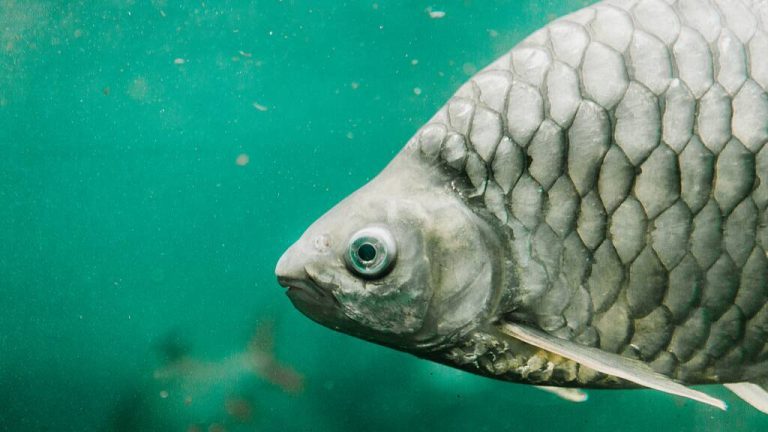
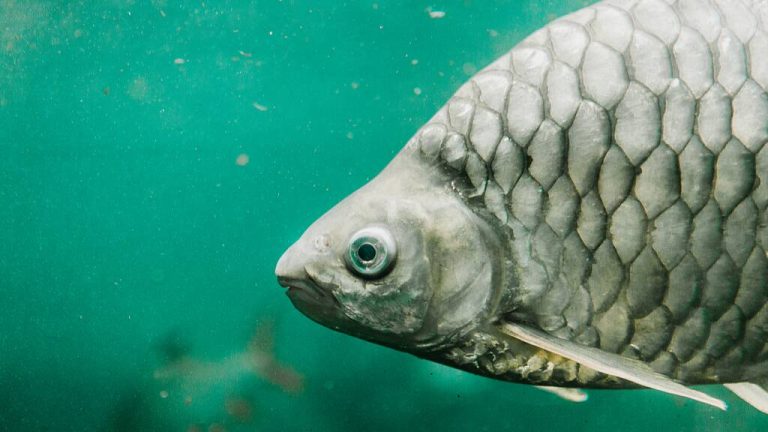
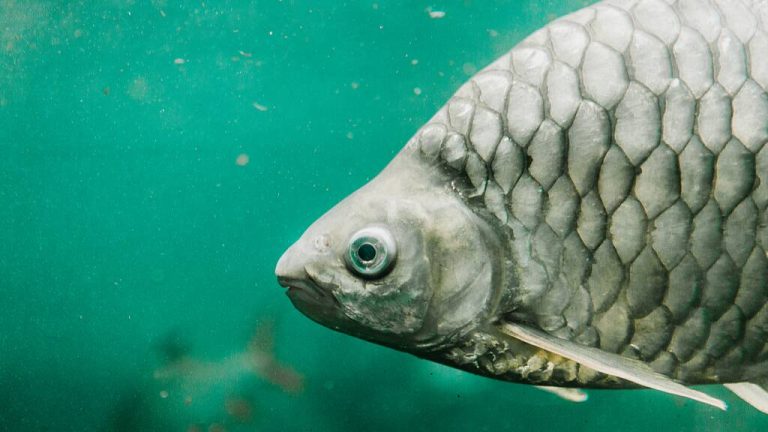
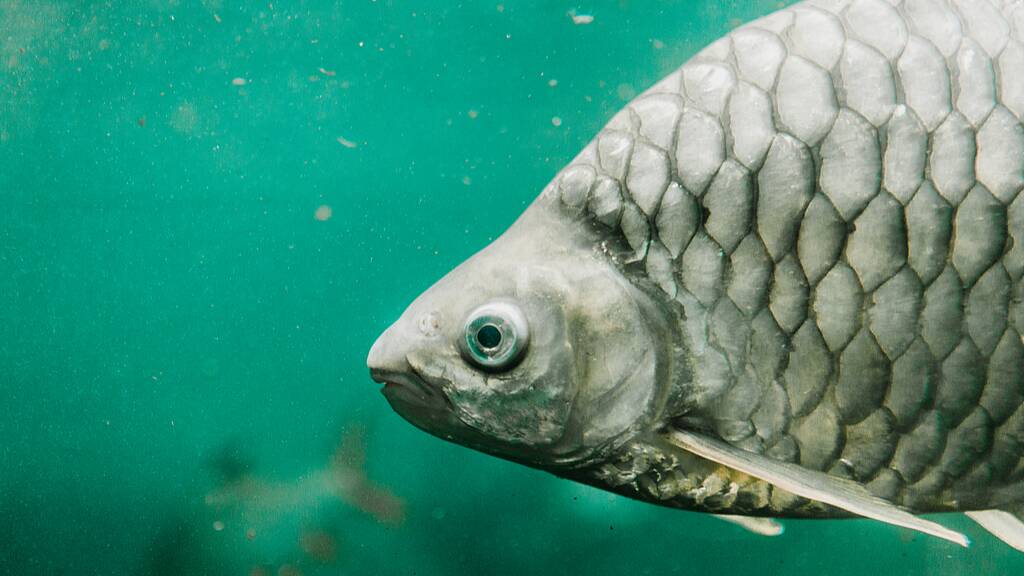
In a groundbreaking development, scientists in China have successfully created a new strain of gibel carp fish that is virtually free of intermuscular bones. This innovative breakthrough has the potential to revolutionize the fishing industry and make fish consumption safer and easier for people around the world. The Chinese Academy of Sciences has used CRISPR gene-editing technology to disable a specific gene responsible for the growth of fine bones within the fish’s flesh, while keeping the main skeleton intact.
The gibel carp, a popular freshwater fish in China, is known for its delicious taste and high nutritional value. However, like many other fish species, it contains intermuscular bones that can be a nuisance to eat and even pose a choking hazard. These fine bones, also known as pin bones, are embedded within the fish’s flesh and can be difficult to remove during the filleting process. As a result, many people, especially children and the elderly, are often cautious when consuming fish due to the risk of choking on these bones.
The Chinese scientists’ achievement is a significant step forward in addressing this issue. By using CRISPR gene-editing, they were able to identify and disable the gene responsible for the growth of intermuscular bones in the gibel carp. This gene, known as “fstl1,” plays a crucial role in the development of fine bones within the fish’s flesh. By editing out this gene, the scientists were able to create a new strain of gibel carp that is virtually bone-free.
The CRISPR gene-editing technology has been gaining popularity in recent years due to its precision and efficiency in editing genes. This technology allows scientists to make targeted changes to an organism’s genome, enabling them to modify specific traits or characteristics. In the case of the bone-free fish, the CRISPR technology was used to disable the “fstl1” gene, which resulted in a significant reduction in the number of intermuscular bones.
The implications of this breakthrough are significant. For one, it could reduce the risk of choking on fish bones, which is a major concern for many people. According to the American Academy of Pediatrics, choking is a leading cause of injury and death in children, and fish bones are one of the most common objects that can cause choking. By creating a bone-free fish, the Chinese scientists may have found a solution to this problem.
Moreover, the bone-free fish could also make fish consumption more convenient and enjoyable. Without the hassle of dealing with intermuscular bones, people may be more likely to include fish in their diet, which is rich in protein, omega-3 fatty acids, and other essential nutrients. The bone-free fish could also open up new opportunities for the fishing industry, as it could become a more attractive option for consumers who are looking for a hassle-free and safe fish-eating experience.
The Chinese scientists’ achievement is also a testament to the power of genetic engineering and biotechnology. By using advanced technologies like CRISPR, scientists can now manipulate the genetic code of organisms to create new traits and characteristics that can benefit society. This breakthrough could also pave the way for further innovations in the field of aquaculture, as scientists may be able to create other genetically modified fish species that are more resilient, sustainable, and nutritious.
However, it’s worth noting that the creation of genetically modified organisms (GMOs) can also raise concerns about their potential impact on the environment and human health. While the Chinese scientists’ achievement is a significant breakthrough, it’s essential to ensure that the bone-free fish is safe for human consumption and does not pose any risks to the environment.
In conclusion, the creation of a bone-free fish in China is a groundbreaking development that has the potential to revolutionize the fishing industry and make fish consumption safer and easier for people around the world. The use of CRISPR gene-editing technology to disable the gene responsible for intermuscular bones is a significant achievement, and it demonstrates the power of genetic engineering and biotechnology in creating innovative solutions to real-world problems. As the world continues to grapple with the challenges of food security and sustainability, breakthroughs like this one could play a crucial role in shaping the future of food production and consumption.
News Source: https://www.republicworld.com/science/boneless-fish-created-by-china-in-lab-after-years-of-research
About the Author