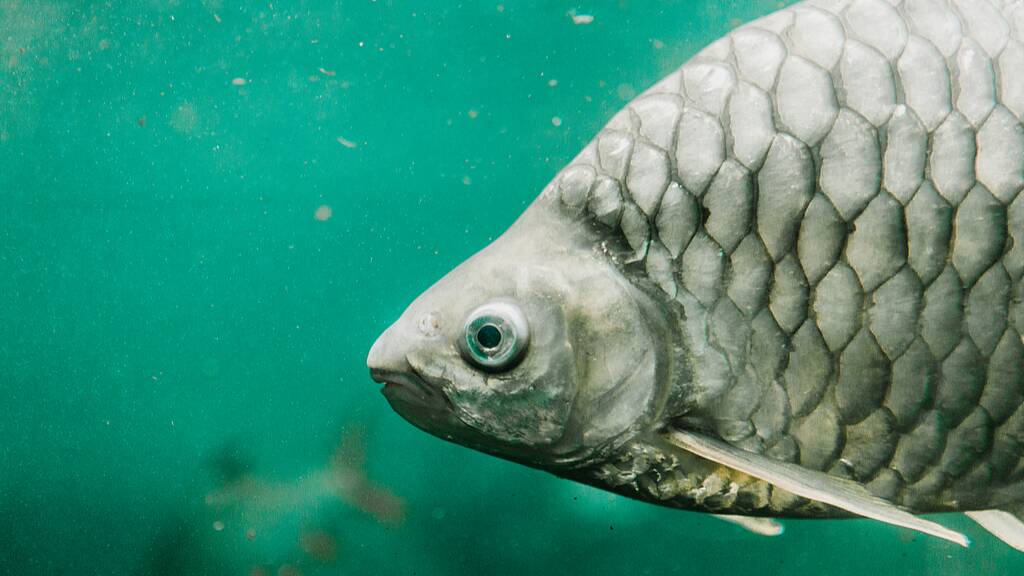
‘Bone-free’ fish created in China
The world of aquaculture has just witnessed a significant breakthrough, courtesy of Chinese scientists. A team of researchers at the Chinese Academy of Sciences has successfully created a new strain of gibel carp fish that is virtually free of intermuscular bones. This innovative achievement has been made possible through the use of CRISPR gene-editing technology, which has enabled the scientists to disable a specific gene responsible for the development of these fine bones. The implications of this discovery are far-reaching, making the fish safer and easier to eat, while also reducing the risk of choking.
For years, fish has been a staple food in many cultures around the world. However, one of the major drawbacks of consuming fish is the presence of intermuscular bones, which can be a nuisance to eat and, more importantly, pose a choking hazard. The gibel carp, in particular, is a popular species of fish in China, known for its flavorful flesh and firm texture. However, its numerous intermuscular bones have always been a concern for consumers. The new strain of bone-free gibel carp fish is set to revolutionize the way we consume fish, making it a more enjoyable and safer experience.
The CRISPR gene-editing technology has been instrumental in achieving this breakthrough. CRISPR, which stands for Clustered Regularly Interspaced Short Palindromic Repeats, is a powerful tool that allows scientists to edit genes with unprecedented precision. By targeting specific genes, researchers can modify the genetic code of an organism, effectively “editing” its DNA. In the case of the gibel carp, the scientists used CRISPR to disable a gene responsible for the development of intermuscular bones. This gene, which is responsible for the formation of the fine bones that run through the fish’s flesh, was identified and targeted using CRISPR.
The process of creating the bone-free gibel carp fish was a complex and painstaking one. The researchers began by identifying the gene responsible for the development of intermuscular bones. They then used CRISPR to disable this gene, effectively “switching it off.” The modified fish were then bred and raised in a controlled environment, where their development and growth were closely monitored. The results were nothing short of remarkable – the fish grew and developed normally, but without the intermuscular bones that are typically found in gibel carp.
The implications of this breakthrough are significant. For one, it makes the fish safer to eat, reducing the risk of choking on fine bones. This is particularly important for vulnerable populations, such as the elderly and young children, who are more susceptible to choking hazards. Additionally, the bone-free gibel carp fish is set to become a more appealing option for consumers, who will no longer have to contend with the hassle of picking out bones from their fish.
The breakthrough also has significant economic implications. The gibel carp is a major commercial species, with millions of tons harvested every year. The new strain of bone-free gibel carp fish is set to increase the value of the fish, making it more attractive to consumers and commanding a higher price. This, in turn, is set to benefit the aquaculture industry, which is a significant contributor to many economies around the world.
Furthermore, the use of CRISPR gene-editing technology in this breakthrough has significant implications for the future of aquaculture. The technology has the potential to revolutionize the way we breed and raise fish, allowing for the creation of new strains with desirable traits. This could include fish that are more resistant to disease, or fish that have improved nutritional profiles. The possibilities are endless, and the breakthrough in creating the bone-free gibel carp fish is just the beginning.
In conclusion, the creation of the bone-free gibel carp fish is a significant breakthrough that is set to revolutionize the way we consume fish. The use of CRISPR gene-editing technology has enabled scientists to disable a gene responsible for the development of intermuscular bones, making the fish safer and easier to eat. The implications of this discovery are far-reaching, with significant economic and social benefits. As the world continues to grapple with the challenges of food security and sustainability, breakthroughs like this one are a reminder of the power of science and technology to transform our lives.
News Source: https://www.republicworld.com/science/boneless-fish-created-by-china-in-lab-after-years-of-research
About the Author