‘Bone-free’ fish created in China
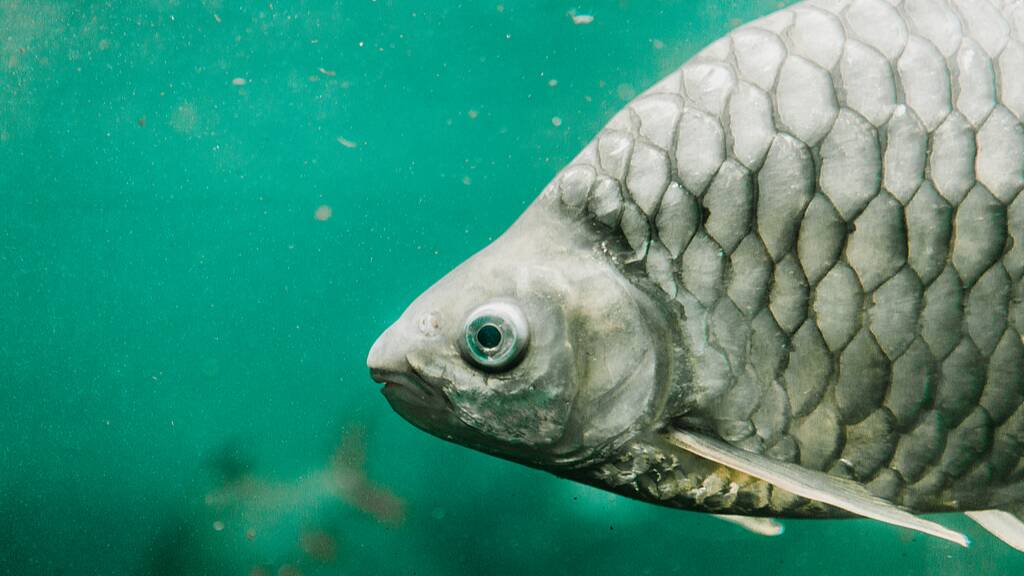
In a groundbreaking achievement, scientists in China have successfully created a new strain of gibel carp fish that is virtually free of intermuscular bones. This innovative breakthrough has the potential to revolutionize the way we consume fish, making it safer and easier to eat. The research, conducted by scientists at the Chinese Academy of Sciences, utilized the powerful CRISPR gene-editing tool to disable a specific gene responsible for the development of fine bones within the fish’s muscles.
The presence of intermuscular bones, also known as pinbones, can be a nuisance for fish consumers. These small, fragile bones can be difficult to remove and often pose a choking hazard, particularly for young children and the elderly. The new strain of gibel carp fish, however, has been engineered to have significantly fewer of these bones, making it a more appealing and safer option for consumers.
To achieve this remarkable feat, the scientists employed the CRISPR-Cas9 gene-editing technique, which allows for precise modifications to an organism’s DNA. By targeting and disabling the gene responsible for the development of intermuscular bones, the researchers were able to create a fish with a significantly reduced number of these bones. Notably, the main skeleton of the fish remains intact, ensuring that the fish’s overall structure and integrity are not compromised.
The implications of this breakthrough are substantial. With the risk of choking on fish bones significantly reduced, consumers can enjoy their favorite fish dishes with greater confidence. Furthermore, the creation of bone-free fish could also lead to increased efficiency in the food processing industry. Fish processing plants often spend considerable time and resources on deboning and filleting fish, a process that can be tedious and prone to error. With bone-free fish, these steps could be simplified or even eliminated, resulting in cost savings and improved product quality.
The use of CRISPR gene-editing in this research also highlights the vast potential of this technology in revolutionizing various fields, including agriculture and biotechnology. By allowing scientists to make precise modifications to an organism’s DNA, CRISPR-Cas9 has opened up new avenues for the development of novel crops, livestock, and even biomedical applications.
It is worth noting that the creation of genetically modified organisms (GMOs) can be a contentious issue, with some consumers expressing concerns about the safety and environmental impact of such products. However, in the case of the bone-free fish, the modifications made to the fish’s genome are specific and targeted, with the primary goal of improving food safety and quality.
The Chinese Academy of Sciences, a prestigious research institution, has been at the forefront of various scientific breakthroughs in recent years. The development of the bone-free fish is a testament to the institution’s commitment to innovative research and its potential to drive meaningful change in various fields.
As the world’s population continues to grow, the demand for sustainable and safe food sources will become increasingly important. The creation of bone-free fish is a significant step in this direction, offering a promising solution to a long-standing problem in the food industry. While further research and testing are necessary to ensure the safety and efficacy of this new strain of fish, the potential benefits are undeniable.
In conclusion, the creation of ‘bone-free’ fish in China is a remarkable achievement that has the potential to transform the way we consume fish. By utilizing CRISPR gene-editing to disable a specific gene responsible for intermuscular bones, scientists have successfully developed a new strain of gibel carp fish that is safer and easier to eat. As this technology continues to evolve, we can expect to see more innovative applications of gene-editing in various fields, leading to improved food security, sustainability, and quality of life.
News Source: https://www.republicworld.com/science/boneless-fish-created-by-china-in-lab-after-years-of-research
About the Author