‘Bone-free’ fish created in China
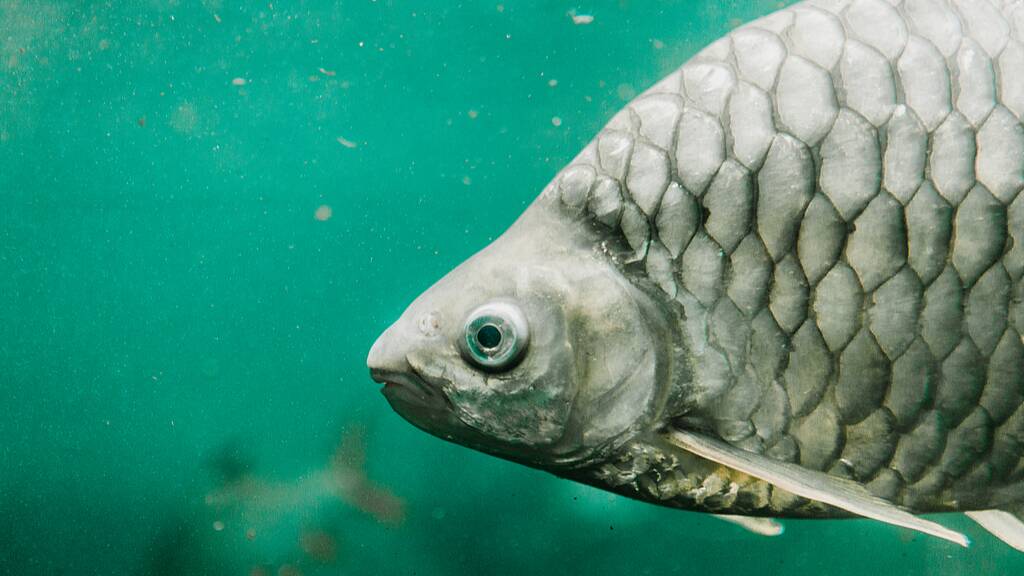
In a groundbreaking achievement, scientists at the Chinese Academy of Sciences have successfully created a new strain of gibel carp fish that is virtually free of intermuscular bones. This innovative breakthrough has the potential to revolutionize the way we consume fish, making it safer and easier to eat. The scientists used CRISPR gene-editing technology to disable a specific gene responsible for the development of fine bones within the fish’s flesh, while keeping the main skeleton intact.
The creation of ‘bone-free’ fish is a significant development, particularly in countries where fish is a staple food. Fish bones can be a major choking hazard, especially for young children and the elderly. According to the American Academy of Pediatrics, fish bones are among the top five most common objects that cause choking in children. The new strain of gibel carp fish could significantly reduce the risk of choking, making it a safer food option for people of all ages.
The scientists used CRISPR (Clustered Regularly Interspaced Short Palindromic Repeats) gene-editing technology to achieve this remarkable feat. CRISPR is a powerful tool that allows researchers to edit genes with unprecedented precision. By disabling the gene responsible for intermuscular bones, the scientists were able to create a fish that is almost completely boneless. The main skeleton of the fish remains intact, ensuring that the fish’s overall structure and texture are not compromised.
The creation of ‘bone-free’ fish is the result of years of research and experimentation. The scientists at the Chinese Academy of Sciences worked tirelessly to identify the specific gene responsible for intermuscular bones and to develop a method to disable it. The use of CRISPR gene-editing technology was instrumental in this process, as it allowed the scientists to edit the gene with precision and accuracy.
The implications of this breakthrough are significant. The creation of ‘bone-free’ fish could lead to a reduction in food-related choking incidents, particularly in countries where fish is a staple food. It could also lead to an increase in the consumption of fish, as people may be more willing to eat fish that is easier to eat and less likely to cause choking.
In addition to the safety benefits, the creation of ‘bone-free’ fish could also have economic implications. The fish farming industry is a significant sector in many countries, and the creation of ‘bone-free’ fish could lead to an increase in demand for fish products. This could result in economic benefits for fish farmers and related industries.
The use of CRISPR gene-editing technology in the creation of ‘bone-free’ fish also raises interesting questions about the potential applications of this technology in other areas. Could CRISPR be used to create other types of ‘bone-free’ animals, such as poultry or livestock? Could it be used to create animals that are more resistant to disease or that have improved nutritional profiles?
While the creation of ‘bone-free’ fish is a significant breakthrough, it is also important to consider the potential risks and challenges associated with this technology. For example, there may be concerns about the potential environmental impact of introducing genetically modified fish into the wild. There may also be concerns about the potential health effects of consuming genetically modified fish.
In conclusion, the creation of ‘bone-free’ fish in China is a significant breakthrough that has the potential to revolutionize the way we consume fish. The use of CRISPR gene-editing technology has allowed scientists to create a fish that is virtually free of intermuscular bones, making it safer and easier to eat. While there are potential risks and challenges associated with this technology, the benefits of ‘bone-free’ fish are clear. As research and development continue, it will be interesting to see how this technology is applied in other areas and how it may shape the future of food production.
News Source: https://www.republicworld.com/science/boneless-fish-created-by-china-in-lab-after-years-of-research
About the Author