‘Bone-free’ fish created in China
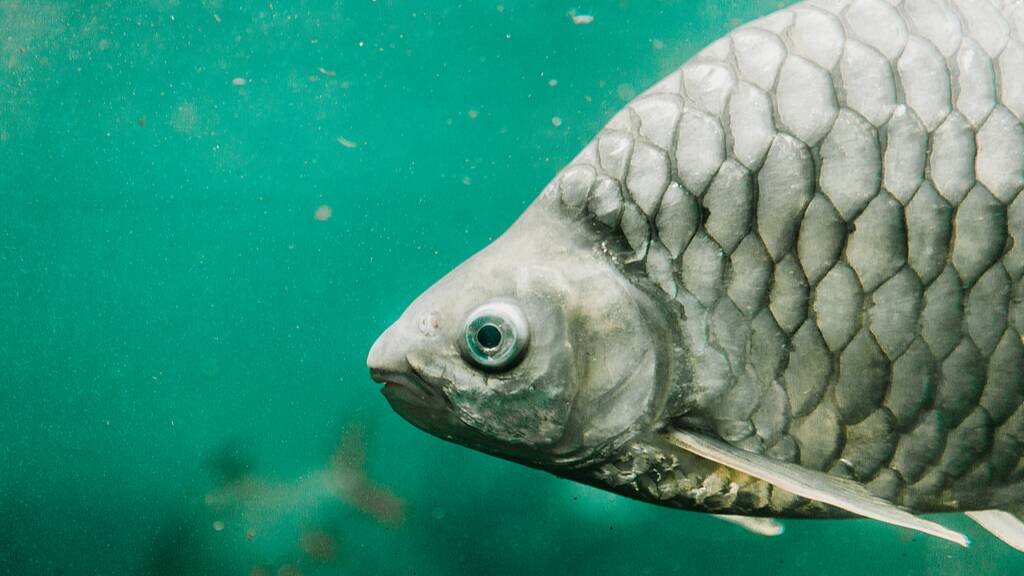
In a groundbreaking achievement, a team of scientists at the Chinese Academy of Sciences has successfully created a new strain of gibel carp fish that is virtually free of intermuscular bones. This innovative breakthrough has the potential to revolutionize the way we consume fish, making it safer and easier to eat. The scientists used CRISPR gene-editing technology to disable a specific gene responsible for the development of these fine bones, while keeping the fish’s main skeleton intact.
The creation of ‘bone-free’ fish is a significant milestone in the field of aquaculture and food science. For years, researchers have been working to develop a strain of fish that is easier to eat and reduces the risk of choking on bones. The traditional method of removing bones from fish is a time-consuming and labor-intensive process, which can also lead to a significant loss of edible flesh. The new strain of gibel carp fish, on the other hand, has been engineered to have minimal intermuscular bones, making it an attractive option for consumers.
The use of CRISPR gene-editing technology has been instrumental in achieving this breakthrough. CRISPR, which stands for Clustered Regularly Interspaced Short Palindromic Repeats, is a powerful tool that allows scientists to edit genes with unprecedented precision. By targeting specific genes, researchers can manipulate the genetic code of an organism to introduce desirable traits or eliminate undesirable ones. In the case of the ‘bone-free’ fish, the scientists used CRISPR to disable a gene that is responsible for the development of intermuscular bones.
The process of creating the ‘bone-free’ fish involved several stages. First, the scientists identified the gene responsible for the development of intermuscular bones in gibel carp fish. They then used CRISPR to introduce a small change to the gene, which effectively disabled its function. The modified fish were then bred and raised in a controlled environment, where they were monitored for any adverse effects. The results were impressive, with the modified fish showing a significant reduction in intermuscular bones.
The implications of this breakthrough are significant. The creation of ‘bone-free’ fish could reduce the risk of choking on bones, which is a major concern for consumers, particularly children and the elderly. According to the American Academy of Pediatrics, choking on food is a leading cause of injury and death in children under the age of 4. The ‘bone-free’ fish could also make it easier for people with dental problems or other conditions that make it difficult to eat fish with bones.
The ‘bone-free’ fish could also have a significant impact on the food industry. Fish is a popular ingredient in many cuisines around the world, and the creation of a strain that is easier to eat could lead to an increase in demand. The ‘bone-free’ fish could also be used to create new products, such as boneless fish fillets or fish sticks, which could be marketed as a safer and more convenient alternative to traditional fish products.
However, the creation of ‘bone-free’ fish also raises some concerns. Some critics have argued that the use of genetic modification to create new strains of fish could have unintended consequences, such as the development of new diseases or the disruption of ecosystems. Others have raised concerns about the potential impact on the environment, particularly if the ‘bone-free’ fish were to escape from farms and interbreed with wild fish.
Despite these concerns, the creation of ‘bone-free’ fish is a significant achievement that has the potential to revolutionize the way we consume fish. The use of CRISPR gene-editing technology has opened up new possibilities for the development of new strains of fish that are safer, more convenient, and more sustainable. As the world’s population continues to grow, the demand for food is likely to increase, and innovative solutions like the ‘bone-free’ fish will be essential to meeting this demand.
In conclusion, the creation of ‘bone-free’ fish in China is a groundbreaking achievement that has the potential to revolutionize the way we consume fish. The use of CRISPR gene-editing technology has enabled scientists to create a new strain of gibel carp fish that is virtually free of intermuscular bones, making it safer and easier to eat. While there are some concerns about the potential impact of genetic modification on the environment and human health, the benefits of the ‘bone-free’ fish are clear. As the world’s population continues to grow, innovative solutions like the ‘bone-free’ fish will be essential to meeting the increasing demand for food.
News source: https://www.republicworld.com/science/boneless-fish-created-by-china-in-lab-after-years-of-research
About the Author