‘Bone-free’ fish created in China
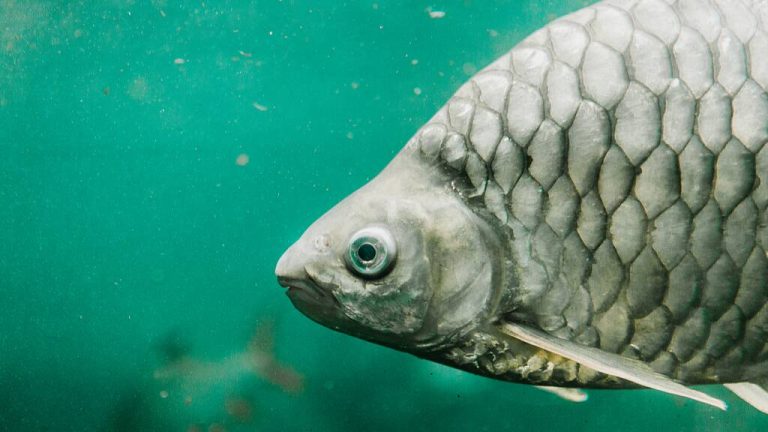
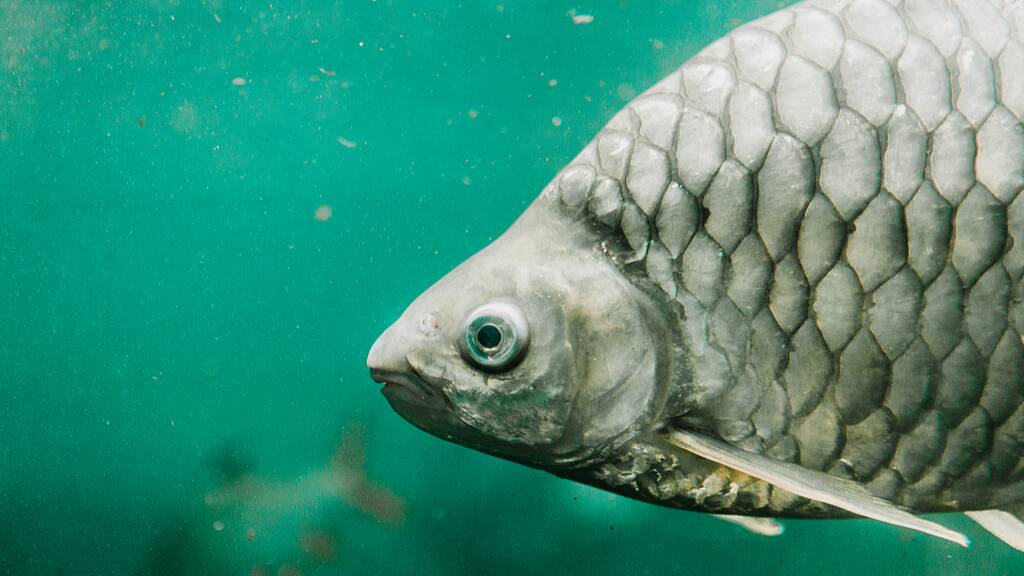
In a groundbreaking achievement, scientists in China have successfully created a new strain of gibel carp fish that is virtually free of intermuscular bones. This innovative breakthrough has the potential to revolutionize the way we consume fish, making it safer and easier to eat. The researchers at the Chinese Academy of Sciences used the powerful CRISPR gene-editing tool to disable a specific gene responsible for the development of these fine bones, while keeping the fish’s main skeleton intact.
The creation of ‘bone-free’ fish is a significant milestone in the field of aquaculture and genetics. Fish bones, particularly the small intermuscular bones, can be a major nuisance for consumers. Not only can they be a choking hazard, but they can also make the eating experience less enjoyable. The presence of these bones can also lead to injuries, such as punctured gums or throat, especially for children and the elderly. By eliminating these bones, the new strain of gibel carp fish offers a safer and more convenient alternative for consumers.
The CRISPR gene-editing technology has been instrumental in achieving this breakthrough. CRISPR, which stands for Clustered Regularly Interspaced Short Palindromic Repeats, is a powerful tool that allows scientists to edit genes with unprecedented precision. By targeting specific genes, researchers can disable or modify them to achieve desired outcomes. In this case, the scientists used CRISPR to disable the gene responsible for the development of intermuscular bones in the gibel carp fish.
The process of creating the ‘bone-free’ fish involved several stages. First, the researchers identified the gene responsible for the development of intermuscular bones in the gibel carp fish. They then used CRISPR to edit this gene, effectively disabling its function. The edited gene was then introduced into the fish’s genome, and the resulting offspring were analyzed for the presence of intermuscular bones. The results showed that the new strain of fish had significantly fewer intermuscular bones, making them virtually ‘bone-free’.
The implications of this breakthrough are significant. The creation of ‘bone-free’ fish could reduce the risk of choking and other injuries associated with fish consumption. It could also make fish more appealing to consumers, particularly those who are put off by the presence of bones. Additionally, the ‘bone-free’ fish could have a major impact on the aquaculture industry, which is a significant contributor to the global food supply.
The use of CRISPR gene-editing technology has also opened up new possibilities for the improvement of fish breeds. By targeting specific genes, scientists can introduce desirable traits, such as improved growth rates, disease resistance, and enhanced nutritional content. This could lead to the development of more sustainable and efficient aquaculture practices, which are essential for meeting the world’s growing demand for seafood.
However, the creation of ‘bone-free’ fish also raises some concerns. Some critics have expressed worries about the potential environmental impacts of genetically modified organisms (GMOs) on ecosystems. There are also concerns about the potential for GMOs to interbreed with wild species, potentially altering the genetic makeup of natural populations. These concerns highlight the need for careful regulation and monitoring of GMOs, as well as further research into their potential impacts on the environment.
In conclusion, the creation of ‘bone-free’ fish in China is a significant breakthrough that has the potential to revolutionize the way we consume fish. The use of CRISPR gene-editing technology has enabled scientists to disable the gene responsible for the development of intermuscular bones, making the fish safer and easier to eat. While there are some concerns about the potential impacts of GMOs, the benefits of this breakthrough are undeniable. As the world’s population continues to grow, innovative solutions like this will be essential for meeting the demand for sustainable and safe food sources.
News source: https://www.republicworld.com/science/boneless-fish-created-by-china-in-lab-after-years-of-research
About the Author