‘Bone-free’ fish created in China
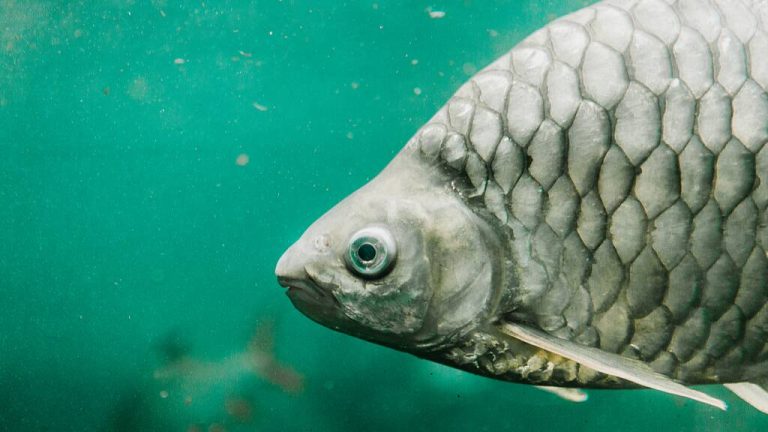
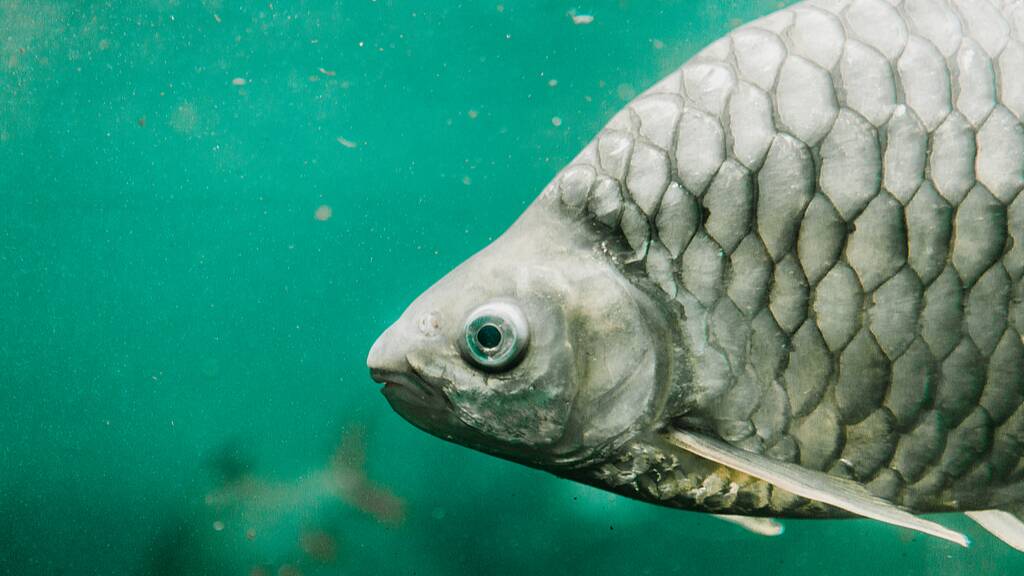
The world of aquaculture has witnessed a significant breakthrough with the creation of a new strain of gibel carp fish that is virtually free of intermuscular bones. This innovative achievement has been made possible by scientists at the Chinese Academy of Sciences, who have successfully utilized CRISPR gene-editing technology to disable a specific gene responsible for the development of these fine bones. The result is a fish that is not only safer to eat but also easier to consume, making it an exciting development for the food industry.
The gibel carp, a species of fish commonly consumed in China, has been the subject of extensive research in recent years. One of the primary concerns associated with eating this type of fish is the presence of intermuscular bones, which can pose a significant choking risk, particularly for young children and the elderly. These fine bones, also known as pin bones, are embedded in the flesh of the fish and can be difficult to remove, even with careful filleting.
To address this issue, scientists at the Chinese Academy of Sciences employed the CRISPR-Cas9 gene-editing tool to target the gene responsible for the development of intermuscular bones in the gibel carp. CRISPR, which stands for Clustered Regularly Interspaced Short Palindromic Repeats, is a revolutionary technology that allows researchers to edit genes with unprecedented precision. By introducing a small change to the gene, the scientists were able to disable its function, resulting in a significant reduction in the formation of intermuscular bones.
The breakthrough is significant not only because it makes the fish safer to eat but also because it demonstrates the potential of gene-editing technology to improve the quality and safety of food products. The use of CRISPR-Cas9 has opened up new avenues for the development of novel traits in crops and livestock, and its application in aquaculture is particularly promising.
One of the most impressive aspects of this achievement is that the scientists were able to disable the gene responsible for intermuscular bones while keeping the fish’s main skeleton intact. This is crucial, as the skeletal system of the fish is essential for its overall health and well-being. The fact that the researchers were able to target the specific gene responsible for intermuscular bones without affecting the rest of the skeleton is a testament to the precision and versatility of CRISPR technology.
The creation of ‘bone-free’ fish has far-reaching implications for the food industry, particularly in countries where fish is a staple component of the diet. In China, for example, fish is a major source of protein, and the development of a safer, easier-to-eat variety could have a significant impact on public health. The reduction in choking risks associated with intermuscular bones could also lead to a decrease in food-related accidents and injuries.
Furthermore, the use of gene-editing technology to improve the quality of fish could also have economic benefits. The global fish market is a significant industry, with millions of people relying on fish as a source of income. By developing novel traits that make fish safer and more appealing to consumers, scientists can help to increase demand and drive economic growth.
While the creation of ‘bone-free’ fish is a significant achievement, it is essential to acknowledge the potential challenges and limitations associated with this technology. Gene-editing is a complex and rapidly evolving field, and there are still many unknowns regarding the long-term effects of genetic modification on ecosystems and human health. As such, it is crucial to ensure that any new traits developed using CRISPR technology are thoroughly tested and regulated to prevent unintended consequences.
In conclusion, the creation of ‘bone-free’ fish in China is a groundbreaking achievement that demonstrates the potential of gene-editing technology to improve the quality and safety of food products. The use of CRISPR-Cas9 to disable the gene responsible for intermuscular bones in the gibel carp has resulted in a fish that is not only safer to eat but also easier to consume. As the world continues to grapple with the challenges of food security and sustainability, innovations like this one offer a promising glimpse into a future where science and technology can help to address some of our most pressing concerns.
News source: https://www.republicworld.com/science/boneless-fish-created-by-china-in-lab-after-years-of-research
About the Author