‘Bone-free’ fish created in China
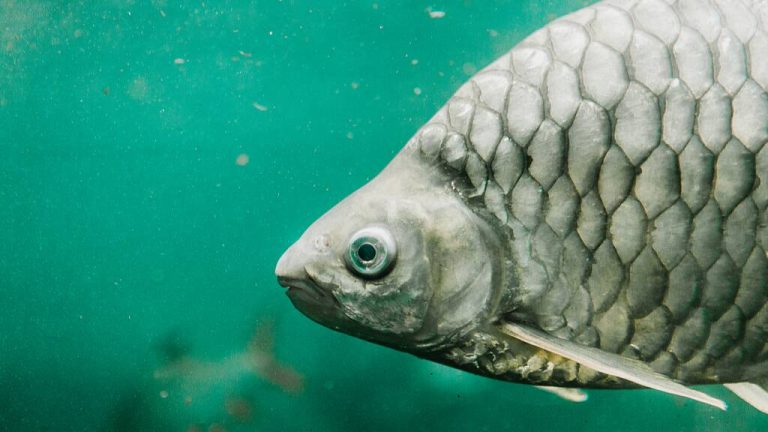
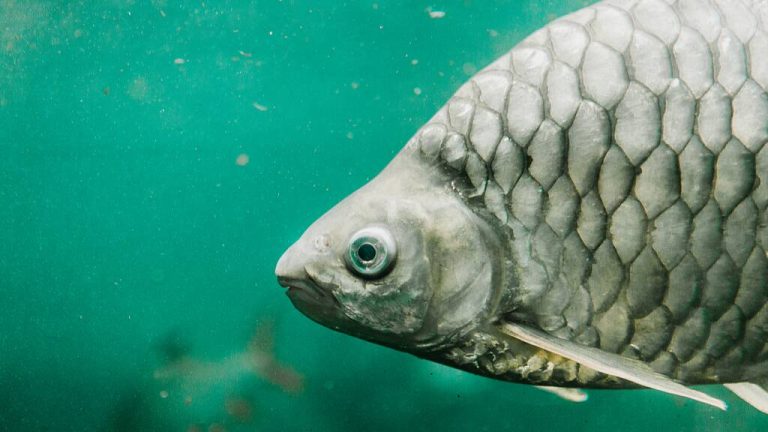
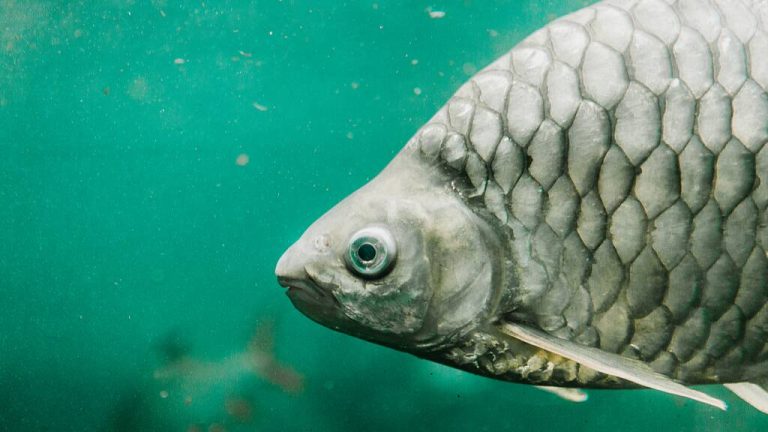
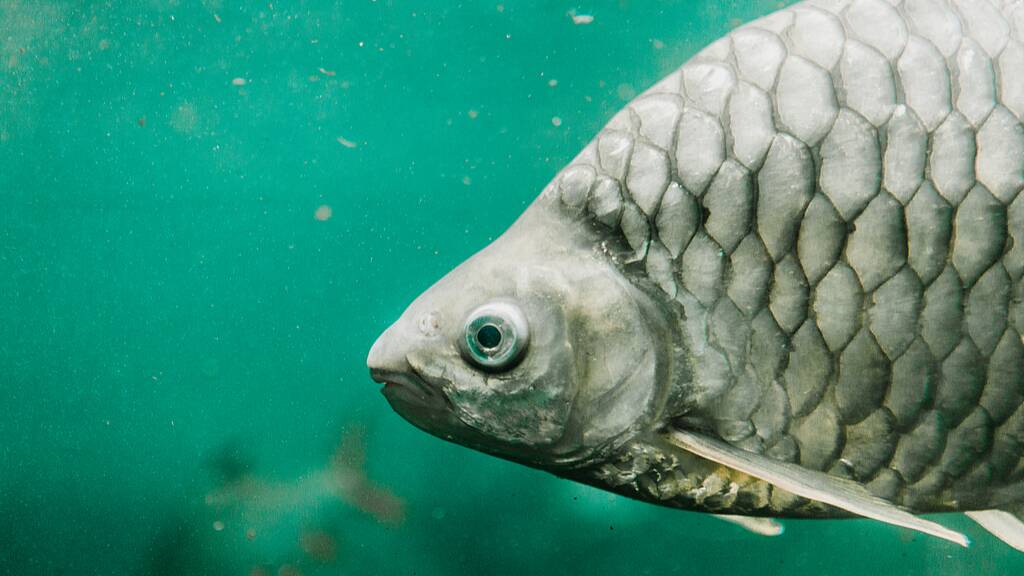
In a groundbreaking achievement, scientists in China have successfully created a new strain of gibel carp fish that is virtually free of intermuscular bones. This innovative breakthrough has the potential to revolutionize the way we consume fish, making it safer and easier to eat. The researchers at the Chinese Academy of Sciences utilized the powerful CRISPR gene-editing tool to disable a specific gene responsible for the development of these fine bones, while keeping the fish’s main skeleton intact.
The creation of ‘bone-free’ fish is a significant milestone in the field of aquaculture and genetic engineering. For years, scientists have been working to develop fish that are easier to eat and less prone to causing choking hazards. The presence of intermuscular bones, also known as pin bones, can be a major obstacle for consumers, particularly children and the elderly. These small bones can be difficult to remove and can pose a significant risk of choking.
The Chinese researchers used CRISPR, a precise and efficient gene-editing tool, to target the gene responsible for the development of intermuscular bones in gibel carp fish. By disabling this gene, the scientists were able to prevent the formation of these fine bones, while leaving the fish’s main skeleton intact. This means that the fish will still have a normal skeletal structure, but without the small bones that can be a nuisance for consumers.
The breakthrough has significant implications for the food industry, particularly in Asia where fish is a staple food. In China, for example, fish is a major source of protein, and the creation of ‘bone-free’ fish could lead to increased consumption and reduced food waste. The new strain of gibel carp fish is also expected to be more appealing to consumers, particularly in the hospitality and restaurant industries, where ease of preparation and presentation are crucial.
The use of CRISPR gene-editing technology in the creation of ‘bone-free’ fish is a testament to the power and versatility of this tool. CRISPR has revolutionized the field of genetic engineering, enabling scientists to make precise and efficient edits to an organism’s genome. The technology has been used in a wide range of applications, from crop improvement to disease modeling, and has shown tremendous promise in addressing some of the world’s most pressing challenges.
The creation of ‘bone-free’ fish is also a significant achievement in the field of aquaculture. Fish farming is a rapidly growing industry, with an increasing demand for sustainable and efficient methods of production. The development of new strains of fish that are easier to eat and less prone to disease could help to improve the efficiency and sustainability of fish farming, while also reducing the environmental impact of the industry.
In addition to the benefits for consumers and the food industry, the creation of ‘bone-free’ fish could also have significant economic implications. The global fish market is a multibillion-dollar industry, and the development of new strains of fish that are more appealing to consumers could lead to increased sales and revenue. The Chinese researchers behind the breakthrough are already exploring the commercial potential of their discovery, with plans to market the new strain of gibel carp fish to consumers in China and beyond.
While the creation of ‘bone-free’ fish is a significant achievement, there are still several challenges that need to be addressed before the new strain of fish can be widely adopted. One of the major concerns is the potential environmental impact of genetically modified fish. There is a risk that the new strain of fish could escape from farms and interbreed with wild fish, potentially disrupting the natural ecosystem. To mitigate this risk, the researchers will need to implement strict controls and monitoring systems to prevent the escape of genetically modified fish.
In conclusion, the creation of ‘bone-free’ fish in China is a groundbreaking achievement that has the potential to revolutionize the way we consume fish. The use of CRISPR gene-editing technology has enabled scientists to disable the gene responsible for intermuscular bones, while keeping the fish’s main skeleton intact. The breakthrough has significant implications for the food industry, aquaculture, and the environment, and could lead to increased consumption and reduced food waste. As the researchers continue to explore the commercial potential of their discovery, it will be exciting to see how this innovative technology is adopted and implemented in the years to come.
News Source: https://www.republicworld.com/science/boneless-fish-created-by-china-in-lab-after-years-of-research
About the Author