‘Bone-free’ fish created in China
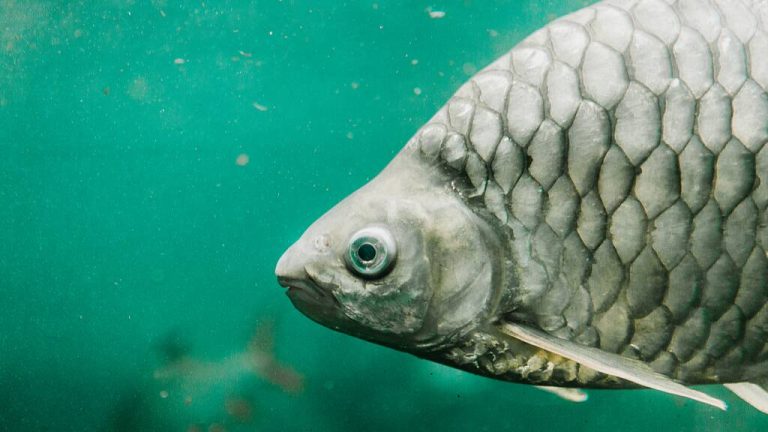
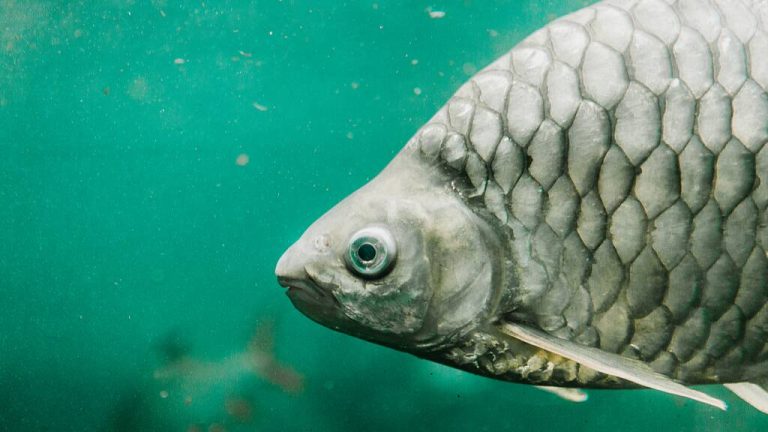
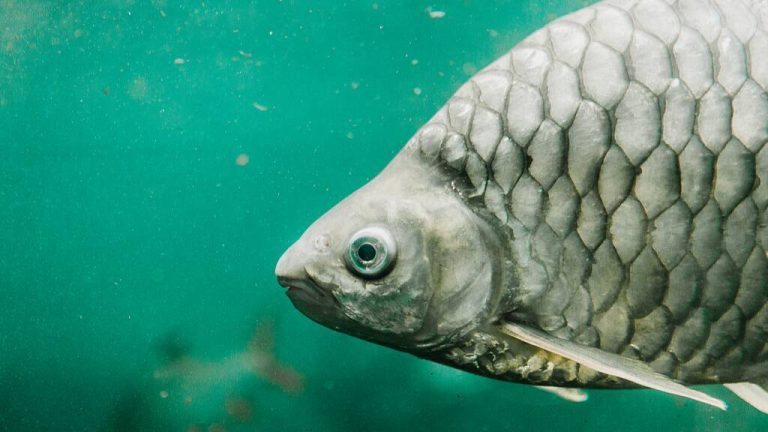
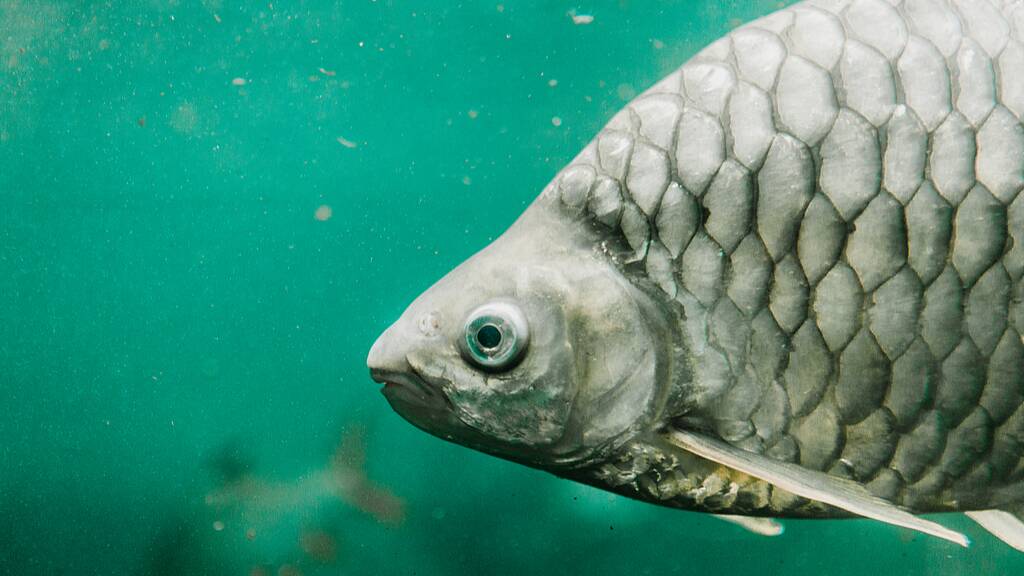
The world of aquaculture has just taken a significant leap forward, thanks to a groundbreaking discovery made by scientists in China. A team of researchers at the Chinese Academy of Sciences has successfully created a new strain of gibel carp fish that is virtually free of intermuscular bones, making it safer and easier to eat. This innovative breakthrough has the potential to revolutionize the way we consume fish, reducing the risk of choking and making it a more enjoyable experience for people of all ages.
The traditional gibel carp fish, a popular species in China, is known for its delicate flavor and firm texture. However, like many other types of fish, it contains intermuscular bones, also known as pin bones, which can be a nuisance to eat around and even pose a choking hazard, particularly for young children and the elderly. To address this issue, scientists turned to CRISPR gene-editing technology, a powerful tool that allows for precise modifications to an organism’s genetic code.
By using CRISPR, the researchers were able to disable a specific gene responsible for the development of intermuscular bones in the gibel carp fish. This gene, which plays a crucial role in the formation of the fish’s skeletal system, was targeted and edited to prevent the growth of these fine bones. The result is a fish that is almost completely bone-free, with only its main skeleton remaining intact.
The implications of this discovery are significant. For one, it could make fish a more accessible and enjoyable food option for people who struggle with bones. Moreover, it could also reduce the risk of choking, which is a major concern for parents and caregivers of young children. According to the American Academy of Pediatrics, choking is a leading cause of injury and death in children under the age of four, with food being a common culprit.
The creation of bone-free fish could also have economic benefits for the aquaculture industry. Fish farming is a significant sector in many countries, including China, where it provides a vital source of income for millions of people. By producing fish that are easier to eat and less likely to cause choking, farmers and distributors may be able to tap into new markets and increase demand for their products.
The use of CRISPR gene-editing technology in this breakthrough is a testament to the power and versatility of this tool. First discovered in 2012, CRISPR has rapidly become a game-changer in the field of genetics, allowing scientists to make precise modifications to an organism’s DNA with unprecedented ease and accuracy. Its applications are vast, ranging from basic research and biotechnology to medicine and agriculture.
In the case of the bone-free fish, CRISPR was used to introduce a small change to the fish’s genetic code, specifically targeting the gene responsible for intermuscular bone development. This change was then passed on to subsequent generations of fish, resulting in a new strain that is virtually bone-free.
While the creation of bone-free fish is a significant achievement, it is not without its challenges. For one, there are concerns about the potential environmental impact of genetically modified organisms (GMOs) on ecosystems. There is also the issue of regulation, as governments and international organizations grapple with how to oversee the development and deployment of GMOs.
Despite these challenges, the potential benefits of bone-free fish are undeniable. As the global population continues to grow, finding ways to produce food that is safe, sustainable, and accessible to all is becoming increasingly important. The creation of bone-free fish is a significant step in this direction, and it will be exciting to see how this technology develops in the years to come.
In conclusion, the creation of bone-free fish in China is a groundbreaking achievement that has the potential to revolutionize the way we consume fish. By using CRISPR gene-editing technology to disable a specific gene responsible for intermuscular bones, scientists have produced a new strain of gibel carp fish that is safer and easier to eat. As this technology continues to develop, it will be interesting to see how it is applied to other species and how it impacts the aquaculture industry as a whole.
News source: https://www.republicworld.com/science/boneless-fish-created-by-china-in-lab-after-years-of-research
About the Author