‘Bone-free’ fish created in China
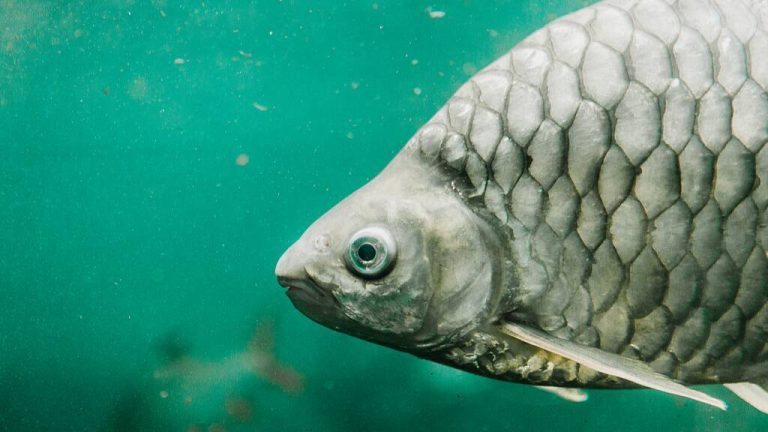
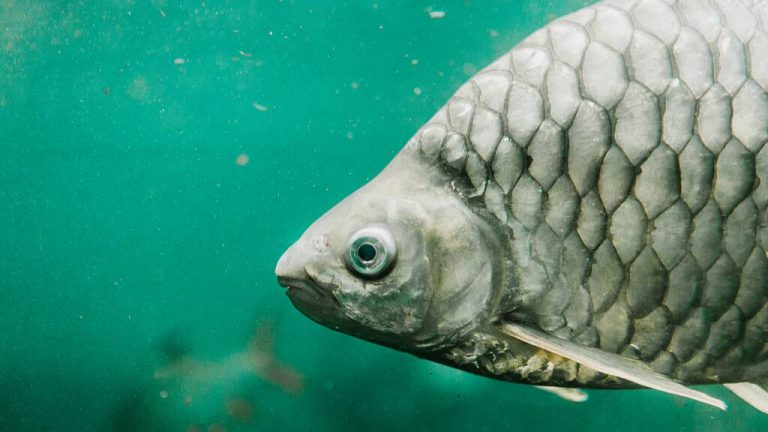
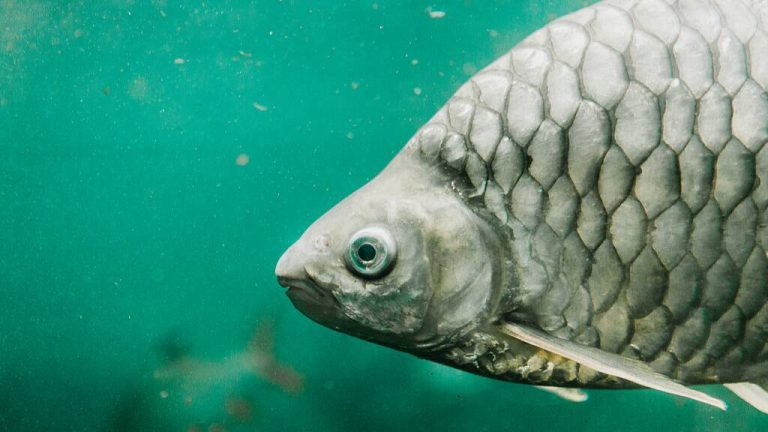
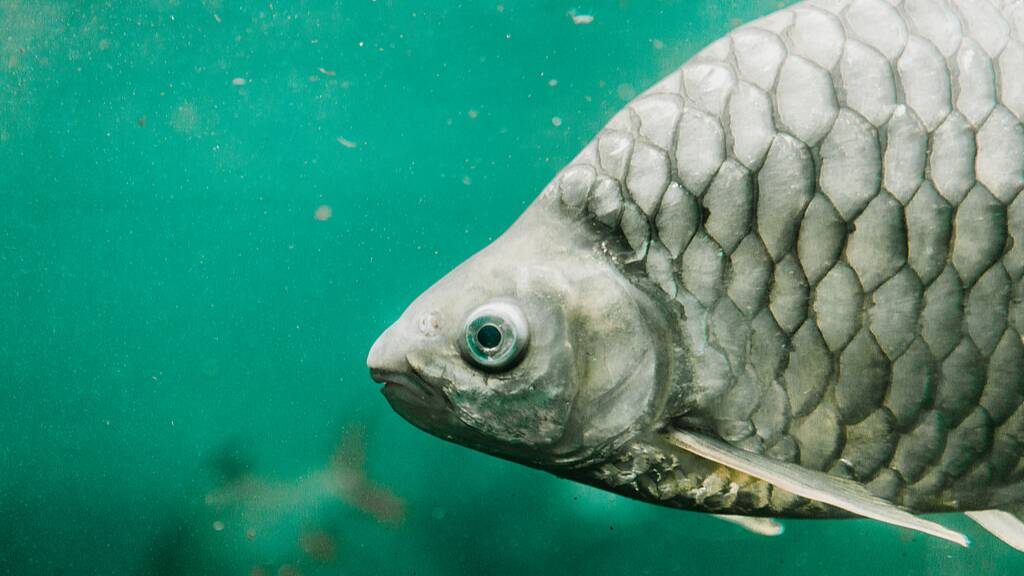
In a groundbreaking achievement, Chinese scientists have successfully created a new strain of gibel carp fish that is virtually free of intermuscular bones. This innovative breakthrough, made possible by the use of CRISPR gene-editing technology, has significant implications for the food industry and consumers alike. The development of ‘bone-free’ fish is expected to make eating fish safer and easier, reducing the risk of choking on fine bones.
The research, conducted by scientists at the Chinese Academy of Sciences, focused on disabling a specific gene responsible for the formation of intermuscular bones in fish. These fine bones, which are embedded in the flesh of the fish, can be a major hazard for consumers, particularly children and the elderly. By using CRISPR gene-editing, the scientists were able to selectively target and disable the gene responsible for these bones, while leaving the main skeleton of the fish intact.
The gibel carp, a species of fish commonly consumed in China, was chosen for this research due to its popularity and the fact that it is rich in intermuscular bones. The scientists used CRISPR-Cas9, a powerful gene-editing tool, to introduce a small change to the genome of the fish. This change disabled the gene responsible for the formation of intermuscular bones, resulting in a fish that is virtually bone-free.
The creation of ‘bone-free’ fish is a significant achievement, not only because of the potential benefits to consumers but also due to the technical challenges involved. Gene-editing is a complex and delicate process, requiring precise control over the genetic code of an organism. The fact that the scientists were able to successfully disable a specific gene while leaving the rest of the genome intact is a testament to the power and precision of CRISPR technology.
The benefits of ‘bone-free’ fish are numerous. For consumers, the most significant advantage is the reduced risk of choking on fine bones. This is particularly important for vulnerable populations, such as children and the elderly, who may have difficulty removing bones from their food. Additionally, ‘bone-free’ fish is expected to be easier to eat, making it a more appealing option for people who avoid fish due to the hassle of dealing with bones.
The development of ‘bone-free’ fish also has significant implications for the food industry. Fish processing companies may be able to simplify their production processes, reducing the need for manual bone removal and minimizing the risk of contamination. This could lead to cost savings and improved efficiency, making fish a more competitive and attractive protein option for consumers.
Furthermore, the creation of ‘bone-free’ fish could also have environmental benefits. Fish farming, a significant contributor to the global fish supply, can have negative environmental impacts, such as water pollution and habitat destruction. By reducing the need for manual bone removal and processing, ‘bone-free’ fish could help minimize waste and reduce the environmental footprint of the fish industry.
While the creation of ‘bone-free’ fish is a significant breakthrough, it is essential to consider the potential risks and challenges associated with gene-editing. Some critics have raised concerns about the long-term safety and efficacy of gene-edited organisms, as well as the potential for unintended consequences. However, the scientists involved in this research have emphasized that their goal is to improve food safety and quality, while minimizing the risk of adverse effects.
In conclusion, the creation of ‘bone-free’ fish in China is a groundbreaking achievement that has significant implications for the food industry and consumers. By using CRISPR gene-editing to disable a specific gene responsible for intermuscular bones, scientists have created a fish that is safer and easier to eat. This breakthrough could reduce choking risks, simplify fish processing, and minimize waste, making fish a more attractive and sustainable protein option for consumers. As the world continues to grapple with the challenges of food security and sustainability, innovations like ‘bone-free’ fish offer a promising glimpse into a future where technology and nature come together to create a better world for all.
News source: https://www.republicworld.com/science/boneless-fish-created-by-china-in-lab-after-years-of-research
About the Author