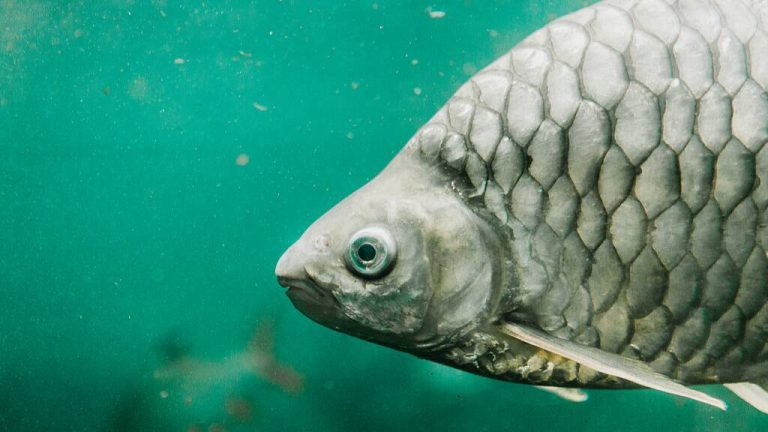
‘Bone-free’ fish created in China
In a groundbreaking achievement, Chinese scientists have successfully created a new strain of gibel carp fish that is virtually free of intermuscular bones. This innovative breakthrough has been made possible through the use of CRISPR gene-editing technology, which has enabled researchers to disable a specific gene responsible for the development of these fine bones. The implications of this discovery are significant, as it could revolutionize the way we consume fish and reduce the risk of choking hazards associated with eating fish with bones.
The research, conducted by scientists at the Chinese Academy of Sciences, has resulted in the creation of a fish that has a drastically reduced number of intermuscular bones, making it safer and easier to eat. The intermuscular bones, also known as pin bones, are a common feature of many fish species and can be a nuisance to eat around. They can also pose a choking hazard, particularly for young children and the elderly. By eliminating these bones, the Chinese scientists have created a fish that is not only more convenient to eat but also reduces the risk of choking.
The use of CRISPR gene-editing technology has been instrumental in achieving this breakthrough. CRISPR, which stands for Clustered Regularly Interspaced Short Palindromic Repeats, is a powerful tool that allows scientists to edit genes with unprecedented precision. By targeting the specific gene responsible for the development of intermuscular bones, the researchers were able to disable it, resulting in a fish with significantly fewer bones.
One of the most impressive aspects of this achievement is that the scientists were able to keep the fish’s main skeleton intact. This is crucial, as the skeleton provides the fish with its structure and support. By only targeting the gene responsible for the intermuscular bones, the researchers were able to preserve the fish’s overall skeletal system, ensuring that it remains healthy and viable.
The creation of ‘bone-free’ fish has significant implications for the food industry. Fish is a staple food in many parts of the world, and the removal of intermuscular bones could make it more appealing to a wider range of consumers. Additionally, the reduced risk of choking hazards could make fish a safer option for people of all ages. The breakthrough could also have economic benefits, as it could reduce the cost of processing and preparing fish for consumption.
The Chinese scientists’ achievement is also a testament to the power of genetic engineering. The use of CRISPR technology has opened up new possibilities for editing genes and creating new traits in organisms. This has significant implications for a range of fields, including agriculture, medicine, and biotechnology. As the technology continues to evolve, we can expect to see more innovative breakthroughs in the future.
While the creation of ‘bone-free’ fish is an exciting development, it also raises questions about the potential impact on the environment and human health. As with any genetically modified organism, there is a risk of unintended consequences, such as the transfer of genes to other species or the development of new allergies. However, the Chinese scientists have reportedly taken steps to mitigate these risks, and their research has been subject to rigorous testing and evaluation.
In conclusion, the creation of ‘bone-free’ fish in China is a significant breakthrough that has the potential to revolutionize the way we consume fish. The use of CRISPR gene-editing technology has enabled scientists to disable a specific gene responsible for the development of intermuscular bones, resulting in a fish that is safer and easier to eat. As the technology continues to evolve, we can expect to see more innovative breakthroughs in the future. The implications of this discovery are far-reaching, and it will be exciting to see how it unfolds in the years to come.
News Source: https://www.republicworld.com/science/boneless-fish-created-by-china-in-lab-after-years-of-research
About the Author