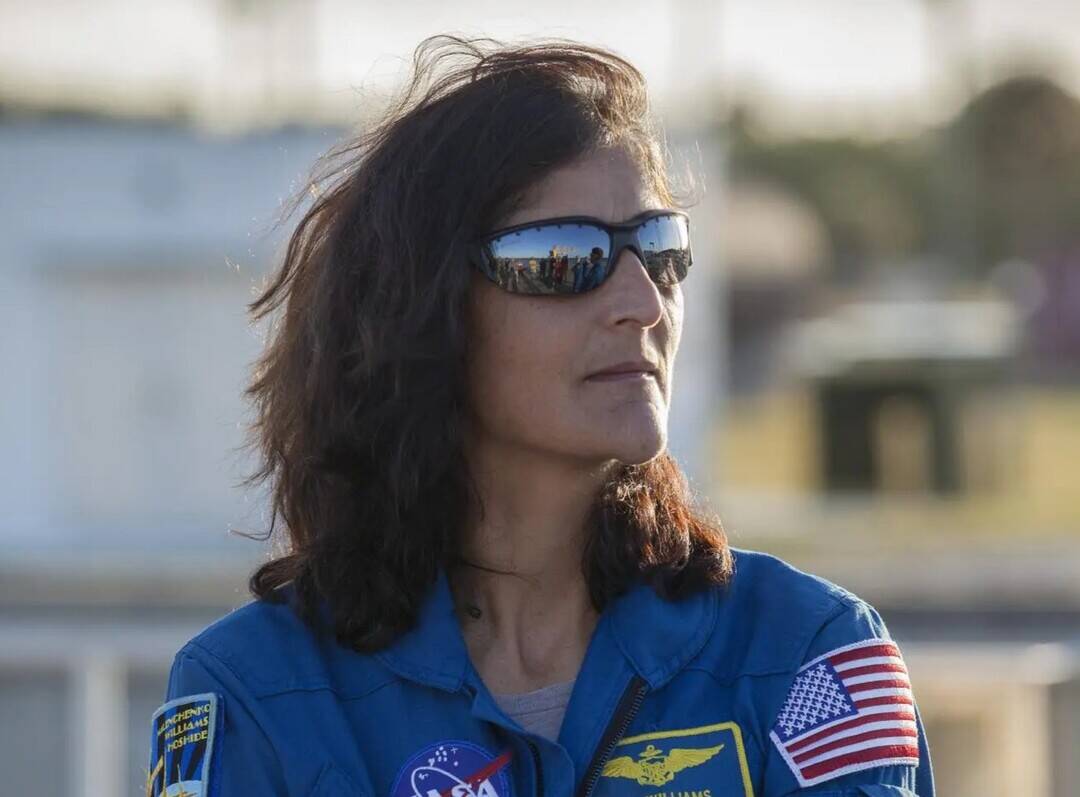
Astronaut Sunita Williams, who was stuck in space for 9 months, retires
NASA astronaut Sunita Williams has retired from the agency, effective December 27, 2025, after 27 years of service. This marks the end of an illustrious career for one of the most experienced astronauts in the history of space exploration. Williams completed three missions aboard the International Space Station and logged an impressive 608 days in space, a testament to her dedication and skill as an astronaut.
Williams’ career with NASA has been nothing short of remarkable. Born on September 19, 1965, in Euclid, Ohio, she graduated from the United States Naval Academy in 1987 and went on to become a naval aviator in the United States Navy. Her experience as a pilot and her passion for space exploration led her to join NASA’s astronaut program in 1998. Since then, she has been an integral part of the agency’s spaceflight operations, contributing to numerous missions and playing a crucial role in advancing our understanding of space.
One of the most notable aspects of Williams’ career is her experience on the International Space Station (ISS). She completed three missions aboard the ISS, spending a total of 322 days on the station during her first mission, Expedition 14/15, in 2006-2007. Her second mission, Expedition 32/33, took place in 2012, where she spent 125 days on the station. Her most recent mission, which began in 2024, was cut short due to propulsion issues with the Boeing Starliner spacecraft. However, despite the challenges she faced, Williams demonstrated remarkable resilience and adaptability, spending nine months in space alongside astronaut Butch Wilmore.
The incident that led to Williams and Wilmore being stuck in space for nine months was a significant setback for NASA and the Boeing Starliner program. The spacecraft, which was designed to carry astronauts to and from the ISS, suffered propulsion issues during a mission in 2024, leaving Williams and Wilmore stranded in space. The incident highlighted the risks and challenges associated with space travel and the importance of having experienced and skilled astronauts like Williams on board.
Despite the challenges she faced, Williams remained committed to her mission and continued to work tirelessly to advance our understanding of space. Her experience on the ISS has provided valuable insights into the effects of long-term spaceflight on the human body, and her contributions to the field of space exploration have been invaluable.
Williams’ retirement marks the end of an era for NASA, but her legacy will continue to inspire future generations of astronauts and space enthusiasts. Her dedication, skill, and passion for space exploration have made her a role model for women and girls around the world, demonstrating that with hard work and determination, anything is possible.
As we look to the future of space exploration, it is clear that astronauts like Sunita Williams will play a crucial role in shaping the course of human spaceflight. With NASA’s Artemis program aimed at returning humans to the Moon by 2025 and establishing a sustainable presence on the lunar surface, the agency will rely on experienced astronauts like Williams to lead the way.
In conclusion, Sunita Williams’ retirement is a bittersweet moment for NASA and the space community. While we celebrate her remarkable career and achievements, we also acknowledge the end of an era. Williams’ contributions to space exploration have been invaluable, and her legacy will continue to inspire future generations of astronauts and space enthusiasts.
As we look to the future of space exploration, we are reminded of the importance of experienced and skilled astronauts like Sunita Williams. Her dedication, passion, and commitment to advancing our understanding of space have made her a true pioneer in the field. We wish her all the best in her future endeavors and thank her for her service to NASA and the space community.
About the Author