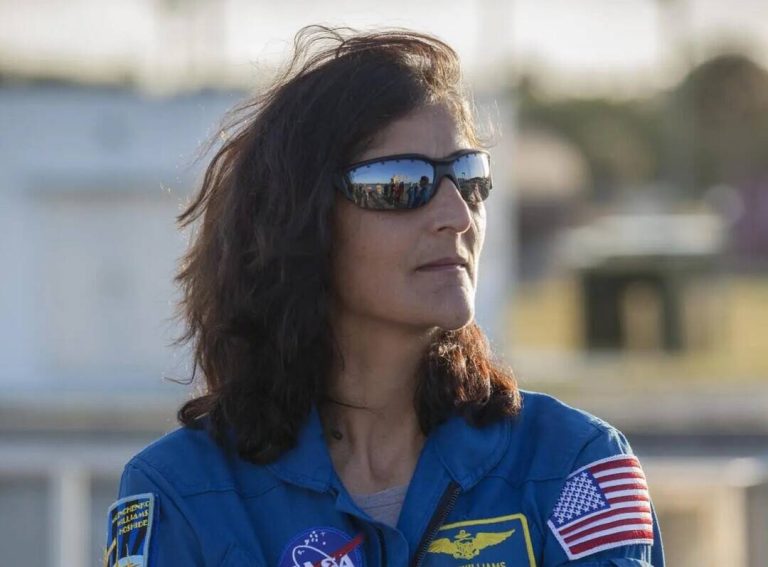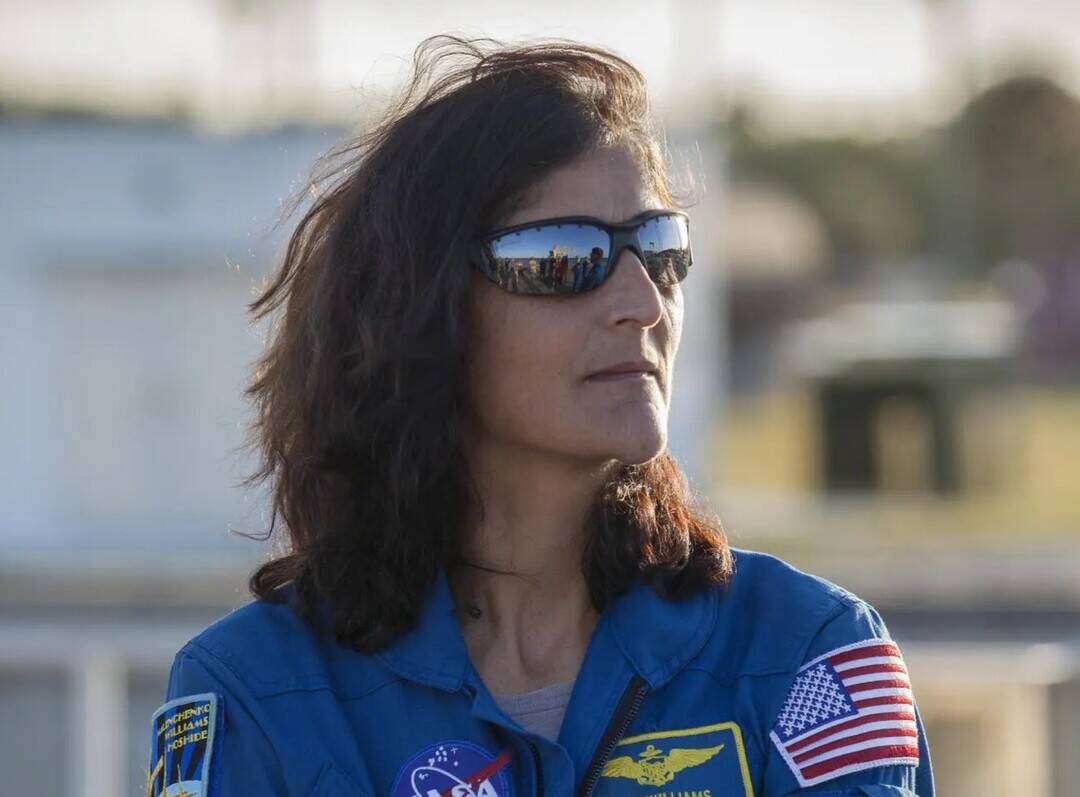
Astronaut Sunita Williams, who was stuck in space for 9 months, retires
After an illustrious career spanning 27 years, NASA astronaut Sunita Williams has announced her retirement from the agency, effective December 27, 2025. Williams’ remarkable journey in space exploration has been nothing short of extraordinary, with three missions aboard the International Space Station and a staggering 608 days spent in space. Her dedication, perseverance, and passion for space travel have made her an inspiration to millions around the world.
Born on September 19, 1965, in Euclid, Ohio, Williams grew up with a fascination for science and mathematics. She earned a bachelor’s degree in physical science from the United States Naval Academy in 1987 and later received a master’s degree in engineering management from Florida Institute of Technology in 1995. Williams’ impressive educational background and her experience as a naval aviator paved the way for her selection as a NASA astronaut candidate in 1998.
Williams’ first mission to space was in 2006, when she flew aboard the Space Shuttle Discovery as part of the STS-116 crew. She spent 195 days on the International Space Station, conducting scientific experiments and performing spacewalks. Her second mission, which launched in 2012, was aboard the Russian spacecraft Soyuz TMA-05M. During this mission, Williams spent 127 days on the space station, serving as the commander of the Expedition 33 crew.
However, it was her third and final mission that proved to be the most challenging. In 2024, Williams, along with astronaut Butch Wilmore, embarked on a mission aboard the Boeing Starliner spacecraft. Unfortunately, the spacecraft suffered propulsion issues, leaving the two astronauts stuck in space for nine long months. The incident highlighted the risks and uncertainties associated with space travel, but Williams and Wilmore’s bravery and resilience in the face of adversity earned them widespread admiration.
Despite the challenges they faced, Williams and Wilmore continued to conduct scientific experiments and perform maintenance tasks on the space station. Their extended stay in space also provided a unique opportunity for scientists to study the effects of long-duration spaceflight on the human body. The data collected during their mission will be invaluable in helping NASA plan for future deep space missions, including those to the Moon and Mars.
Williams’ retirement marks the end of an era in space exploration. Her contributions to the field have been immense, and her legacy will continue to inspire future generations of astronauts and scientists. As NASA looks to the future, with plans to return humans to the Moon by 2025 and establish a sustainable presence on the lunar surface, Williams’ experience and expertise will be deeply missed.
In a statement, NASA Administrator Bill Nelson praised Williams’ dedication and service, saying, “Sunita Williams is a true pioneer and a role model for women and girls around the world. Her passion for space exploration and her commitment to advancing our understanding of the universe have been an inspiration to us all.”
As Williams begins her new journey in retirement, she leaves behind a legacy that will be remembered for generations to come. Her courage, determination, and passion for space travel have made her a hero to millions, and her contributions to the field of space exploration will continue to shape the future of human spaceflight.
In conclusion, Sunita Williams’ retirement marks the end of an incredible chapter in the history of space exploration. Her remarkable career, which spanned 27 years, has been an inspiration to millions around the world. As we look to the future, we are reminded of the power of human ingenuity, perseverance, and passion, and we are grateful for the contributions of astronauts like Sunita Williams, who have paved the way for us to reach for the stars.
About the Author