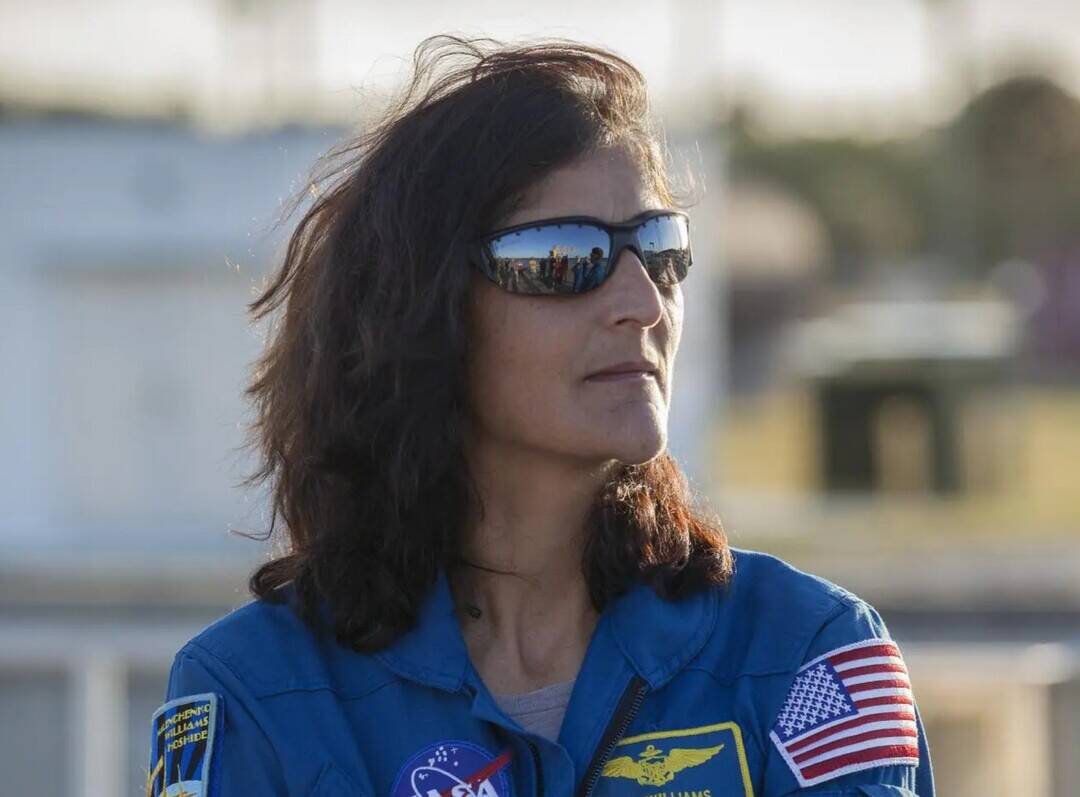
Astronaut Sunita Williams, who was stuck in space for 9 months, retires
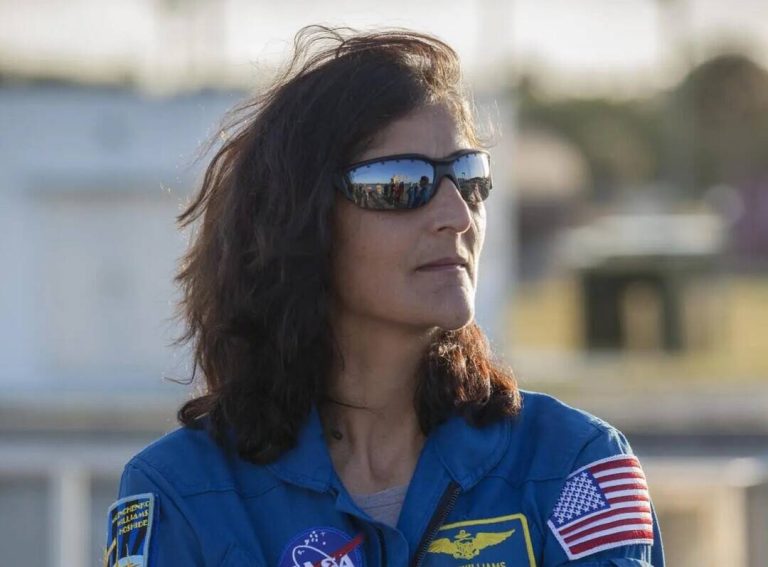
NASA astronaut Sunita Williams has retired from the agency, effective December 27, 2025, after 27 years of service. Williams completed three missions aboard the International Space Station and logged 608 days in space, making her one of the most experienced astronauts in NASA’s history. Her illustrious career was marked by numerous achievements, including a record-breaking 195-day stay in space in 2006-2007, and a remarkable nine-month stint in space in 2024-2025, which was extended due to unforeseen circumstances.
Williams, along with astronaut Butch Wilmore, was stuck in space for nine months in 2024-2025 after their Boeing Starliner spacecraft suffered propulsion issues. The spacecraft, which was designed to carry astronauts to and from the International Space Station, experienced a malfunction that made it impossible for the crew to return to Earth as scheduled. Despite the challenges they faced, Williams and Wilmore remained calm and professional, continuing to conduct scientific experiments and maintain the space station’s systems until a rescue mission could be arranged.
Throughout her career, Williams has been an inspiration to countless people around the world, particularly young girls and women who are interested in pursuing careers in science, technology, engineering, and mathematics (STEM). Her dedication, perseverance, and passion for space exploration have made her a role model, and her legacy will continue to inspire future generations of astronauts and scientists.
Williams’ first mission to the International Space Station was in 2006-2007, when she spent 195 days in space, setting a new record for the longest single spaceflight by a woman at the time. During her mission, she performed four spacewalks, also known as EVAs (extravehicular activities), and helped to maintain the space station’s systems, including its life support systems, power generation, and communication equipment.
In 2012-2013, Williams returned to the International Space Station for her second mission, which lasted for 125 days. During this mission, she served as the commander of the space station’s Expedition 33 crew, overseeing the daily operations of the space station and coordinating the activities of the crew. She also performed a series of scientific experiments, including a study on the effects of microgravity on the human body.
Williams’ third and final mission to the International Space Station was in 2024-2025, when she spent 328 days in space, including the nine months she was stuck in space due to the Boeing Starliner spacecraft’s propulsion issues. Despite the challenges she faced, Williams remained committed to her mission, continuing to conduct scientific experiments and maintain the space station’s systems until a rescue mission could be arranged.
Throughout her career, Williams has been recognized for her achievements with numerous awards and honors, including the NASA Distinguished Service Medal, the NASA Exceptional Service Medal, and the Russian Federation’s Medal for Merit in Space Exploration. She has also been inducted into the National Women’s Hall of Fame and the U.S. Astronaut Hall of Fame.
As Williams retires from NASA, she leaves behind a legacy of dedication, perseverance, and excellence. Her contributions to the field of space exploration have been invaluable, and her inspiration to future generations of astronauts and scientists will be felt for years to come. As we look to the future of space exploration, we can draw inspiration from Williams’ remarkable career and the lessons she has taught us about the importance of hard work, determination, and teamwork.
In conclusion, Sunita Williams’ retirement marks the end of an era in NASA’s history, but her legacy will continue to inspire and motivate future generations of astronauts and scientists. Her remarkable career, which spanned 27 years and included three missions to the International Space Station, has left an indelible mark on the field of space exploration. As we look to the future, we can draw inspiration from Williams’ dedication, perseverance, and passion for space exploration, and we can continue to push the boundaries of what is possible in space.
About the Author