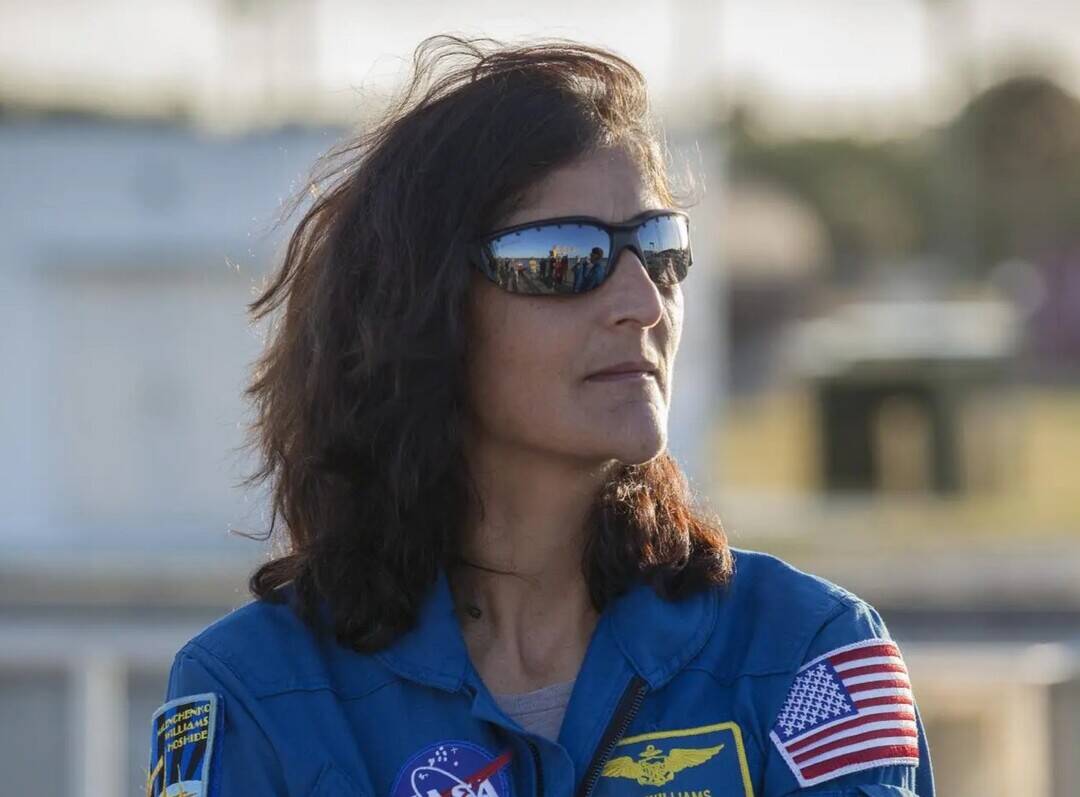
Astronaut Sunita Williams, who was stuck in space for 9 months, retires
NASA astronaut Sunita Williams has announced her retirement from the agency, effective December 27, 2025, after an illustrious 27-year career. Williams is one of the most experienced astronauts in NASA’s history, having completed three missions aboard the International Space Station and logging an impressive 608 days in space. Her remarkable career has been marked by numerous achievements, including a record-breaking stay in space and a harrowing experience of being stuck in space for nine months.
Williams’ journey as an astronaut began in 1998 when she was selected by NASA as a candidate for the astronaut program. She underwent rigorous training, which prepared her for the challenges of space travel. Her first mission to space was in 2006, when she flew to the International Space Station aboard the Space Shuttle Discovery. During her 195-day stay on the station, Williams performed multiple spacewalks and conducted scientific experiments.
In 2012, Williams returned to the International Space Station, this time aboard the Russian Soyuz spacecraft. She spent 127 days on the station, serving as the commander of the Expedition 33 crew. Her leadership and expertise were instrumental in ensuring the success of the mission.
However, it was her third mission to the International Space Station that proved to be the most challenging. In 2024, Williams, along with astronaut Butch Wilmore, launched aboard the Boeing Starliner spacecraft. The mission was expected to last for several months, but it took an unexpected turn when the spacecraft suffered propulsion issues. The astronauts were forced to extend their stay in space, and they eventually spent nine months on the station.
The experience of being stuck in space for such a long period was undoubtedly grueling, both physically and mentally. Williams and Wilmore had to adapt to a new routine, with limited communication with their loved ones back on Earth. They also had to contend with the psychological effects of isolation, which can be debilitating in space. Despite these challenges, Williams and her crewmate demonstrated remarkable resilience and dedication to their mission.
Throughout her career, Williams has been an inspiration to millions of people around the world. Her achievements have paved the way for future generations of astronauts, particularly women, who aspire to explore space. Her dedication to the field of space exploration has been recognized with numerous awards, including the NASA Distinguished Service Medal.
As Williams retires from NASA, she leaves behind a legacy of excellence and a remarkable record of achievement. Her contributions to the field of space exploration will be remembered for years to come, and her experience will continue to inspire and motivate future astronauts.
In a statement, NASA praised Williams’ exceptional career, saying, “Sunita Williams is an outstanding astronaut who has dedicated her career to advancing our understanding of space. Her remarkable achievements and her dedication to the mission of NASA have made her a role model for astronauts around the world.”
As the space agency looks to the future, it will undoubtedly draw on the experience and expertise of astronauts like Williams. With plans to return humans to the Moon and eventually send them to Mars, NASA will need talented and dedicated individuals like Williams to lead the way.
In conclusion, Sunita Williams’ retirement marks the end of an era in space exploration. Her remarkable career has been an inspiration to millions, and her achievements will be remembered for generations to come. As we look to the future of space travel, we can only hope that future astronauts will follow in Williams’ footsteps and continue to push the boundaries of human exploration.
About the Author