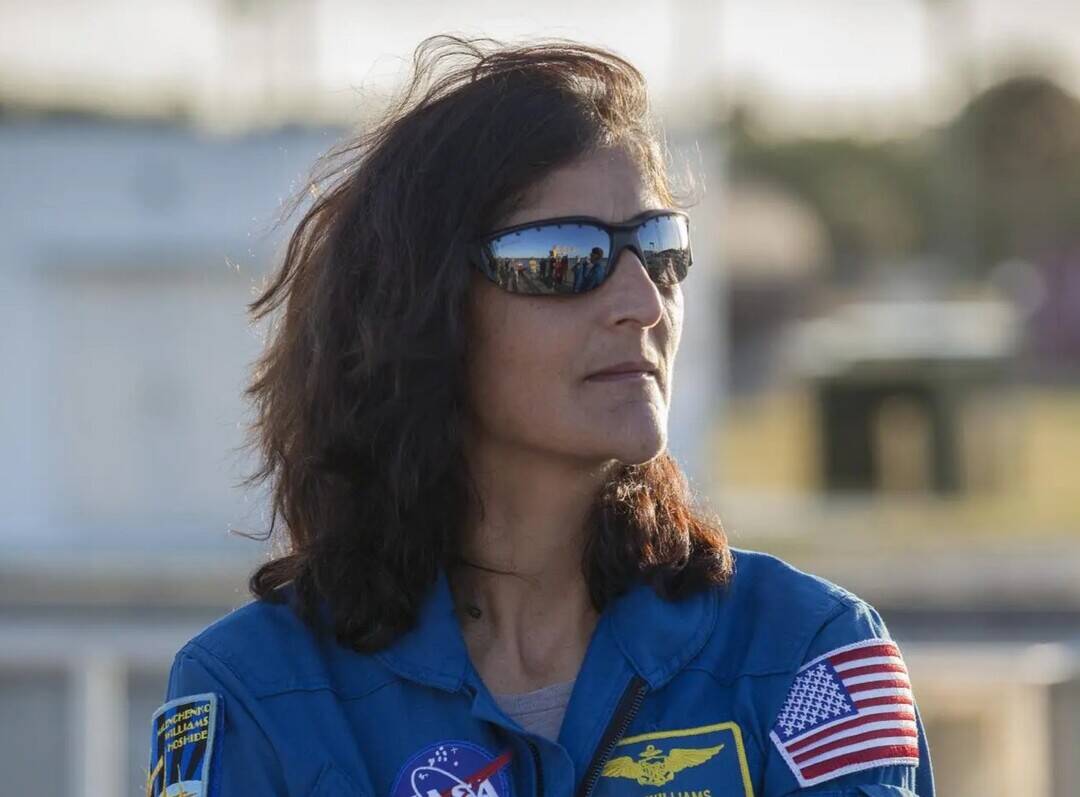
Astronaut Sunita Williams, who was stuck in space for 9 months, retires
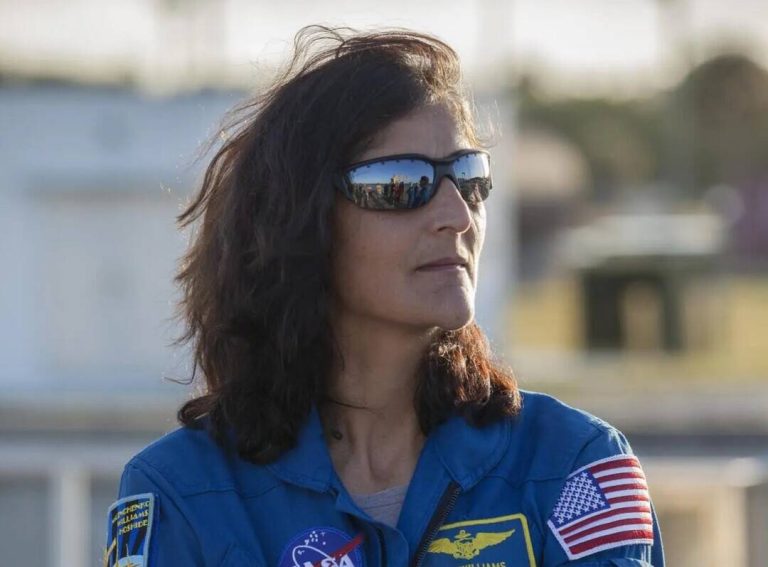
After an illustrious career spanning 27 years, NASA astronaut Sunita Williams has retired from the agency, effective December 27, 2025. Williams, a veteran of three missions aboard the International Space Station, has accumulated an impressive 608 days in space, making her one of the most experienced astronauts in the history of space exploration.
Born on September 19, 1965, in Euclid, Ohio, Williams grew up with a passion for adventure and a fascination with the night sky. She earned a bachelor’s degree in physical science from the United States Naval Academy in 1987 and was commissioned as an officer in the United States Navy. Williams’ distinguished naval career included serving as a test pilot and accumulating over 3,000 flight hours in more than 30 different aircraft.
In 1998, Williams was selected by NASA as a candidate for the astronaut program, marking the beginning of an extraordinary journey that would take her to the farthest reaches of our planet. Over the course of her career, Williams completed three missions aboard the International Space Station (ISS), each one presenting unique challenges and opportunities for scientific discovery.
Williams’ first mission to the ISS, Expedition 14, launched in 2006 and lasted for six months. During this time, she performed four spacewalks, setting a record for the most spacewalks conducted by a female astronaut. Her second mission, Expedition 32/33, took place in 2012 and saw Williams serve as the commander of the ISS, a testament to her exceptional leadership skills and expertise.
However, it was Williams’ third and final mission that proved to be the most daunting. In 2024, Williams, along with astronaut Butch Wilmore, embarked on a mission aboard the Boeing Starliner spacecraft. Tragically, the spacecraft suffered propulsion issues, leaving the two astronauts stranded in space for nine long months. The incident marked one of the most significant challenges faced by NASA in recent years, and the agency’s response to the crisis was widely praised.
Despite the hardships she faced during her final mission, Williams remained committed to her work, continuing to conduct vital scientific research and contributing to our understanding of the effects of long-term spaceflight on the human body. Her bravery and dedication in the face of adversity serve as an inspiration to aspiring astronauts and scientists around the world.
Throughout her career, Williams has been recognized with numerous awards and honors, including the NASA Distinguished Service Medal, the NASA Space Flight Medal, and the Congressional Space Medal of Honor. Her contributions to the field of space exploration have been invaluable, and her legacy will continue to inspire future generations of astronauts and scientists.
As Williams retires from NASA, she leaves behind a remarkable legacy of service, dedication, and achievement. Her 608 days in space, accumulated over the course of three missions, are a testament to her extraordinary skills and endurance as an astronaut. As she begins a new chapter in her life, Williams will undoubtedly remain a role model and inspiration to countless individuals around the world.
In a statement, NASA Administrator Bill Nelson praised Williams’ outstanding career, saying, “Sunita Williams is a true pioneer and a shining example of the dedication and expertise that defines our astronaut corps. Her contributions to the success of the International Space Station and the advancement of scientific knowledge will be remembered for generations to come.”
As we bid farewell to this remarkable astronaut, we honor her achievements and celebrate her unwavering commitment to the pursuit of excellence. Sunita Williams’ retirement marks the end of an era, but her legacy will continue to inspire and motivate future explorers of the cosmos.
About the Author