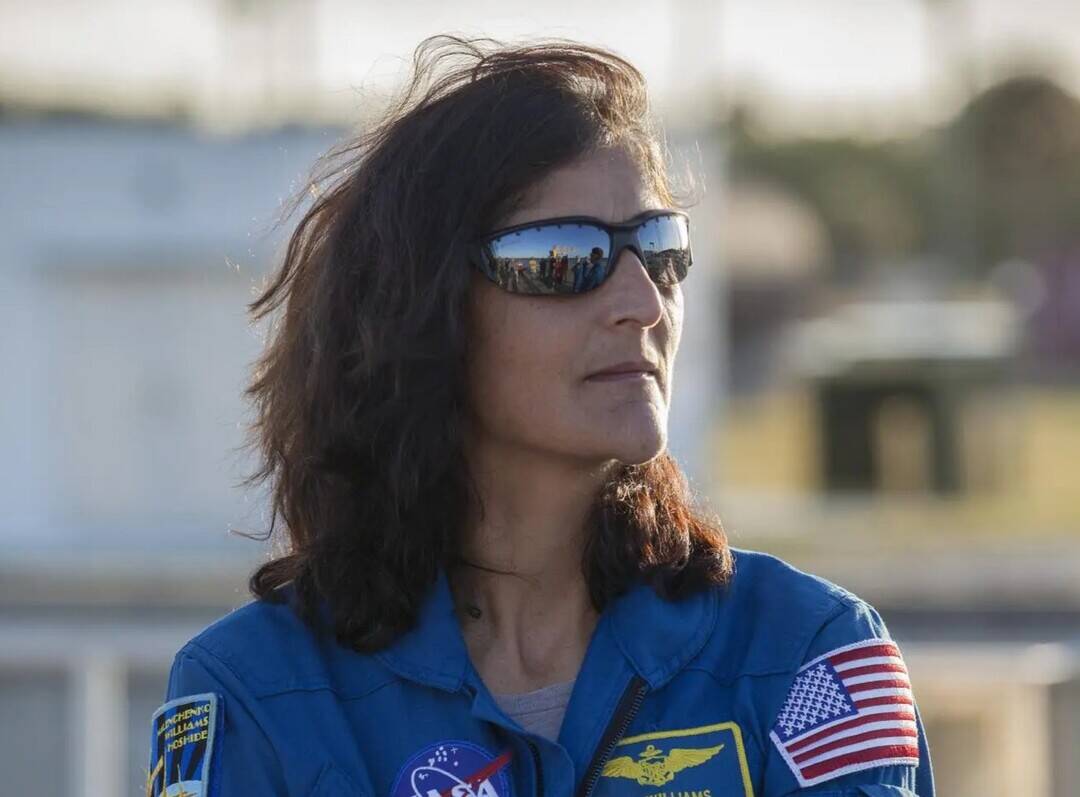
Astronaut Sunita Williams, who was stuck in space for 9 months, retires
NASA astronaut Sunita Williams has retired from the agency, effective December 27, 2025, after 27 years of service. This announcement marks the end of an illustrious career for one of the most accomplished astronauts in NASA’s history. Williams’ dedication and perseverance have inspired countless individuals around the world, and her contributions to the field of space exploration will be remembered for generations to come.
Throughout her remarkable career, Williams has completed three missions aboard the International Space Station (ISS), logging a total of 608 days in space. This impressive feat makes her one of the astronauts with the most cumulative time spent in space. Her extensive experience and expertise have been invaluable to NASA, and her contributions to the agency’s mission have been instrumental in advancing our understanding of space and the effects of long-term spaceflight on the human body.
One of the most notable aspects of Williams’ career is her remarkable resilience and adaptability. In 2024-2025, Williams, along with astronaut Butch Wilmore, was stuck in space for nine months after their Boeing Starliner spacecraft suffered propulsion issues. This unexpected turn of events presented a significant challenge for the astronauts, who had to rely on their training, experience, and teamwork to overcome the difficulties they faced.
Despite the initial concerns and uncertainties surrounding their situation, Williams and Wilmore demonstrated extraordinary composure and professionalism, working closely with mission control to troubleshoot the issues and develop a plan to ensure their safe return to Earth. Their remarkable calm and dedication to their duties served as a testament to the rigorous training and preparation that astronauts undergo, and their ability to perform under pressure in the most challenging environments.
Williams’ experience during this prolonged stay in space also provided valuable insights into the effects of long-term spaceflight on the human body. The data collected during this period has been instrumental in helping scientists and researchers better understand the physical and mental challenges associated with extended space travel, and has contributed significantly to the development of strategies to mitigate these effects.
Throughout her career, Williams has been an inspiration to countless individuals, particularly women and girls, who have been motivated by her achievements and determination. Her passion for space exploration and her commitment to inspiring the next generation of scientists, engineers, and astronauts have made her a role model and a symbol of hope for many.
As Williams retires from NASA, she leaves behind a legacy of dedication, perseverance, and achievement. Her contributions to the agency and to the field of space exploration have been immeasurable, and her impact will be felt for years to come. As we look to the future of space travel and exploration, Williams’ experience and expertise will continue to serve as a guiding force, inspiring and motivating new generations of astronauts, scientists, and engineers to push the boundaries of what is possible.
In conclusion, Sunita Williams’ retirement marks the end of an era, but her legacy will live on. Her remarkable career, marked by dedication, perseverance, and achievement, has inspired countless individuals around the world, and her contributions to the field of space exploration will continue to shape the future of space travel and discovery. As we bid farewell to this extraordinary astronaut, we honor her remarkable achievements and look forward to the next chapter in the journey of space exploration.
About the Author