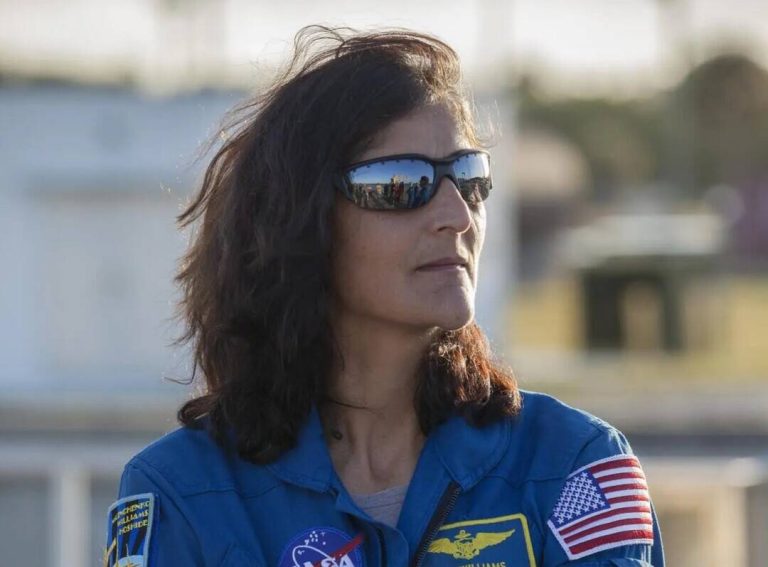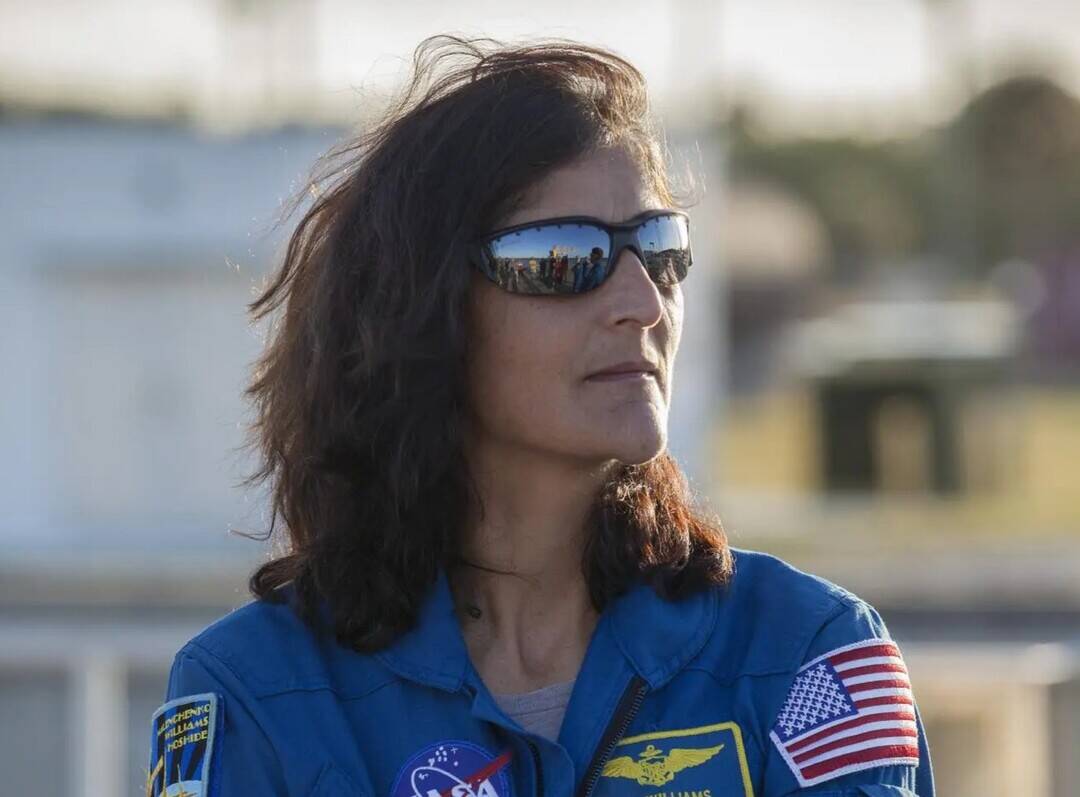
Astronaut Sunita Williams, who was stuck in space for 9 months, retires
NASA astronaut Sunita Williams has retired from the agency, effective December 27, 2025, after 27 years of service. Williams completed three missions aboard the International Space Station and logged 608 days in space. Her remarkable career has been marked by numerous achievements, including being one of the most experienced space travelers in the world.
Williams’ journey to space began in 1998 when she was selected as an astronaut candidate by NASA. She underwent rigorous training, which prepared her for the challenges of space travel. Her first mission to space was in 2006, when she spent 195 days aboard the International Space Station as a member of the Expedition 14 crew. During this mission, she performed four spacewalks, totaling over 29 hours outside the station.
In 2012, Williams returned to the International Space Station as a member of the Expedition 32 crew. She spent 126 days in space, during which she served as the commander of the station. This mission was marked by several notable events, including the arrival of the first commercial cargo ship, the SpaceX Dragon, at the station.
Williams’ most recent mission to space was in 2022, when she spent 287 days aboard the International Space Station as a member of the Expedition 68 crew. However, her journey back to Earth was not without incident. Along with astronaut Butch Wilmore, Williams was stuck in space for nine months in 2024-2025 after their Boeing Starliner spacecraft suffered propulsion issues. The incident highlighted the risks and challenges associated with space travel and the importance of having backup systems in place.
Despite the challenges she faced, Williams has always been passionate about space exploration and has been an inspiration to many. Her dedication to her work and her commitment to advancing our understanding of space have made her a role model for aspiring astronauts around the world.
Throughout her career, Williams has received numerous awards and honors for her contributions to space exploration. She has been awarded the NASA Distinguished Service Medal, the NASA Space Flight Medal, and the Russian Federation Medal for Merit in Space Exploration, among others.
Williams’ retirement marks the end of an era in space exploration. Her experience and expertise will be deeply missed by the NASA community, and her legacy will continue to inspire future generations of astronauts and space enthusiasts. As we look to the future of space exploration, we can draw on the lessons learned from Williams’ remarkable career and the countless contributions she has made to our understanding of space.
In a statement, NASA Administrator Bill Nelson praised Williams for her dedication and service to the agency. “Sunita Williams is a true pioneer in space exploration,” he said. “Her contributions to our understanding of space have been invaluable, and her legacy will continue to inspire future generations of astronauts and space enthusiasts.”
As we bid farewell to Williams’ remarkable career, we can’t help but wonder what the future of space exploration holds. With NASA’s Artemis program aimed at returning humans to the Moon by 2025 and establishing a sustainable presence on the lunar surface, the next generation of astronauts will have the opportunity to build on the foundation laid by Williams and her colleagues.
In conclusion, Sunita Williams’ retirement marks the end of an era in space exploration, but her legacy will continue to inspire and motivate future generations of astronauts and space enthusiasts. Her remarkable career has been marked by numerous achievements, and her contributions to our understanding of space have been invaluable. As we look to the future of space exploration, we can draw on the lessons learned from Williams’ career and the countless contributions she has made to our understanding of space.
About the Author