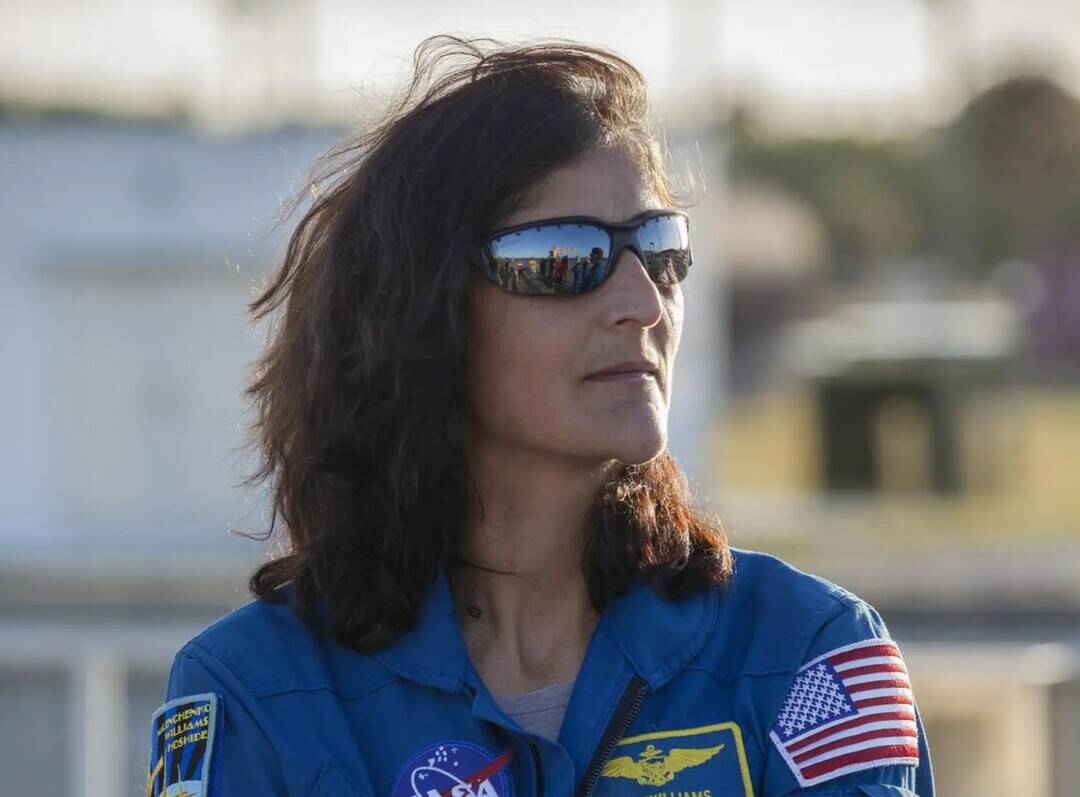
Astronaut Sunita Williams, who was stuck in space for 9 months, retires
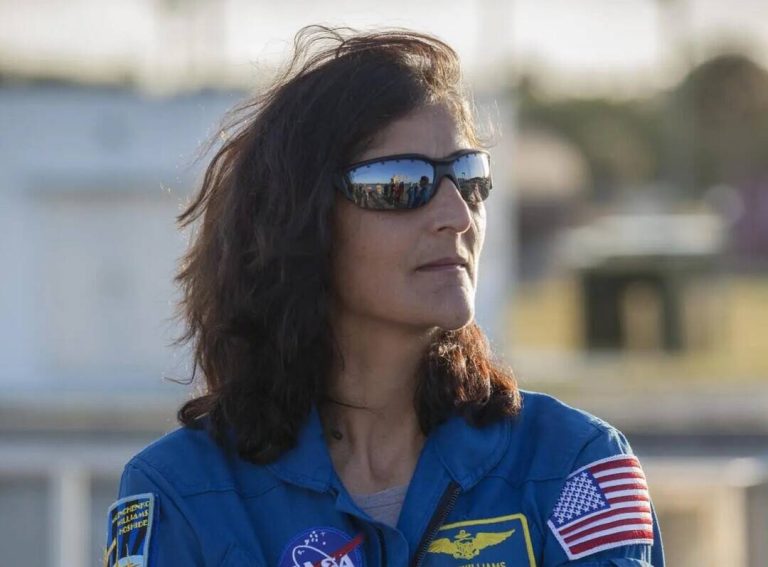
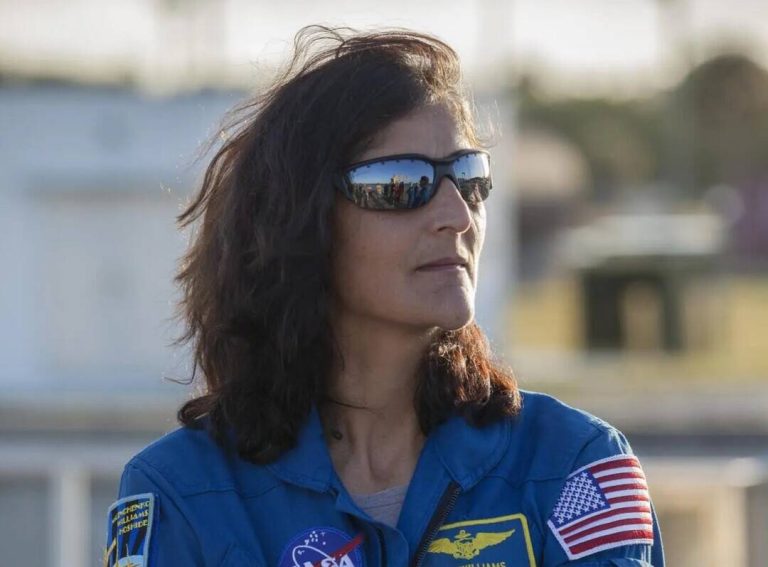
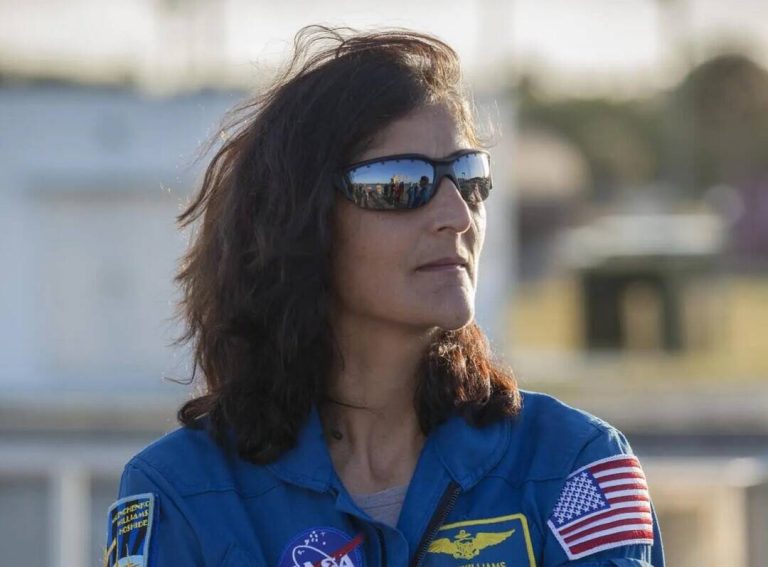
NASA astronaut Sunita Williams has retired from the agency, effective December 27, 2025, after 27 years of service. This marks the end of an illustrious career for one of the most accomplished astronauts in NASA’s history. Williams completed three missions aboard the International Space Station and logged an impressive 608 days in space, solidifying her position as one of the most experienced astronauts to have flown with the agency.
Born on September 19, 1965, in Euclid, Ohio, Williams grew up with a passion for adventure and a fascination with the mysteries of space. She graduated from the United States Naval Academy in 1987 and went on to become a naval aviator, flying the SH-60 Seahawk helicopter. Her experience as a pilot and her academic background in physics and engineering made her an ideal candidate for NASA’s astronaut program.
Williams was selected as an astronaut candidate in 1998 and began her training at the Johnson Space Center in Houston, Texas. She quickly proved herself to be a talented and dedicated astronaut, completing her initial training and going on to fly her first mission aboard the Space Shuttle Discovery in 2006. This mission marked the beginning of a long and distinguished career for Williams, who would go on to fly two more missions aboard the International Space Station.
One of the most notable aspects of Williams’ career was her time spent aboard the International Space Station. During her three missions, she spent a total of 608 days in space, conducting scientific experiments, performing spacewalks, and contributing to the ongoing research and development of the station. Her experience and expertise made her a valuable asset to the NASA team, and she played a key role in the success of the International Space Station program.
However, Williams’ most recent mission was not without its challenges. In 2024, she and astronaut Butch Wilmore were launched aboard the Boeing Starliner spacecraft, bound for the International Space Station. However, shortly after launch, the spacecraft suffered propulsion issues, leaving the two astronauts stuck in space for nine months. This unexpected turn of events presented a significant challenge for Williams and Wilmore, who had to rely on their training and experience to adapt to the situation and ensure their safety.
Despite the difficulties they faced, Williams and Wilmore remained calm and professional, working closely with mission control to troubleshoot the issues and develop a plan to return to Earth. Their bravery and determination in the face of adversity were an inspiration to their colleagues and the public, and their successful return to Earth was a testament to the skill and expertise of the NASA team.
Williams’ retirement marks the end of an era for NASA, as one of its most experienced and accomplished astronauts hangs up her space suit for the last time. Her contributions to the agency and the field of space exploration are immeasurable, and her legacy will continue to inspire future generations of astronauts and scientists. As she looks to the future, Williams can take pride in knowing that she has played a significant role in advancing our understanding of space and pushing the boundaries of human exploration.
Throughout her career, Williams has received numerous awards and honors for her service, including the NASA Distinguished Service Medal, the NASA Space Flight Medal, and the Congressional Space Medal of Honor. Her achievements have also been recognized by the Indian government, which awarded her the Padma Bhushan, one of the country’s highest civilian honors, in 2008.
As Williams begins her new life outside of NASA, she will undoubtedly remain a prominent figure in the space community, sharing her experiences and insights with the public and inspiring others to pursue careers in science, technology, engineering, and mathematics (STEM). Her retirement is a bittersweet moment for the agency, as it marks the loss of a talented and dedicated astronaut, but also provides an opportunity for new talent to emerge and take the reins.
In conclusion, Sunita Williams’ retirement is a significant event in the history of NASA, marking the end of a remarkable career that has spanned over two decades. Her contributions to the agency and the field of space exploration are immeasurable, and her legacy will continue to inspire future generations of astronauts and scientists. As we look to the future of space exploration, we can draw inspiration from Williams’ courage, determination, and passion for discovery, and strive to push the boundaries of human knowledge and achievement even further.
About the Author