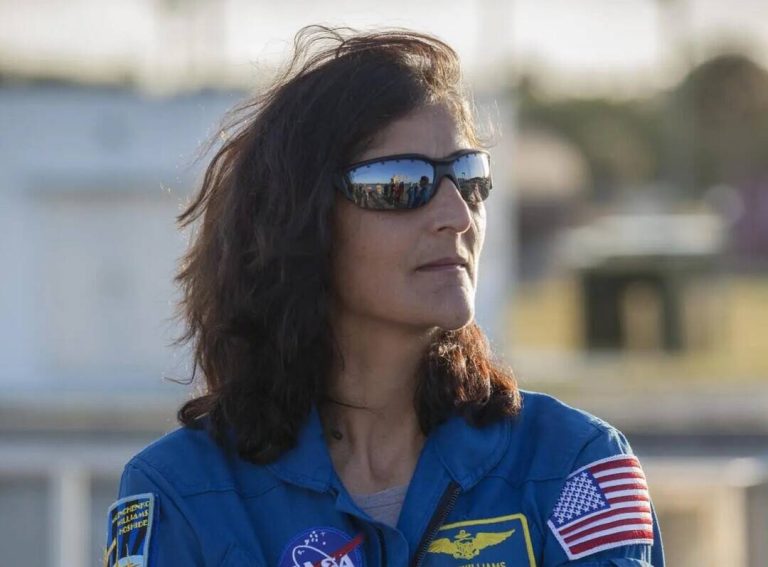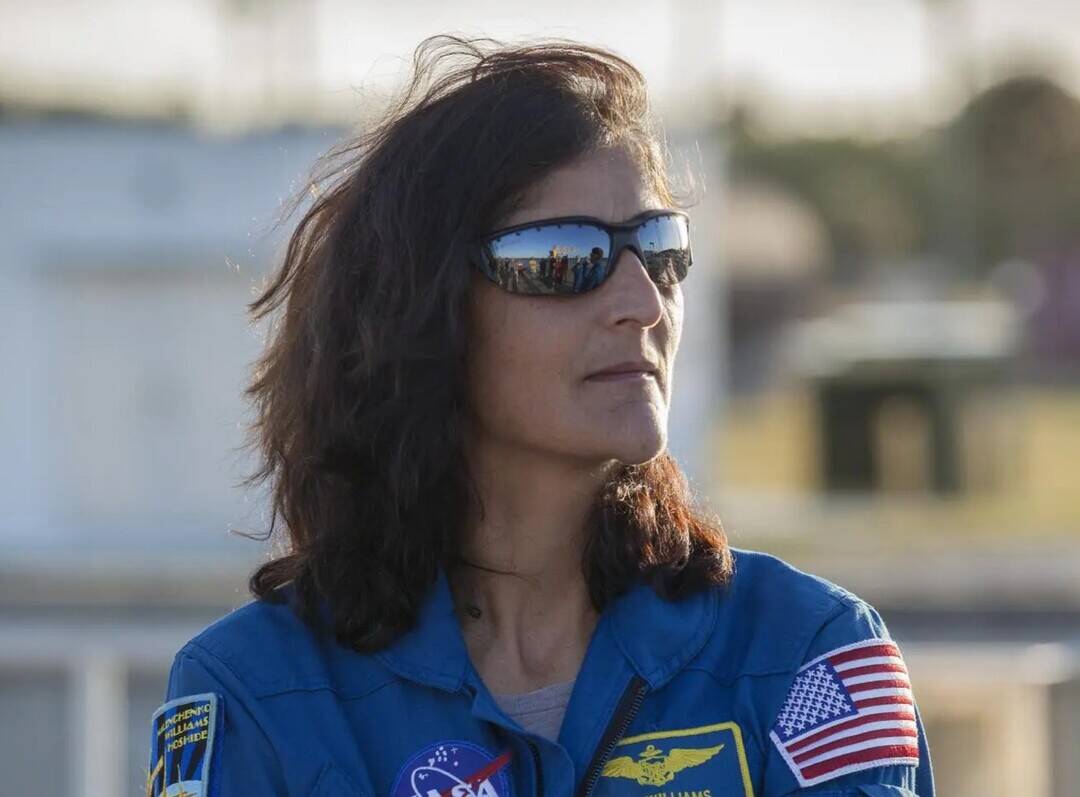
Astronaut Sunita Williams, who was stuck in space for 9 months, retires
NASA astronaut Sunita Williams has retired from the agency, effective December 27, 2025, after 27 years of service. This remarkable astronaut has left an indelible mark on the history of space exploration, and her contributions will be remembered for generations to come. Williams’ illustrious career with NASA has been marked by numerous achievements, including three missions aboard the International Space Station and a staggering 608 days spent in space.
One of the most notable aspects of Williams’ career is her experience of being stuck in space for nine months in 2024-2025. Along with astronaut Butch Wilmore, Williams was on board the Boeing Starliner spacecraft when it suffered propulsion issues, leaving them stranded in space for an extended period. This unprecedented situation posed significant challenges for the astronauts, who had to rely on their training, expertise, and resilience to overcome the obstacles they faced.
Despite the difficulties, Williams and her crewmate demonstrated remarkable adaptability and resourcefulness, working closely with Mission Control to troubleshoot the issues and find a solution. Their experience during this period has provided valuable insights for future space missions, highlighting the importance of contingency planning, teamwork, and communication in overcoming unforeseen challenges.
Throughout her career, Williams has been an inspiration to countless individuals, particularly women and girls, who aspire to pursue careers in science, technology, engineering, and mathematics (STEM). Her achievements have shown that with dedication, hard work, and determination, anyone can achieve their goals, regardless of their background or circumstances.
Williams’ three missions aboard the International Space Station have been instrumental in advancing our understanding of space and its effects on the human body. Her research has focused on various aspects of space exploration, including the impact of microgravity on the human body, the behavior of materials in space, and the development of new technologies for space travel.
The International Space Station, where Williams spent a significant portion of her career, is a remarkable achievement in itself. This orbiting laboratory has enabled scientists to conduct research in a unique environment, where gravity is minimal, and the conditions are vastly different from those on Earth. The station has been continuously occupied by astronauts and cosmonauts since 2000, and it has played a critical role in advancing our knowledge of space and its potential for human exploration.
Williams’ retirement marks the end of an era, but her legacy will continue to inspire future generations of astronauts, scientists, and engineers. Her contributions to the field of space exploration have been immeasurable, and her experience will be invaluable in shaping the future of space travel.
As we look to the future, it is clear that space exploration will continue to play an increasingly important role in advancing our understanding of the universe and improving life on Earth. With private companies like SpaceX and Blue Origin leading the charge, we can expect to see significant advancements in space technology, including the development of reusable rockets, lunar and Mars missions, and the establishment of permanent human settlements in space.
In conclusion, Sunita Williams’ retirement is a bittersweet moment for the space community. While we will miss her presence in the astronaut corps, we are grateful for her remarkable contributions to the field of space exploration. Her experience, expertise, and inspiration will continue to shape the future of space travel, and her legacy will be remembered for generations to come.
About the Author