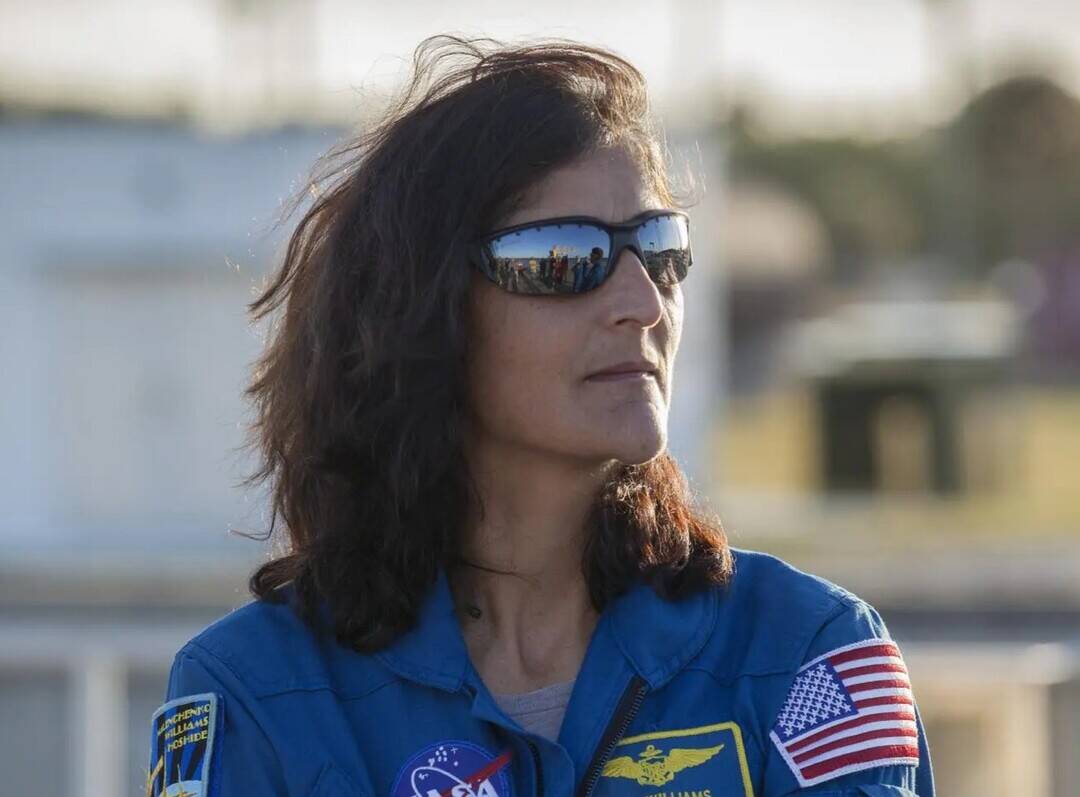
Astronaut Sunita Williams, who was stuck in space for 9 months, retires
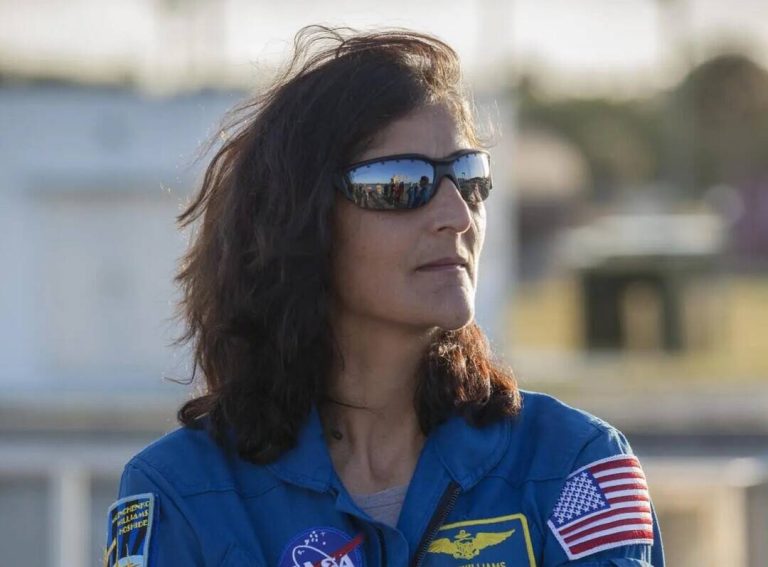
NASA astronaut Sunita Williams has retired from the agency, effective December 27, 2025, after 27 years of service. Williams completed three missions aboard the International Space Station and logged 608 days in space. Her impressive career has been marked by numerous achievements, including being one of the most experienced space travelers in the world.
Williams’ journey to space began in 1998 when she was selected by NASA as an astronaut candidate. She underwent rigorous training, which included scientific and technical coursework, as well as intensive physical training to prepare her for the demands of space travel. Her hard work paid off when she was assigned to her first mission aboard the International Space Station in 2006.
During her first mission, Williams spent 195 days in space, conducting scientific experiments and performing spacewalks. She became the second American woman to command the International Space Station, after Peggy Whitson. Williams’ experience and leadership skills made her an invaluable asset to the NASA team, and she went on to complete two more missions aboard the space station.
One of the most notable experiences of Williams’ career was when she, along with astronaut Butch Wilmore, was stuck in space for nine months in 2024-2025. The two astronauts were aboard the Boeing Starliner spacecraft, which suffered propulsion issues, leaving them stranded in space. Despite the challenges they faced, Williams and Wilmore remained calm and professional, working with NASA’s mission control team to resolve the issue and ensure their safe return to Earth.
The nine-month ordeal was a testament to Williams’ strength and resilience. She and Wilmore had to adapt to a prolonged period of weightlessness, which can have significant effects on the body. They also had to deal with the psychological challenges of being confined to a small space for an extended period. However, Williams’ experience and training allowed her to remain focused and composed, and she continued to perform her duties as an astronaut with dedication and professionalism.
Williams’ retirement marks the end of an era for NASA. She has been an inspiration to countless people around the world, particularly women and girls, who aspire to pursue careers in science, technology, engineering, and mathematics (STEM). Her achievements have shown that with hard work, determination, and a passion for learning, anything is possible.
Throughout her career, Williams has received numerous awards and honors for her contributions to space exploration. She has been awarded the NASA Distinguished Service Medal, the NASA Exceptional Service Medal, and the NASA Space Flight Medal, among others. Her legacy will continue to inspire future generations of astronauts, scientists, and engineers, and her contributions to the field of space exploration will never be forgotten.
As Williams begins her new chapter in life, she leaves behind a remarkable legacy that will continue to inspire and motivate people around the world. Her story is a testament to the power of human determination and the importance of pursuing one’s passions, no matter how challenging they may seem.
In conclusion, Sunita Williams’ retirement is a significant milestone in the history of space exploration. Her achievements have paved the way for future generations of astronauts, and her legacy will continue to inspire and motivate people around the world. As we look to the future of space travel, we can draw inspiration from Williams’ remarkable career and strive to push the boundaries of human knowledge and exploration.
About the Author