Air travel exposes passengers to hidden pollution: Study
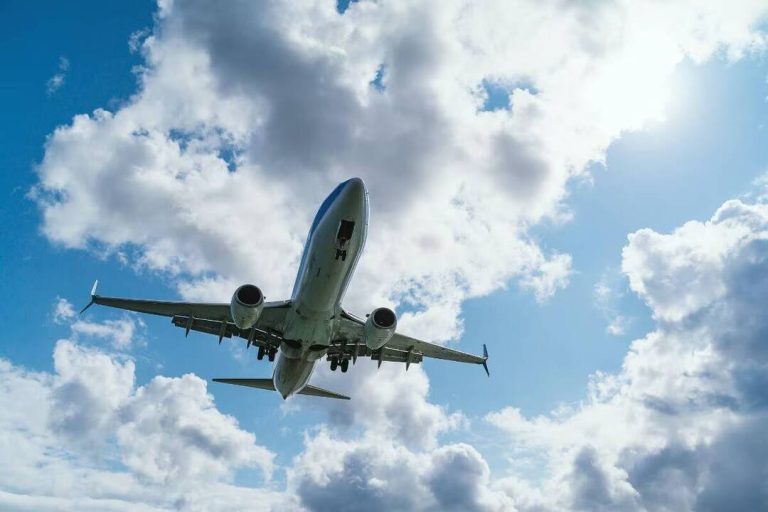
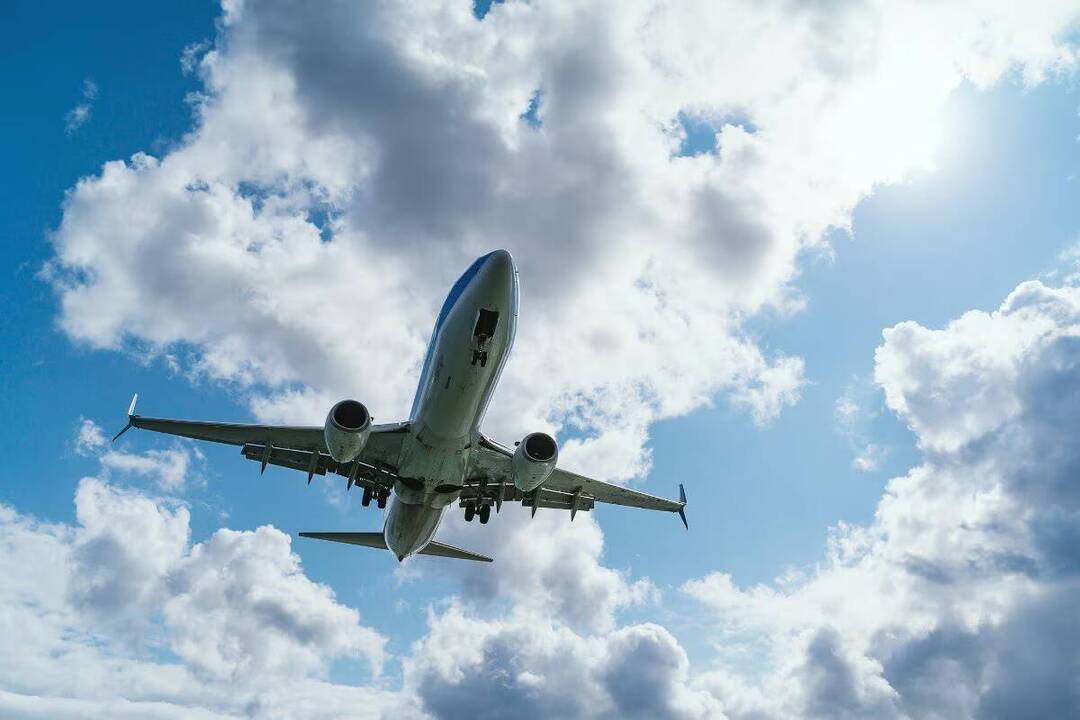
As the world becomes increasingly interconnected, air travel has become a staple of modern life. With millions of people taking to the skies every day, the aviation industry has grown exponentially over the past few decades. However, a recent study has shed light on a disturbing trend that affects not only passengers but also people living in nearby neighborhoods. The study, which measured pollution levels on 16 European flights, found that air travelers are exposed to unexpectedly high levels of ultrafine particles and black carbon, particularly during certain phases of flight.
The study’s findings are alarming, to say the least. Measurements taken during the flights showed that pollution levels spiked during boarding, taxiing, and descent, with a significant decrease in pollution levels at cruising altitude. However, as the plane begins its descent and prepares for landing, pollution levels rise again, exposing passengers to a cocktail of harmful pollutants. But what’s even more concerning is that these pollutants don’t just affect passengers; they also spread kilometers beyond airports, affecting nearby neighborhoods and communities.
The pollutants in question are ultrafine particles and black carbon, both of which are known to have serious health implications. Ultrafine particles, which are smaller than 0.1 micrometers in diameter, can penetrate deep into the lungs and even enter the bloodstream, causing a range of health problems, including respiratory issues, cardiovascular disease, and even cancer. Black carbon, on the other hand, is a potent climate pollutant that contributes to global warming and has been linked to a range of health problems, including respiratory disease, cardiovascular disease, and even neurodegenerative diseases like Alzheimer’s and Parkinson’s.
So, what’s behind the high levels of pollution during certain phases of flight? The answer lies in the way airplanes are designed and operated. During boarding and taxiing, planes are typically powered by their auxiliary power units (APUs), which are small engines that provide power to the plane’s systems when the main engines are not running. These APUs are often less efficient and more polluting than the main engines, releasing high levels of ultrafine particles and black carbon into the air. Similarly, during descent and landing, planes often use their thrust reversers, which can release high levels of pollutants into the air.
But it’s not just the planes themselves that are the problem; it’s also the way airports are designed and operated. Many airports are located near urban areas, and the pollution from planes can spread far beyond the airport boundaries, affecting nearby neighborhoods and communities. In fact, the study found that the pollution from planes can be comparable to that of busy urban roads, with levels of ultrafine particles and black carbon often exceeding those found in heavily trafficked cities.
So, what can be done to reduce the pollution from air travel? The answer is complex, but there are several steps that can be taken. For one, airports and airlines can work to reduce their emissions by using more efficient engines, optimizing flight routes, and implementing more sustainable practices, such as using electric or hybrid-electric APUs. Additionally, policymakers can work to implement stricter regulations on pollution from air travel, including limits on emissions from planes and airports.
Passengers can also take steps to reduce their exposure to pollution during flights. For one, they can choose to fly with airlines that have implemented more sustainable practices, such as using biofuels or electric APUs. They can also take steps to reduce their own emissions, such as offsetting their flights or using public transportation to get to and from the airport.
In conclusion, the study’s findings are a wake-up call for the aviation industry and policymakers. Air travel exposes passengers to hidden pollution, and it’s not just passengers who are affected; nearby neighborhoods and communities are also impacted. By working together, we can reduce the pollution from air travel and create a healthier, more sustainable future for all.
News source: https://www.newsbytesapp.com/news/science/air-travel-exposes-passengers-and-neighbors-to-hidden-pollution/tldr
About the Author