Air travel exposes passengers to hidden pollution: Study
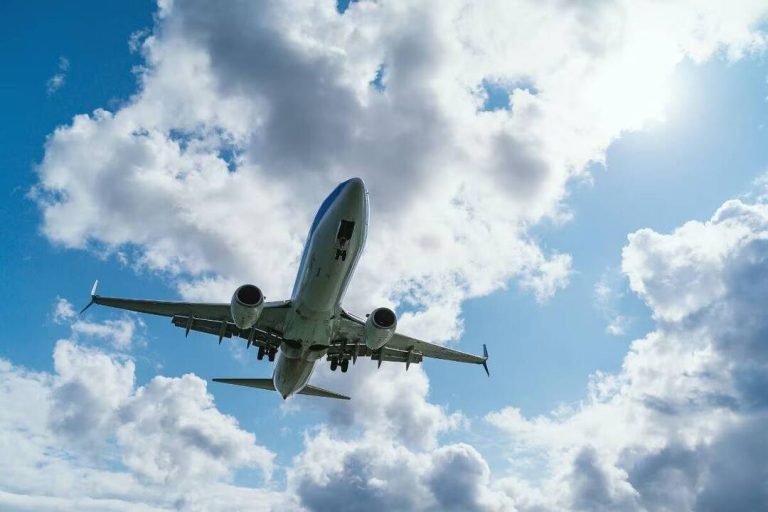
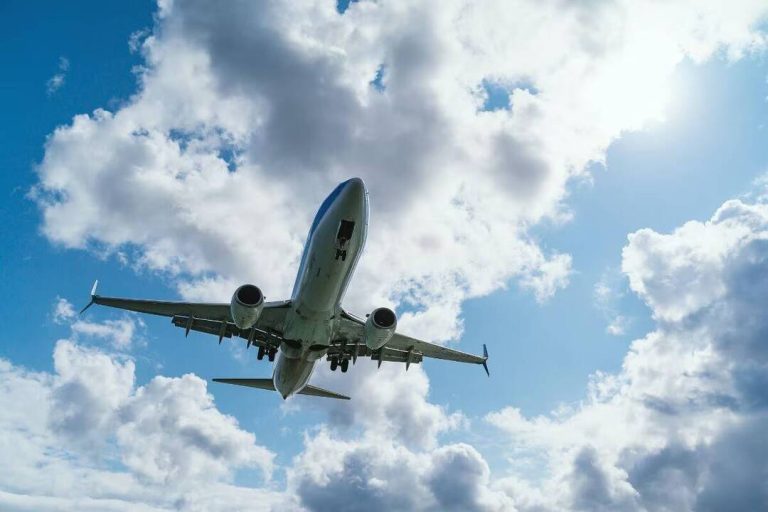
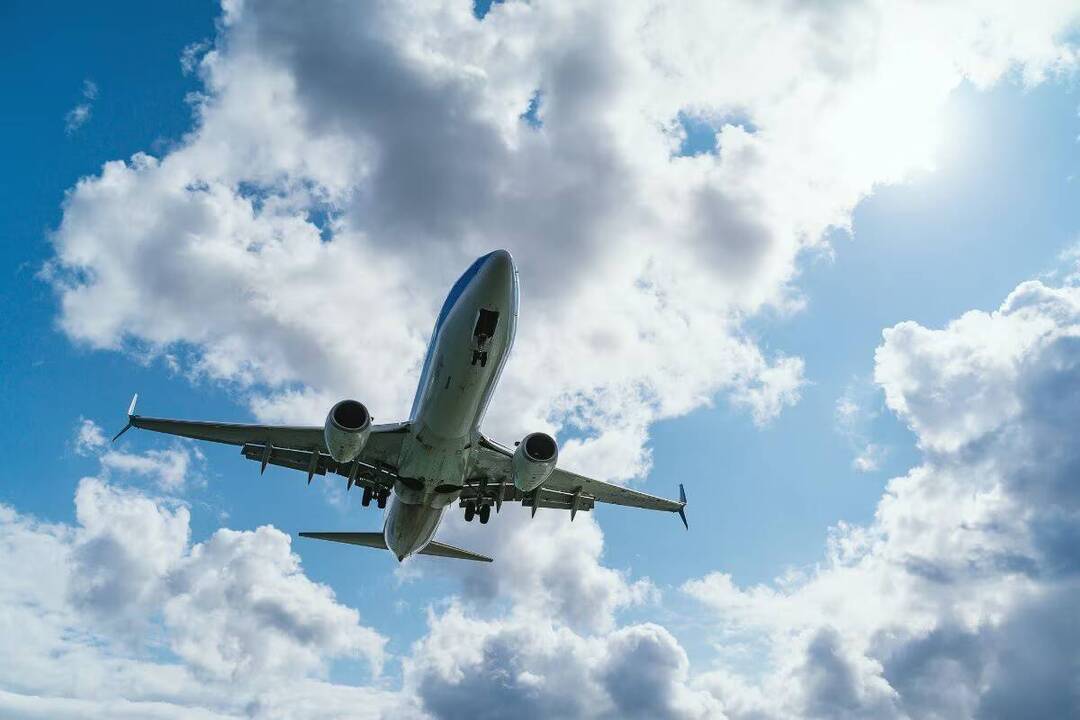
As the world becomes increasingly connected, air travel has become an essential mode of transportation for millions of people around the globe. However, a recent study has found that air travel exposes passengers to unexpectedly high levels of ultrafine particles and black carbon, which can have serious health implications. The study, which measured pollution levels on 16 European flights, revealed that passengers are exposed to hidden pollution during various stages of their journey, including boarding, taxiing, descent, and landing.
The study found that pollution levels spike during the boarding process, when passengers are exposed to high levels of ultrafine particles and black carbon from the aircraft’s engines and auxiliary power units. These particles are tiny, measuring less than 0.1 micrometers in diameter, and can penetrate deep into the lungs, causing respiratory problems and other health issues. The levels of pollution ease slightly during cruising altitude, but rise again during descent and landing, when the aircraft’s engines are producing more emissions.
But the impact of air travel on pollution doesn’t stop at the airport. The study found that the particles emitted by aircraft can spread kilometers beyond the airport, affecting nearby neighborhoods and communities. In fact, the levels of pollution in these areas can be comparable to those found in busy urban roads, highlighting the need for more effective pollution mitigation strategies.
The study’s findings have significant implications for air travelers, airport workers, and people living in nearby communities. Exposure to ultrafine particles and black carbon has been linked to a range of health problems, including respiratory diseases, cardiovascular disease, and even cancer. Children, older adults, and people with pre-existing medical conditions are particularly vulnerable to the effects of air pollution.
So, what can be done to reduce the impact of air travel on pollution? One solution is to implement more effective emission reduction technologies, such as electric or hybrid-electric propulsion systems. These systems can significantly reduce the amount of ultrafine particles and black carbon emitted by aircraft, making air travel cleaner and healthier for passengers and communities.
Another solution is to improve air quality management at airports. This can include implementing stricter emission standards for aircraft and ground vehicles, increasing the use of alternative fuels, and enhancing ventilation systems in airport terminals. Airports can also invest in green infrastructure, such as parks and green roofs, to help mitigate the effects of air pollution.
In addition to these solutions, there are also steps that individual travelers can take to reduce their exposure to pollution during air travel. For example, travelers can choose to fly with airlines that have implemented emission reduction technologies or have more efficient engines. They can also consider flying during off-peak hours, when air traffic is reduced, or opting for non-stop flights, which can reduce exposure to pollution during takeoff and landing.
The study’s findings also highlight the need for more research into the health effects of air travel. While the study provides valuable insights into the levels of pollution exposure during air travel, more research is needed to fully understand the health implications of air travel and to develop effective strategies for mitigating these effects.
In conclusion, air travel exposes passengers to unexpectedly high levels of ultrafine particles and black carbon, which can have serious health implications. The study’s findings highlight the need for more effective emission reduction technologies, improved air quality management at airports, and individual actions to reduce exposure to pollution during air travel. As the world becomes increasingly connected, it is essential that we prioritize the health and well-being of air travelers and communities affected by air pollution.
About the Author