Air travel exposes passengers to hidden pollution: Study
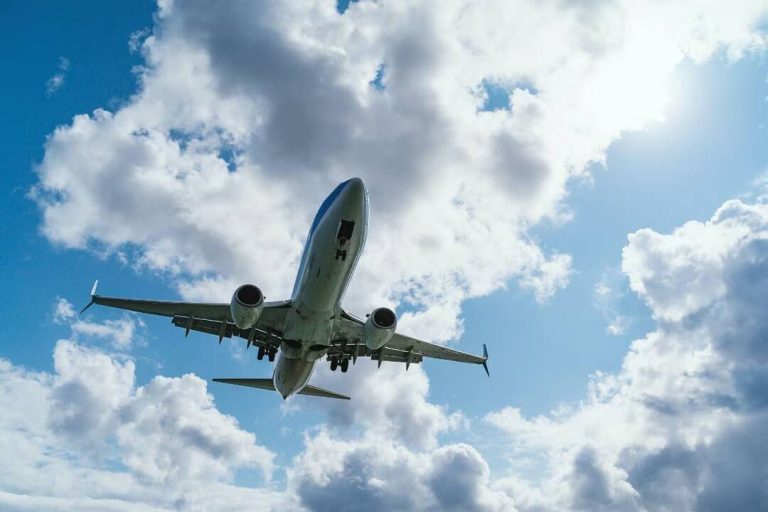
As the world becomes increasingly interconnected, air travel has become an essential mode of transportation for millions of people around the globe. However, a recent study has revealed that air travel exposes passengers to unexpectedly high levels of ultrafine particles and black carbon, which can have severe health implications. The study, which measured pollution levels on 16 European flights, found that pollution spikes occur during boarding, taxiing, and descent, with levels easing at cruising altitude but rising again on landing.
The study’s findings are alarming, to say the least. Ultrafine particles, which are smaller than 0.1 micrometers in diameter, are known to be particularly hazardous to human health. They can penetrate deep into the lungs, causing inflammation and oxidative stress, which can lead to respiratory problems, cardiovascular disease, and even cancer. Black carbon, on the other hand, is a potent climate pollutant that contributes to global warming and has been linked to a range of health problems, including respiratory and cardiovascular disease.
The study’s measurements showed that pollution levels during boarding and taxiing were particularly high, with ultrafine particle concentrations reaching levels of up to 100,000 particles per cubic centimeter. These levels are comparable to those found in heavily polluted urban areas, such as near busy roads or industrial sites. During descent and landing, pollution levels also spiked, with black carbon concentrations reaching levels of up to 10 micrograms per cubic meter.
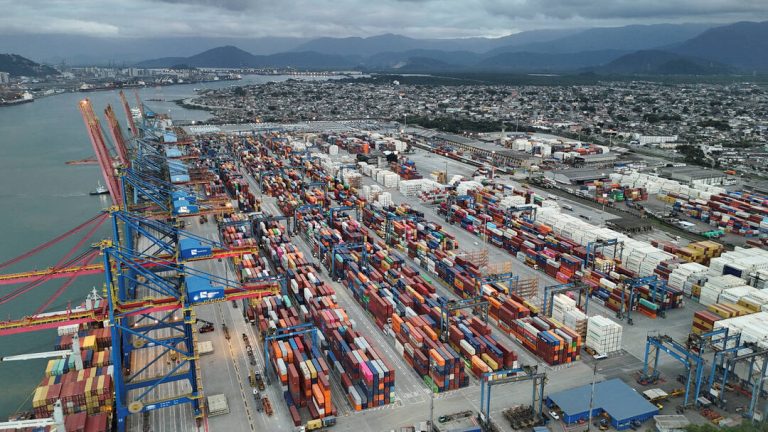
But the study’s findings don’t just stop at the airport. The researchers also found that the particles emitted during air travel can spread kilometers beyond the airport, affecting nearby neighborhoods and communities. This is similar to the way that pollution from busy urban roads can affect surrounding areas, with particles and gases being carried away by winds and air currents.
The implications of the study’s findings are significant. Not only do they highlight the need for greater awareness of the health risks associated with air travel, but they also underscore the importance of reducing emissions from air travel. This can be achieved through a range of measures, including the development of more efficient engines, the use of alternative fuels, and the implementation of stricter emissions regulations.
For passengers, there are also steps that can be taken to minimize exposure to pollution during air travel. These include choosing seats farthest from the engines, using air purifiers or masks, and avoiding travel during peak pollution periods. Airlines and airports can also take steps to reduce pollution, such as using electric or hybrid vehicles for ground transportation and implementing more efficient air traffic management systems.
The study’s findings also have important implications for communities living near airports. These communities are often already exposed to high levels of pollution from other sources, such as traffic and industry, and the additional pollution from air travel can have significant health impacts. Policymakers and regulators must take these findings into account when developing policies and regulations related to air travel and pollution.
In conclusion, the study’s findings are a wake-up call for the air travel industry and for policymakers. They highlight the need for greater awareness of the health risks associated with air travel and the importance of reducing emissions from air travel. By taking steps to minimize exposure to pollution and reducing emissions, we can make air travel safer and more sustainable for everyone.
For more information on this study, you can visit the news website at https://www.newsbytesapp.com/news/science/air-travel-exposes-passengers-and-neighbors-to-hidden-pollution/tldr.
News Source: https://www.newsbytesapp.com/news/science/air-travel-exposes-passengers-and-neighbors-to-hidden-pollution/tldr
About the Author