Air travel exposes passengers to hidden pollution: Study
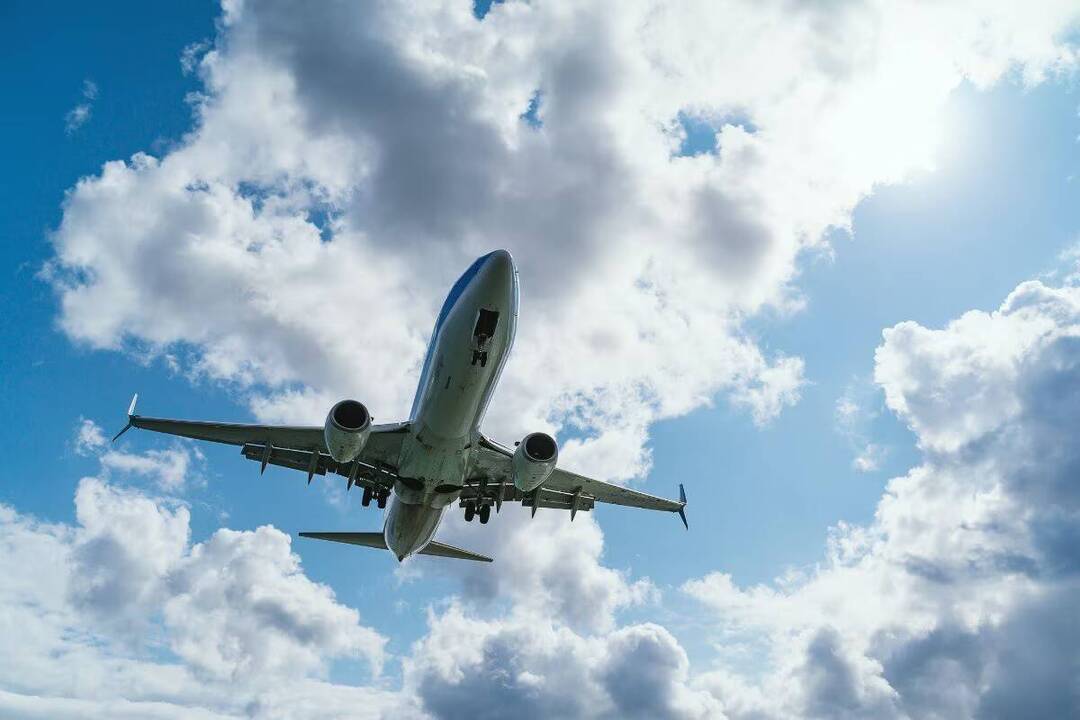
As the world becomes increasingly interconnected, air travel has become an essential mode of transportation for millions of people around the globe. However, a recent study has shed light on a disturbing reality that affects not only passengers but also people living in nearby neighborhoods. The study, which measured pollution levels on 16 European flights, found that air travelers are exposed to unexpectedly high levels of ultrafine particles and black carbon during their journeys.
The measurements, taken during various phases of flight, including boarding, taxiing, takeoff, cruising, descent, and landing, revealed significant spikes in pollution levels. The most alarming findings were recorded during boarding, taxiing, and descent, when pollution levels were found to be significantly higher than during cruising altitude. This is particularly concerning, as these phases of flight are when passengers are most likely to be on the plane, and therefore, most exposed to the pollutants.
But what exactly are ultrafine particles and black carbon, and why are they a cause for concern? Ultrafine particles, also known as nanoparticles, are tiny particles that are less than 0.1 micrometers in diameter. They are produced by a variety of sources, including fossil fuel combustion, industrial processes, and natural events like wildfires. These particles are so small that they can penetrate deep into the lungs, causing damage to the respiratory system and even the cardiovascular system.
Black carbon, on the other hand, is a type of particulate matter that is produced by the incomplete combustion of fossil fuels. It is a potent climate pollutant that contributes to global warming and has been linked to a range of health problems, including respiratory and cardiovascular disease. Black carbon is also a key component of particulate matter, which is a major air pollutant in urban areas.
The study’s findings are alarming, not just for passengers but also for people living in nearby neighborhoods. The particles and pollutants emitted by airplanes do not stay confined to the airport or the surrounding area. Instead, they can spread kilometers beyond the airport, affecting nearby communities much like busy urban roads. This means that people living near airports may be exposed to high levels of pollution, even if they do not fly themselves.
The implications of this study are significant. Air travel is a major contributor to greenhouse gas emissions, and the pollution emitted by airplanes is a major public health concern. The study’s findings highlight the need for the aviation industry to take steps to reduce its environmental impact and minimize the exposure of passengers and nearby communities to pollutants.
So, what can be done to mitigate the effects of air travel pollution? One possible solution is to improve the fuel efficiency of airplanes, which would reduce the amount of pollutants emitted during flight. Another solution is to implement stricter emissions standards for airplanes, similar to those in place for cars and trucks. Additionally, airports can take steps to reduce pollution, such as by using electric or hybrid vehicles for ground transportation and implementing more efficient air traffic control systems.
In conclusion, the study’s findings are a wake-up call for the aviation industry and policymakers. Air travel is a vital part of modern life, but it is also a significant contributor to pollution and climate change. By taking steps to reduce the environmental impact of air travel, we can minimize the exposure of passengers and nearby communities to pollutants and create a healthier, more sustainable future for all.
The study’s findings are a reminder that air travel is not just a mode of transportation but also a source of pollution that affects not only passengers but also people living in nearby neighborhoods. As we move forward, it is essential to prioritize sustainability and environmental responsibility in the aviation industry. By working together, we can create a cleaner, healthier, and more sustainable future for generations to come.
News source: https://www.newsbytesapp.com/news/science/air-travel-exposes-passengers-and-neighbors-to-hidden-pollution/tldr
About the Author