Air travel exposes passengers to hidden pollution: Study
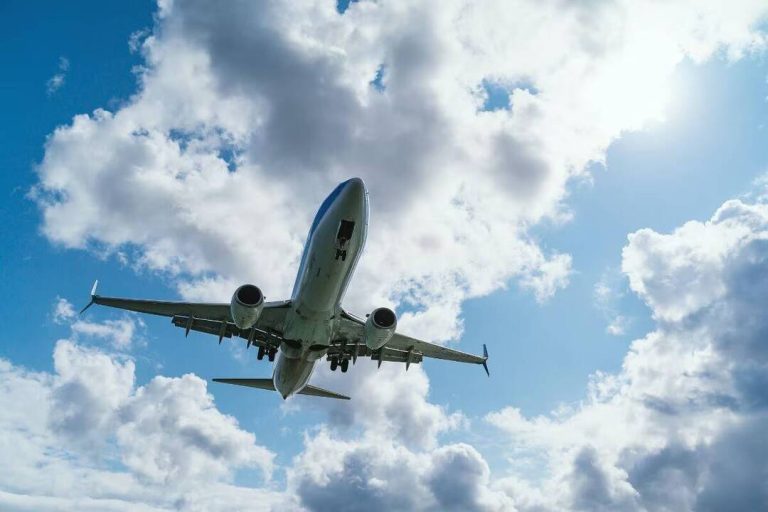
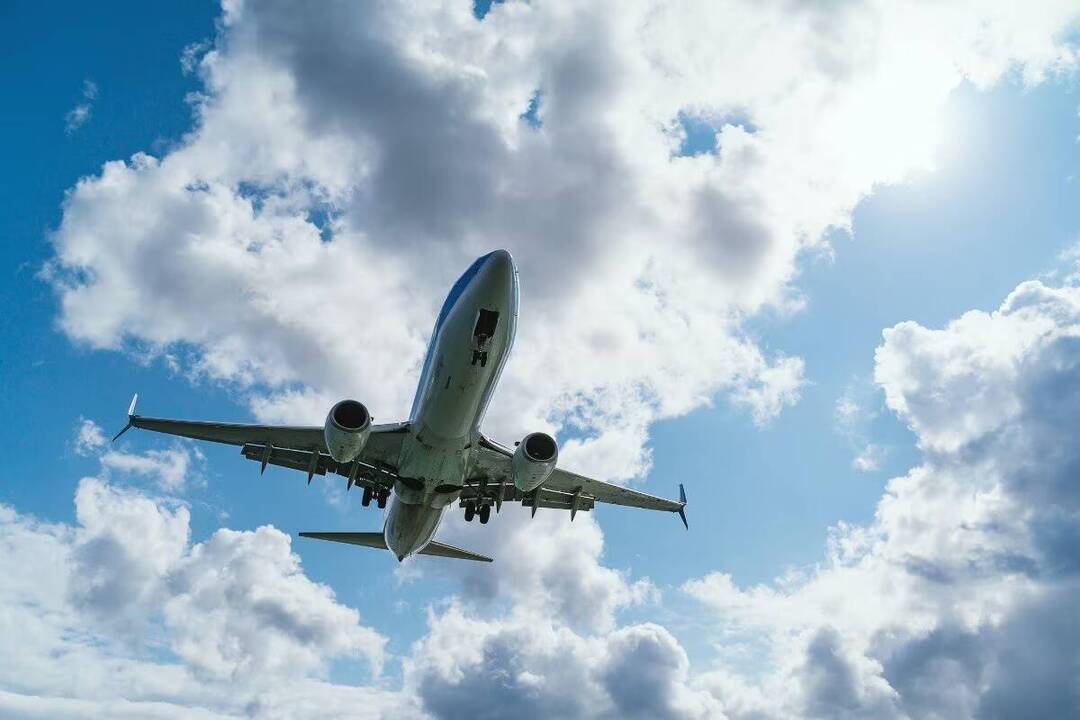
As the world becomes increasingly interconnected, air travel has become an essential mode of transportation for millions of people around the globe. However, a recent study has revealed a disturbing reality about the environmental impact of air travel. According to the study, air travellers are exposed to unexpectedly high levels of ultrafine particles and black carbon, which can have severe health implications. The study, which measured pollution levels on 16 European flights, found that passengers are exposed to pollution spikes during boarding, taxiing, and descent, with levels easing at cruising altitude but rising again on landing.
The study’s findings are alarming, to say the least. The measurements revealed that the levels of ultrafine particles and black carbon on flights are significantly higher than what is typically found in urban areas. Ultrafine particles, which are smaller than 0.1 micrometres in diameter, are known to be particularly hazardous to human health as they can penetrate deep into the lungs and even enter the bloodstream. Black carbon, on the other hand, is a potent climate pollutant that contributes to global warming.
The study’s authors noted that the pollution levels on flights are influenced by a variety of factors, including the type of aircraft, the fuel used, and the flight route. However, the most significant factor contributing to pollution levels was found to be the airport itself. The study revealed that the particles and black carbon emitted during takeoff and landing spread kilometres beyond the airport, affecting nearby neighbourhoods much like busy urban roads.
The implications of the study’s findings are far-reaching. Not only do air travellers face exposure to hidden pollution, but the surrounding communities also bear the brunt of the environmental impact. The study’s authors suggest that airports and airlines must take immediate action to reduce pollution levels, including investing in cleaner fuels and more efficient aircraft. Additionally, policymakers must develop and implement stricter regulations to limit the environmental impact of air travel.
The study’s findings also highlight the need for greater transparency and awareness about the environmental impact of air travel. Passengers have a right to know about the pollution levels they are exposed to during flights, and airlines must be held accountable for their environmental footprint. The study’s authors suggest that airlines could provide passengers with information about pollution levels on flights, allowing them to make informed decisions about their travel plans.
Furthermore, the study’s findings underscore the importance of developing sustainable aviation fuels. Traditional fossil fuels used in air travel are a significant contributor to greenhouse gas emissions, and the development of cleaner, more sustainable fuels could significantly reduce the environmental impact of air travel. The study’s authors suggest that governments and industry leaders must work together to invest in research and development of sustainable aviation fuels and incentivize their adoption.
In conclusion, the study’s findings are a wake-up call for the aviation industry and policymakers. Air travel exposes passengers to hidden pollution, and the environmental impact of air travel extends far beyond the airport itself. It is imperative that immediate action is taken to reduce pollution levels, invest in cleaner fuels, and develop stricter regulations to limit the environmental impact of air travel. As the world continues to grapple with the challenges of climate change, it is essential that we prioritize sustainability and environmental protection in all aspects of our lives, including air travel.
About the Author