Air travel exposes passengers to hidden pollution: Study
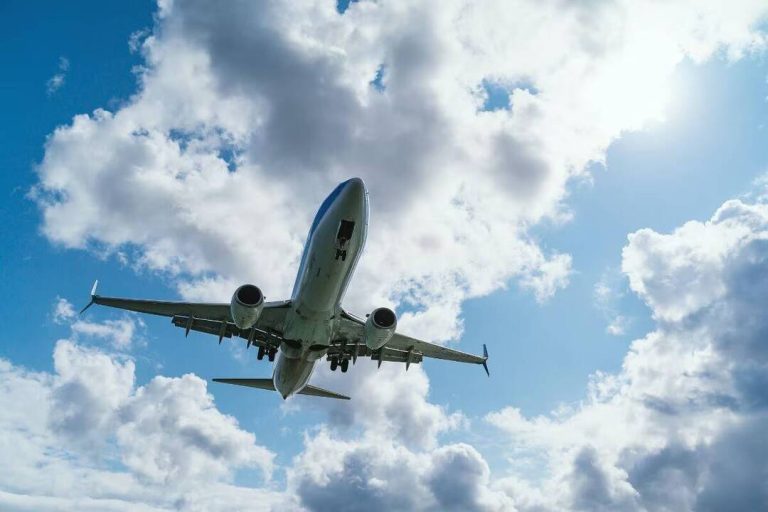
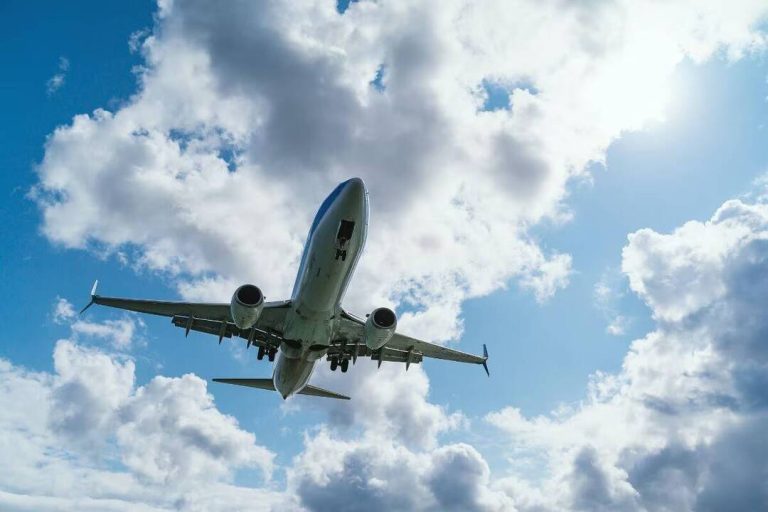
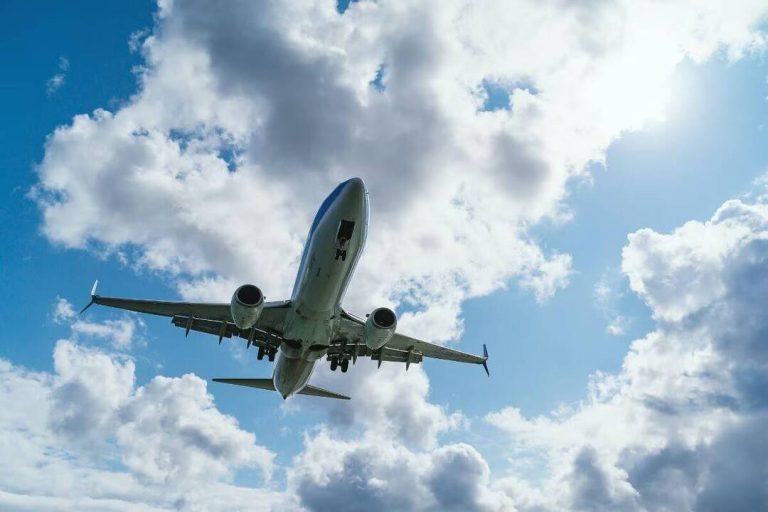
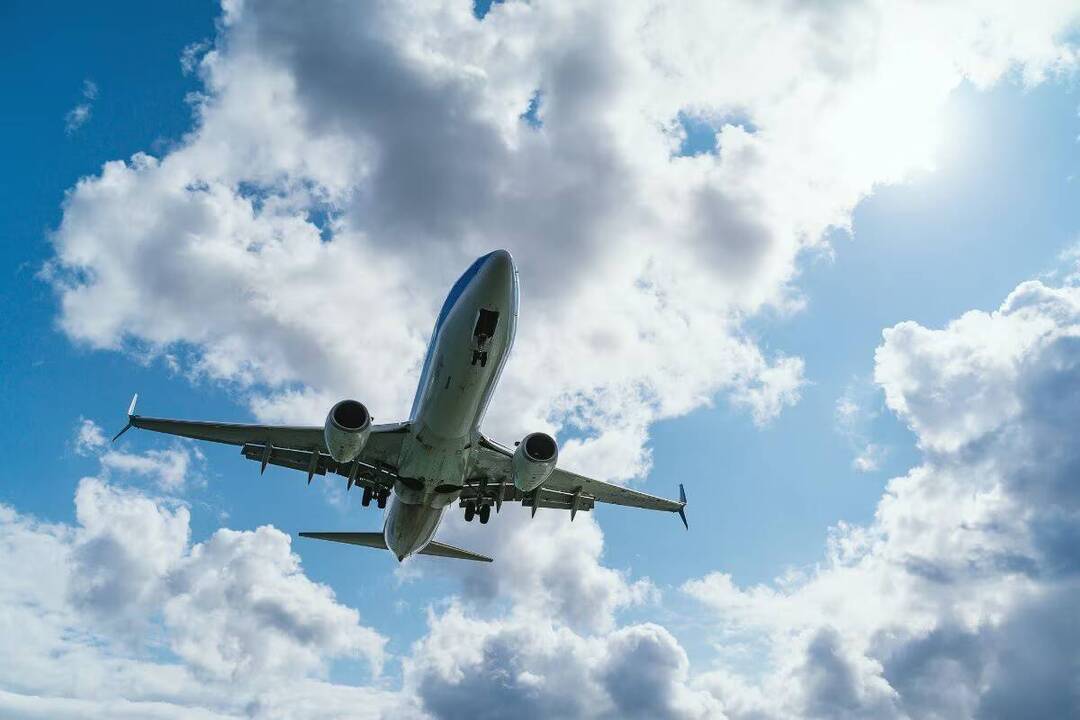
As the world becomes increasingly connected, air travel has become an essential mode of transportation for millions of people around the globe. However, a recent study has revealed that air travel exposes passengers to unexpectedly high levels of ultrafine particles and black carbon, which can have serious health implications. The study, which measured pollution levels on 16 European flights, found that passengers are exposed to hidden pollution during various stages of flight, including boarding, taxiing, descent, and landing.
The study’s findings are alarming, to say the least. Measurements taken during the flights showed that pollution levels spike during boarding, taxiing, and descent, with ultrafine particle concentrations reaching levels that are comparable to those found in busy urban areas. These particles are particularly problematic because they are small enough to be inhaled deep into the lungs, where they can cause inflammation and damage.
One of the most surprising aspects of the study’s findings is that pollution levels ease significantly at cruising altitude. This suggests that the majority of pollution exposure occurs during the takeoff and landing phases of flight, when the plane is closest to the ground and is operating at lower altitudes. However, this does not mean that passengers are completely safe from pollution at cruising altitude. While the levels of ultrafine particles and black carbon may be lower, they are still present and can still pose a health risk.
The study’s findings are not just limited to passengers on board the plane. The researchers also found that the pollution from air travel spreads kilometres beyond airports, affecting nearby neighbourhoods and communities. This is similar to the way that pollution from busy urban roads can affect nearby residents, and highlights the need for airports and airlines to take steps to reduce their environmental impact.
The implications of the study’s findings are significant. Air travel is a major contributor to greenhouse gas emissions, and the pollution from planes can have serious health consequences for passengers and people living near airports. The study’s authors are calling for airlines and airports to take steps to reduce pollution, such as using cleaner fuels, optimizing flight routes, and implementing more efficient engine technologies.
In addition to the health implications, the study’s findings also have significant economic implications. Air travel is a major industry, and the costs of pollution from planes can be substantial. The study’s authors estimate that the health costs associated with air pollution from planes could be in the billions of dollars, and that reducing pollution could have significant economic benefits.
So, what can be done to reduce pollution from air travel? One of the most effective ways to reduce pollution is to use cleaner fuels. Many airlines are already exploring the use of alternative fuels, such as biofuels, which can significantly reduce greenhouse gas emissions. Additionally, optimizing flight routes and implementing more efficient engine technologies can also help to reduce pollution.
Another approach is to implement policies to reduce pollution from air travel. For example, some airports are implementing fees for planes that do not meet certain emissions standards, which can encourage airlines to use cleaner fuels and more efficient engines. Additionally, governments can implement regulations to limit emissions from planes, such as setting standards for ultrafine particle and black carbon emissions.
In conclusion, the study’s findings highlight the need for airlines, airports, and governments to take steps to reduce pollution from air travel. The health implications of pollution from planes are significant, and the economic costs can be substantial. By using cleaner fuels, optimizing flight routes, and implementing more efficient engine technologies, we can reduce pollution from air travel and create a healthier, more sustainable transportation system.
The study’s findings are a wake-up call for the air travel industry, and highlight the need for greater awareness and action to address the issue of pollution from planes. As the world becomes increasingly connected, it is essential that we prioritize the health and well-being of passengers and communities affected by air travel. By working together, we can reduce pollution from air travel and create a more sustainable future for all.
About the Author