Air travel exposes passengers to hidden pollution: Study
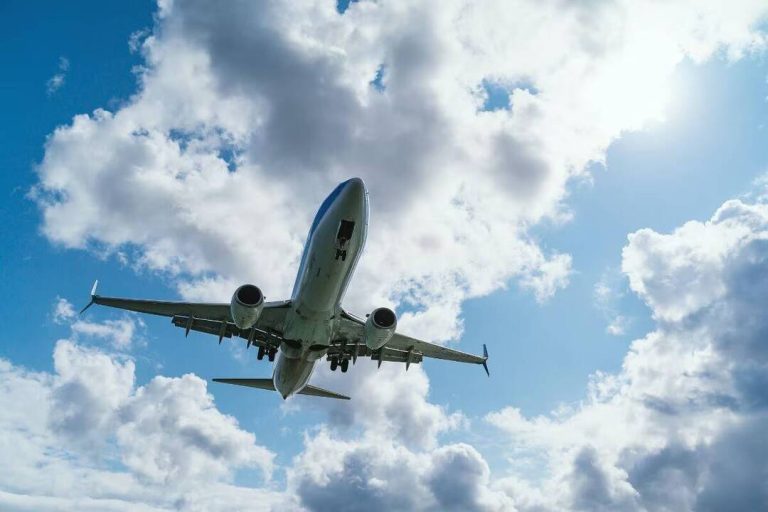
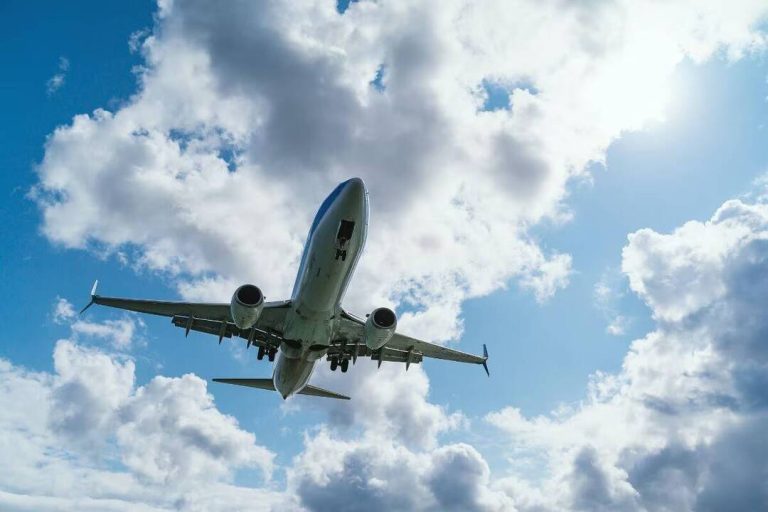
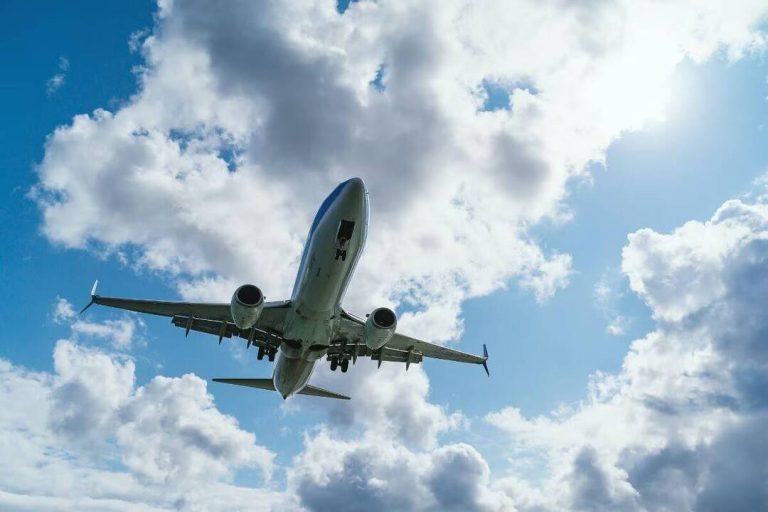
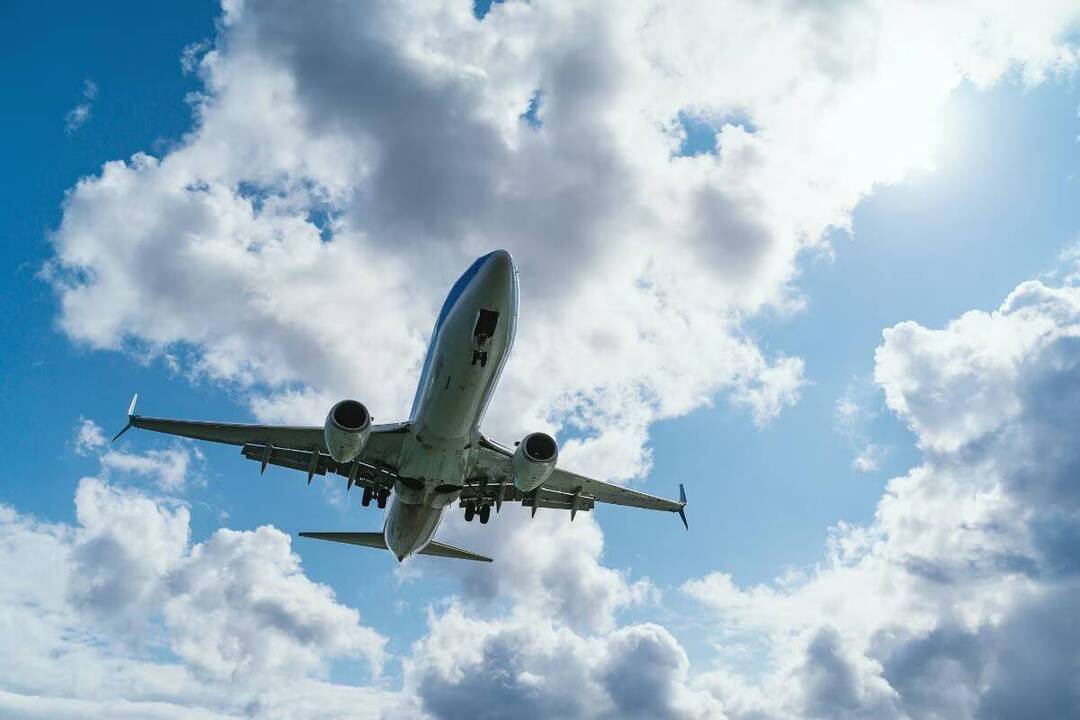
As the world becomes increasingly interconnected, air travel has become an essential mode of transportation for millions of people around the globe. However, a recent study has revealed that air travel may be exposing passengers to unexpectedly high levels of air pollution, particularly during certain phases of flight. The study, which measured pollution levels on 16 European flights, found that passengers are exposed to high levels of ultrafine particles and black carbon, which can have serious health implications.
The study found that pollution levels spike during boarding, taxiing, and descent, with levels easing slightly at cruising altitude. However, levels rise again on landing, exposing passengers to a second wave of pollution. But the impact of air travel on air pollution doesn’t stop there. The study also found that the particles spread kilometres beyond airports, affecting nearby neighbourhoods and communities much like busy urban roads.
The measurements, taken on flights across Europe, revealed that ultrafine particles and black carbon levels were significantly higher than expected. Ultrafine particles, which are less than 0.1 micrometres in diameter, are particularly concerning as they can penetrate deep into the lungs and even enter the bloodstream. Black carbon, on the other hand, is a known carcinogen and can cause respiratory problems.
The study’s findings are alarming, particularly for frequent flyers and those living in close proximity to airports. The World Health Organization (WHO) estimates that nine out of ten people worldwide breathe polluted air, resulting in seven million premature deaths annually. While air travel is often seen as a necessary evil, the study’s findings highlight the need for greater awareness and action to mitigate the impact of air travel on air pollution.
So, what can be done to reduce the impact of air travel on air pollution? One potential solution is the development of more efficient and environmentally friendly aircraft engines. Many airlines are already investing in newer, more fuel-efficient planes, which can reduce emissions and minimize pollution. Additionally, airports can implement measures to reduce pollution, such as using electric or hybrid vehicles for ground transportation and optimizing flight routes to minimize fuel burn.
Another key area of focus is the development of sustainable aviation fuels (SAF). SAF is a type of fuel that is made from renewable resources, such as waste biomass or algae, and can reduce greenhouse gas emissions by up to 80%. While SAF is still in its infancy, many airlines and airports are investing in its development, recognizing its potential to significantly reduce the environmental impact of air travel.
The study’s findings also highlight the need for greater awareness and education among passengers and the general public. Many people are unaware of the potential health risks associated with air travel, and may not take steps to minimize their exposure to pollution. By raising awareness and promoting education, we can empower individuals to make informed choices about their travel and take steps to protect their health.
In conclusion, the study’s findings are a wake-up call for the aviation industry and the general public. Air travel is a necessary part of modern life, but it is essential that we take steps to minimize its impact on air pollution. By investing in more efficient aircraft engines, developing sustainable aviation fuels, and promoting awareness and education, we can reduce the health risks associated with air travel and create a more sustainable future for generations to come.
The study’s findings are a reminder that air pollution is a complex and multifaceted issue, requiring a comprehensive and coordinated response. As we move forward, it is essential that we prioritize the development of sustainable and environmentally friendly technologies, while also promoting awareness and education among passengers and the general public.
Ultimately, the key to reducing the impact of air travel on air pollution is a collective effort. By working together, we can create a more sustainable and environmentally friendly aviation industry, one that prioritizes the health and well-being of passengers and the general public.
About the Author