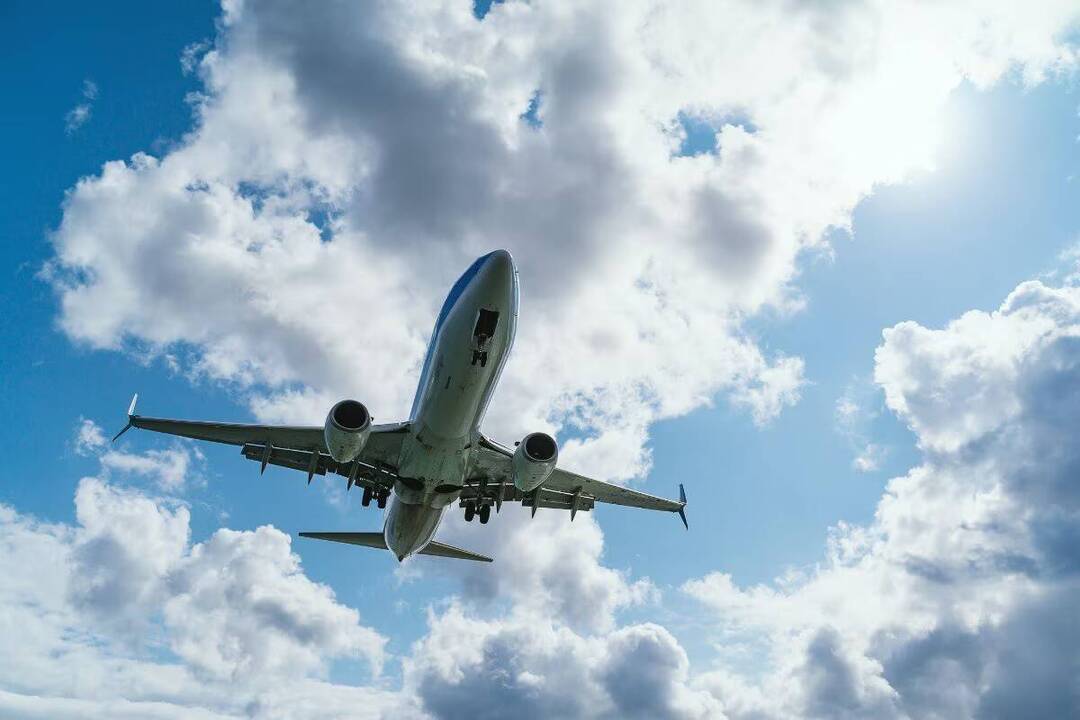
Air travel exposes passengers to hidden pollution: Study
As we soar through the skies, taking in the breathtaking views and enjoying the convenience of air travel, few of us stop to think about the potential health risks associated with flying. However, a recent study has shed light on a disturbing reality: air travellers are exposed to unexpectedly high levels of ultrafine particles and black carbon, pollutants that can have serious health implications. The study, which measured pollution levels on 16 European flights, found that passengers are exposed to spikes in pollution during boarding, taxiing, and descent, with levels easing slightly at cruising altitude but rising again on landing.
The research, which aimed to investigate the levels of air pollution on commercial flights, used specialized equipment to measure the concentrations of ultrafine particles and black carbon on board the aircraft. The results were striking: during the most polluted phases of flight, such as boarding and taxiing, concentrations of ultrafine particles were found to be comparable to those found in heavily polluted urban areas. Black carbon levels were also elevated, with the study suggesting that these pollutants can spread kilometres beyond airports, affecting nearby neighbourhoods much like busy urban roads.
The implications of these findings are significant. Ultrafine particles, which are smaller than 0.1 micrometres in diameter, are known to be particularly hazardous to human health. They can penetrate deep into the lungs, causing inflammation and damage to lung tissue, and have been linked to a range of health problems, including respiratory and cardiovascular disease. Black carbon, on the other hand, is a potent climate pollutant that can also have serious health impacts, including increased risk of lung cancer and other respiratory problems.
The study’s authors suggest that the high levels of pollution on flights are likely due to a combination of factors, including the burning of fossil fuels by the aircraft’s engines, as well as the resuspension of particles from the plane’s wheels and brakes during taxiing and takeoff. The fact that pollution levels ease at cruising altitude but rise again on landing suggests that the sources of pollution are complex and multifaceted, and that a range of factors contribute to the overall pollution burden on flights.
One of the most concerning aspects of the study’s findings is the suggestion that the pollutants emitted by aircraft can spread far beyond the airport itself, affecting nearby neighbourhoods and communities. This is particularly worrying, given the fact that many airports are located near densely populated urban areas, where residents may already be exposed to high levels of air pollution from other sources. The study’s authors suggest that the pollutants emitted by aircraft can contribute to a range of health problems in these communities, from respiratory disease to cardiovascular disease and even cancer.
So what can be done to reduce the pollution burden on flights and protect the health of passengers and nearby communities? The study’s authors suggest a range of measures, including the development of more efficient and cleaner aircraft engines, as well as the implementation of stricter emissions controls and pollution reduction technologies. Airlines and airports can also take steps to reduce pollution, such as using electric or hybrid vehicles for ground transportation, and implementing more efficient air traffic control systems to reduce fuel burn and emissions.
In the meantime, passengers can take steps to minimize their exposure to pollution on flights. This can include choosing seats further away from the engines, using air purifiers or masks to reduce exposure to pollutants, and avoiding travel during peak pollution times, such as during rush hour or in areas with high levels of air pollution. While these measures may not eliminate the risks associated with air travel, they can help to reduce exposure and minimize the potential health impacts.
In conclusion, the study’s findings are a stark reminder of the hidden pollution risks associated with air travel. As we continue to rely on air travel as a convenient and efficient way to get from one place to another, it is essential that we take steps to reduce the pollution burden on flights and protect the health of passengers and nearby communities. By working together to develop cleaner, more efficient aircraft and implementing stricter emissions controls, we can help to minimize the risks associated with air travel and create a healthier, more sustainable future for all.
News Source: https://www.newsbytesapp.com/news/science/air-travel-exposes-passengers-and-neighbors-to-hidden-pollution/tldr
About the Author