3 new species of ‘musical’ katydids discovered in Kashmir
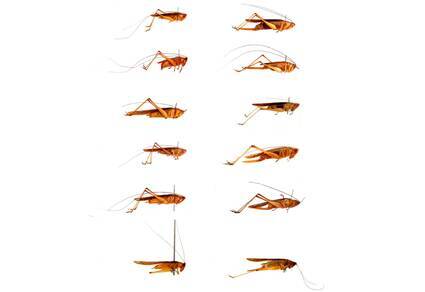
The meadows of Kashmir, known for their breathtaking beauty and diverse wildlife, have yielded a new discovery that is music to the ears of entomologists and nature enthusiasts alike. A team of researchers surveying the region has discovered three new species of “musical” meadow katydids, insects in the genus Conocephalus, previously unrecorded in the area. The findings, which have been published in a recent study, shed new light on the fascinating world of katydids and highlight the importance of continued exploration and documentation of the natural world.
The three new species, named C usmanii, C nagariensis, and C ganderbali, were discovered in the meadows of Kashmir after a thorough survey of the region. The team, comprising experts in entomology and ecology, conducted a detailed study of the katydid population in the area, using a combination of field observations, laboratory analysis, and statistical modeling. The results of the study revealed the presence of the three new species, which were previously unknown to science.
The genus Conocephalus, to which the new species belong, is commonly known as the “meadow katydids” or “long-winged katydids.” These insects are characterized by their distinctive long wings, which they use to produce a variety of sounds, including songs, calls, and warning signals. The sounds produced by katydids are often described as musical, with some species producing melodies that are reminiscent of bird songs or even music.
The discovery of the three new species in Kashmir is significant not only because it expands our knowledge of the katydid fauna in the region but also because it highlights the importance of conservation efforts in the area. The meadows of Kashmir are home to a diverse range of flora and fauna, and the discovery of new species underscores the need to protect and preserve these ecosystems for future generations.
In addition to the three new species, the team also recorded several other known katydid species in the region that were not previously documented there. One such species, C longipennis, is a common inhabitant of meadows and grasslands in other parts of the world, but its presence in Kashmir was not previously known. The discovery of this species, along with the three new species, highlights the importance of continued exploration and documentation of the natural world, even in areas that are thought to be well-studied.
The study of katydids and other insects is not only fascinating from a scientific perspective, but it also has important implications for conservation and ecology. Insects play a vital role in ecosystems, serving as pollinators, decomposers, and food sources for other animals. The loss of insect species can have significant cascading effects on ecosystems, leading to declines in biodiversity and ecosystem function.
The discovery of the three new species of katydids in Kashmir is a reminder of the importance of preserving and protecting natural habitats, not just for the insects themselves, but for the entire ecosystem. The meadows of Kashmir are a unique and special place, with a rich cultural and ecological heritage. Efforts to conserve and protect these ecosystems will not only help to preserve the natural beauty of the region but also ensure the long-term health and resilience of the ecosystem.
In conclusion, the discovery of three new species of “musical” katydids in Kashmir is a significant finding that highlights the importance of continued exploration and documentation of the natural world. The study of katydids and other insects is not only fascinating from a scientific perspective, but it also has important implications for conservation and ecology. As we continue to learn more about the natural world, we are reminded of the importance of preserving and protecting natural habitats, not just for the insects themselves, but for the entire ecosystem.
For more information on this study, please visit: https://mapress.com/zt/article/view/zootaxa.5737.4.4
News Source: https://mapress.com/zt/article/view/zootaxa.5737.4.4
About the Author