3 new species of ‘musical’ katydids discovered in Kashmir
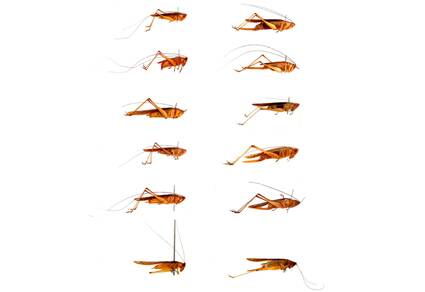
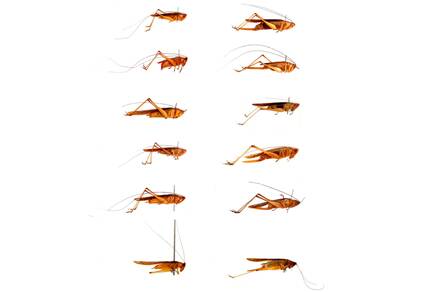
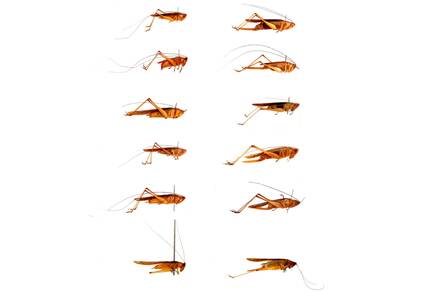
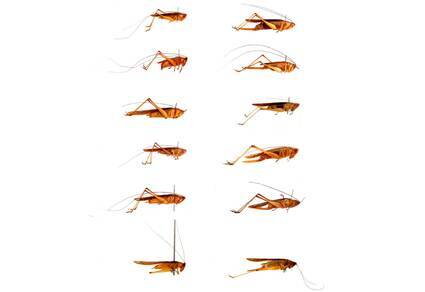
In a groundbreaking discovery, a team of researchers has identified three new species of “musical” meadow katydids in the picturesque region of Kashmir. The insects, belonging to the genus Conocephalus, were previously unrecorded in the area, and their discovery has shed new light on the diverse and vibrant ecosystem of the region. The new species, named C usmanii, C nagariensis, and C ganderbali, were discovered after a thorough survey of the meadows in Kashmir, and their unique characteristics have been documented in detail.
The team of researchers, who conducted the survey, were thrilled to discover the new species, which are known for their distinctive “musical” sounds. Katydids, also known as bush crickets, are insects that are capable of producing a wide range of sounds, from chirps to whistles, using their wings. These sounds are used for communication, mating, and territorial marking, and are an essential part of the katydid’s behavior.
The discovery of the new species was made possible by a comprehensive survey of the meadows in Kashmir, which involved collecting and studying specimens of katydids. The team used a combination of traditional methods, such as netting and trapping, as well as modern techniques, such as DNA analysis, to identify the new species. The results of the study were published in a recent issue of the journal Zootaxa, and provide a detailed description of the new species, including their morphology, behavior, and distribution.
The three new species, C usmanii, C nagariensis, and C ganderbali, are distinguishable from other katydid species by their unique characteristics, such as their body shape, coloration, and sound patterns. C usmanii, for example, has a distinctive yellowish-brown coloration, while C nagariensis has a more vibrant green color. C ganderbali, on the other hand, has a unique sound pattern, characterized by a series of high-pitched chirps.
In addition to the three new species, the team also recorded several other known katydid species in the region that were not previously documented there. One such species is C longipennis, a katydid with a distinctive long wing, which was found to be abundant in the meadows of Kashmir. The discovery of these additional species highlights the rich biodiversity of the region and underscores the importance of continued research and conservation efforts.
The discovery of the new species of katydids in Kashmir is significant not only because of the unique characteristics of the insects themselves but also because of the insights it provides into the ecosystem of the region. The meadows of Kashmir are home to a diverse range of flora and fauna, and the katydids play an important role in the food chain, serving as a food source for other animals, such as birds and small mammals.
The discovery also highlights the importance of preserving and protecting the natural habitats of these insects. The meadows of Kashmir are facing threats from human activities, such as agriculture, urbanization, and climate change, which can lead to habitat destruction and fragmentation. The loss of these habitats can have a devastating impact on the katydid populations, as well as other species that depend on them.
In conclusion, the discovery of the three new species of “musical” meadow katydids in Kashmir is a significant finding that highlights the rich biodiversity of the region. The unique characteristics of these insects, combined with their importance in the ecosystem, make them a fascinating subject of study. Further research is needed to fully understand the behavior, ecology, and conservation status of these species, and to develop effective strategies for protecting their habitats.
The discovery of the new species is a testament to the importance of continued research and exploration of the natural world. It also underscores the need for conservation efforts to protect the natural habitats of these insects, as well as other species that depend on them. As we continue to learn more about the natural world, we are reminded of the beauty, diversity, and complexity of the ecosystems that surround us, and the importance of preserving them for future generations.
The study was published in the journal Zootaxa, and can be accessed at the following link: https://mapress.com/zt/article/view/zootaxa.5737.4.4. The discovery of the new species is a significant addition to our knowledge of the katydid fauna of Kashmir, and highlights the importance of continued research and exploration of the region.
Source: https://mapress.com/zt/article/view/zootaxa.5737.4.4
About the Author