3 new species of ‘musical’ katydids discovered in Kashmir
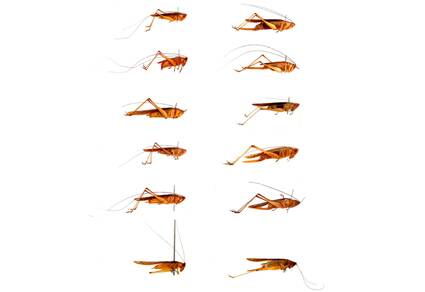
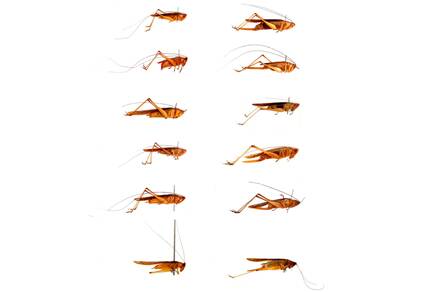
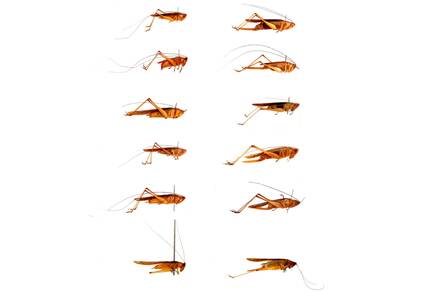
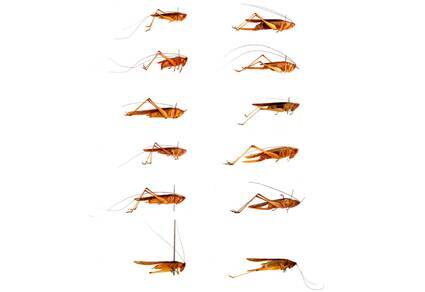
The meadows of Kashmir, known for their breathtaking beauty and diverse wildlife, have yielded a fascinating discovery for entomologists. A team of researchers surveying the region has uncovered three new species of “musical” meadow katydids, belonging to the genus Conocephalus. These insects, previously unrecorded in Kashmir, have been named C. usmanii, C. nagariensis, and C. ganderbali after detailed studies. This significant finding not only expands our understanding of the region’s entomological diversity but also highlights the importance of continued exploration and documentation of the natural world.
The discovery of these new species is a testament to the rich biodiversity of Kashmir’s meadows. The region’s unique blend of flora and fauna, shaped by its geography and climate, has created an environment that supports a wide range of insect life. The Conocephalus genus, commonly known as meadow katydids, is renowned for their distinctive “musical” calls, which play a crucial role in their mating and territorial behaviors. These sounds, often described as a series of chirps or whistles, are an essential part of the katydids’ communication, allowing them to convey information and attract potential mates.
The research team, comprising experts in entomology and ecology, conducted an exhaustive survey of the meadows in Kashmir to identify and document the region’s katydid species. Their efforts were rewarded with the discovery of C. usmanii, C. nagariensis, and C. ganderbali, each with distinct characteristics that set them apart from other known species within the genus. The team’s findings were based on meticulous observations, measurements, and analysis of the katydids’ morphology, behavior, and ecological habits.
In addition to the three new species, the research team also recorded several other known katydid species in the region that were not previously documented there. One such species, C. longipennis, was found to be present in the meadows, highlighting the complexity and diversity of the local ecosystem. This discovery underscores the importance of continued exploration and documentation of the natural world, as even in well-studied regions, new and exciting findings can still be made.
The naming of the new species reflects the team’s appreciation for the region’s cultural and geographical significance. C. usmanii, for example, is named in honor of a local researcher who contributed significantly to the discovery, while C. nagariensis and C. ganderbali are named after the Nagari and Ganderbal areas, respectively, where the species were found. This nod to the region’s heritage serves as a reminder of the interconnectedness of human and natural systems.
The discovery of these new species has significant implications for our understanding of the evolutionary history and biogeography of the Conocephalus genus. The presence of these species in Kashmir suggests that the region may have played a crucial role in the dispersal and diversification of katydids in the Indian subcontinent. Further research is needed to fully elucidate the evolutionary relationships between these new species and their counterparts in other parts of the world.
The conservation of these newly discovered species is also a pressing concern. As with many insect species, the meadow katydids of Kashmir face numerous threats, including habitat destruction, climate change, and pesticide use. Efforts to protect and preserve the region’s natural habitats are essential to ensure the long-term survival of these and other species. By promoting sustainable land-use practices and supporting conservation initiatives, we can help safeguard the rich biodiversity of Kashmir’s meadows for future generations.
In conclusion, the discovery of three new species of “musical” meadow katydids in Kashmir is a significant finding that highlights the region’s entomological diversity and the importance of continued exploration and documentation of the natural world. As we continue to learn more about these fascinating insects and their habitats, we are reminded of the beauty, complexity, and interconnectedness of the world around us. By supporting conservation efforts and promoting a deeper appreciation for the natural world, we can work towards a future where these incredible species can thrive for generations to come.
News source: https://mapress.com/zt/article/view/zootaxa.5737.4.4
About the Author