3 new species of ‘musical’ katydids discovered in Kashmir
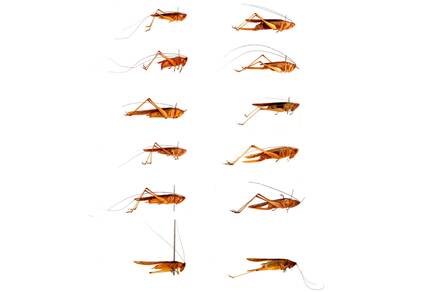
The meadows of Kashmir, known for their breathtaking beauty and diverse wildlife, have yielded a new discovery that is music to the ears of entomologists and nature lovers alike. A team of researchers surveying the region’s meadows has discovered three new species of “musical” meadow katydids, insects in the genus Conocephalus, previously unrecorded in the area. The discovery not only sheds light on the region’s rich biodiversity but also highlights the importance of continued exploration and documentation of the natural world.
The three new species, named C usmanii, C nagariensis, and C ganderbali, were identified after detailed studies of their morphology, behavior, and habitat. The team, which consisted of experts in entomology and ecology, conducted extensive field surveys in the meadows of Kashmir, collecting and analyzing samples of katydids. The research was meticulous, with the team carefully examining the insects’ physical characteristics, such as their body shape, color, and wing structure, as well as their behavior, including their mating habits and territorial displays.
The genus Conocephalus, to which the new species belong, is commonly known as meadow katydids or long-winged coneheads. These insects are characterized by their long, slender bodies and distinctive wing shape, which allows them to produce a wide range of sounds, including chirping, buzzing, and whistling. The sounds, which are often described as “musical,” are used for communication, mating, and territorial defense.
The discovery of the three new species in Kashmir is significant, as it highlights the region’s rich biodiversity and the need for continued exploration and documentation of the natural world. The meadows of Kashmir, with their unique combination of climate, geology, and vegetation, provide a habitat for a wide range of flora and fauna, many of which are found nowhere else in the world.
In addition to the three new species, the research team also recorded several known katydid species in the region that were not previously documented there. One such species, C longipennis, is a common meadow katydid found in many parts of the world, but its presence in Kashmir was not previously recorded. The discovery of this species, along with the three new ones, highlights the importance of continued surveying and documentation of the region’s wildlife.
The discovery of the new species of katydids in Kashmir is also significant from a conservation perspective. The meadows of Kashmir are facing numerous threats, including habitat destruction, pollution, and climate change, which can have devastating impacts on the region’s biodiversity. The discovery of new species highlights the need for conservation efforts to protect the region’s unique and fragile ecosystem.
The research team’s findings have been published in a scientific journal, providing a detailed account of the discovery, including the morphology, behavior, and habitat of the new species. The study provides a valuable contribution to the field of entomology and highlights the importance of continued exploration and documentation of the natural world.
In conclusion, the discovery of three new species of “musical” katydids in Kashmir is a significant finding that highlights the region’s rich biodiversity and the importance of continued exploration and documentation of the natural world. The discovery of these new species, along with the recording of additional known katydid species in the region, provides a valuable contribution to the field of entomology and underscores the need for conservation efforts to protect the region’s unique and fragile ecosystem.
As we continue to explore and learn more about the natural world, discoveries like this remind us of the importance of preserving and protecting our planet’s biodiversity. The meadows of Kashmir, with their unique combination of climate, geology, and vegetation, provide a habitat for a wide range of flora and fauna, many of which are found nowhere else in the world. It is our responsibility to ensure that these ecosystems are protected and preserved for future generations.
For more information on this discovery, please visit: https://mapress.com/zt/article/view/zootaxa.5737.4.4
News Source: https://mapress.com/zt/article/view/zootaxa.5737.4.4
About the Author