3 new species of ‘musical’ katydids discovered in Kashmir
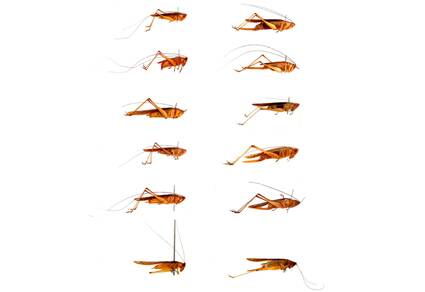
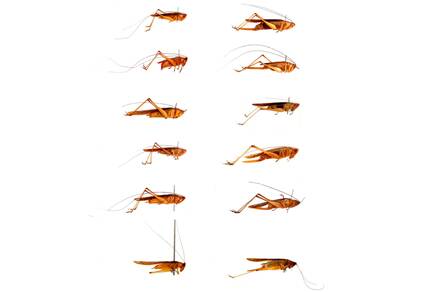
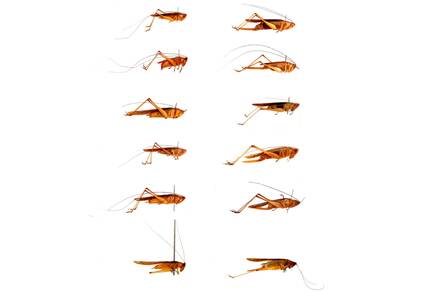
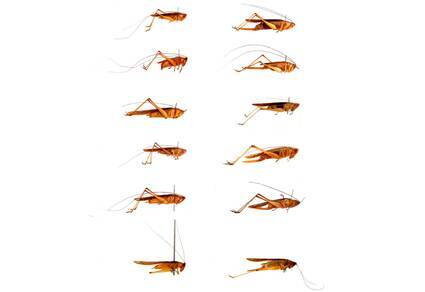
The meadows of Kashmir, known for their breathtaking beauty and diverse wildlife, have yielded a new discovery that is sure to delight entomologists and nature enthusiasts alike. A team of researchers surveying the region has discovered three new species of “musical” meadow katydids, insects in the genus Conocephalus, which were previously unrecorded in the area. The findings, which shed new light on the region’s insect diversity, have been published in a recent study.
The three new species, named C usmanii, C nagariensis, and C ganderbali, were identified after detailed studies of their morphology, behavior, and habitats. The researchers, who conducted extensive field surveys in the meadows of Kashmir, used a combination of traditional taxonomic methods and modern techniques, such as molecular analysis, to confirm the discovery of the new species.
The genus Conocephalus, commonly known as meadow katydids, is a group of insects that are widely distributed across the world. They are known for their distinctive “singing” behavior, where males produce a musical sound using their wings to attract females. The sound, which is often described as a continuous, high-pitched chirping, is a key characteristic of these insects and plays a crucial role in their mating behavior.
The discovery of the three new species in Kashmir is significant, as it highlights the region’s rich biodiversity and the need for further exploration and conservation efforts. The researchers also recorded additional known katydid species in the region that were not previously documented there, such as C longipennis. This suggests that the region’s insect fauna is more diverse than previously thought, and that further studies are needed to fully understand the extent of this diversity.
The new species, C usmanii, C nagariensis, and C ganderbali, are distinguishable from other Conocephalus species by their unique characteristics, such as their body shape, color patterns, and wing morphology. C usmanii, for example, has a distinctive yellowish-brown color with dark brown stripes, while C nagariensis has a more vibrant green color with yellowish-brown wings. C ganderbali, on the other hand, has a darker brown color with distinctive white stripes on its wings.
The researchers’ findings have important implications for our understanding of the evolution and diversity of katydids in the region. The discovery of the new species suggests that the genus Conocephalus is more diverse than previously thought, and that the region’s unique geography and climate may have played a role in the evolution of these new species.
The study also highlights the importance of conservation efforts in the region. The meadows of Kashmir are facing numerous threats, including habitat destruction, pollution, and climate change, which could have a devastating impact on the region’s insect diversity. The discovery of the new species underscores the need for urgent conservation action to protect these unique ecosystems and the insects that inhabit them.
In conclusion, the discovery of the three new species of “musical” meadow katydids in Kashmir is a significant finding that sheds new light on the region’s insect diversity. The study highlights the importance of continued exploration and conservation efforts in the region, and demonstrates the value of interdisciplinary research in advancing our understanding of the natural world.
The discovery of the new species is a testament to the region’s rich biodiversity and the importance of preserving it for future generations. As we continue to face the challenges of climate change, habitat destruction, and species extinction, it is more important than ever to prioritize conservation efforts and protect the unique ecosystems that support our planet’s incredible diversity of life.
For more information on the study, please visit: https://mapress.com/zt/article/view/zootaxa.5737.4.4
News Source: https://mapress.com/zt/article/view/zootaxa.5737.4.4
About the Author