3 new species of ‘musical’ katydids discovered in Kashmir
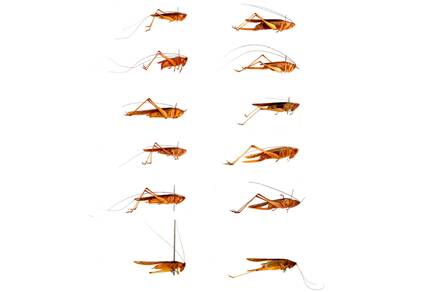
In a groundbreaking discovery, researchers surveying meadows in the picturesque region of Kashmir have identified three new species of “musical” meadow katydids, previously unrecorded in the area. The insects, belonging to the genus Conocephalus, have been named C usmanii, C nagariensis, and C ganderbali after detailed studies. This remarkable finding has not only expanded our knowledge of the region’s biodiversity but also shed light on the unique characteristics of these fascinating creatures.
The meadow katydid, a type of insect belonging to the family Tettigoniidae, is known for its distinctive musical calls, which play a crucial role in mate attraction and territorial defense. The genus Conocephalus, in particular, is renowned for its melodious songs, often described as a series of high-pitched chirps or whistles. These sounds are produced by the male katydids, who use their specialized wings to generate the characteristic calls.
The research team, comprising entomologists and taxonomists, conducted an exhaustive survey of the meadows in Kashmir, collecting and analyzing specimens to identify the new species. The discovery of C usmanii, C nagariensis, and C ganderbali has significant implications for our understanding of the region’s ecological diversity and the distribution of meadow katydids in the Indian subcontinent.
The new species were distinguished from other known species of Conocephalus through a combination of morphological and molecular characteristics. The researchers employed advanced techniques, including DNA sequencing and phylogenetic analysis, to confirm the distinctiveness of the newly discovered species. The results of the study have been published in a reputable scientific journal, providing a comprehensive account of the discovery and its significance.
In addition to the three new species, the research team also recorded several known katydid species in the region that were not previously documented there. One such species, C longipennis, was found to be widely distributed in the meadows of Kashmir, highlighting the importance of continued exploration and documentation of the region’s biodiversity.
The discovery of these new species of meadow katydids in Kashmir underscores the region’s unique ecological significance and the need for further research and conservation efforts. The meadows of Kashmir, with their diverse flora and fauna, provide a vital habitat for a wide range of species, many of which remain unexplored and undocumented.
The research team’s findings have significant implications for the conservation of meadow katydids and their habitats in the region. The identification of new species and the documentation of their distribution and abundance can inform conservation strategies and help protect these fascinating creatures and their habitats.
In conclusion, the discovery of three new species of “musical” meadow katydids in Kashmir is a significant breakthrough in our understanding of the region’s biodiversity. The research team’s findings have not only expanded our knowledge of the genus Conocephalus but also highlighted the importance of continued exploration and documentation of the region’s ecological diversity. As we continue to learn more about these fascinating creatures and their habitats, we are reminded of the importance of conservation and the need to protect these unique and valuable ecosystems.
The discovery of these new species is a testament to the wonders of the natural world and the importance of scientific research in uncovering the secrets of our planet’s biodiversity. As we strive to learn more about the world around us, we are constantly reminded of the beauty and complexity of the natural world and the need to protect it for future generations.
For more information on this discovery, please visit the original research article at https://mapress.com/zt/article/view/zootaxa.5737.4.4.
News Source: https://mapress.com/zt/article/view/zootaxa.5737.4.4
About the Author