3 new species of ‘musical’ katydids discovered in Kashmir
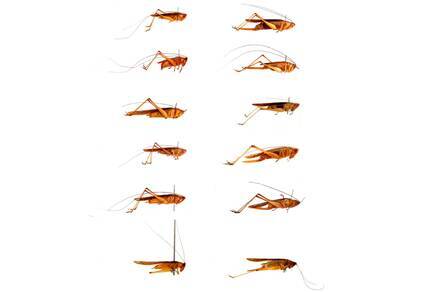
In a fascinating discovery, researchers surveying meadows in Kashmir have stumbled upon three new species of “musical” meadow katydids, previously unrecorded in the region. The insects, belonging to the genus Conocephalus, have been named C usmanii, C nagariensis, and C ganderbali after detailed studies. This breakthrough finding not only sheds light on the rich biodiversity of the region but also highlights the importance of continued exploration and documentation of the natural world.
The team of researchers, comprised of entomologists and zoologists, conducted an exhaustive survey of the meadows in Kashmir, carefully collecting and analyzing specimens of katydids. The region’s unique geography and climate make it an ideal habitat for a diverse range of flora and fauna, including the katydid species. Through their meticulous work, the researchers were able to identify the three new species, which were previously unknown to science.
The newly discovered species, C usmanii, C nagariensis, and C ganderbali, are characterized by their distinctive physical features and unique songs. Katydids, also known as bush crickets, are known for their ability to produce sound, which plays a crucial role in their mating and territorial behaviors. The “musical” aspect of these insects refers to the melodious songs they produce, which are often used to attract mates or warn off rivals.
The discovery of these new species is significant not only because of their unique characteristics but also because of the insights they provide into the evolutionary history of the region. The Kashmir valley, nestled in the Himalayan mountains, has a complex geological history, with multiple periods of glaciation and tectonic activity shaping the landscape. The presence of these new species suggests that the region has been a haven for biodiversity, with many species evolving and adapting to the unique conditions over millions of years.
In addition to the three new species, the research team also recorded several other known katydid species in the region that were not previously documented there. One such species, C longipennis, is a widespread species found in many parts of the world, but its presence in Kashmir was not previously known. This finding highlights the importance of continued exploration and documentation of the natural world, as even in well-studied regions, there may be many species that remain undiscovered or unrecorded.
The discovery of these new species of katydids in Kashmir is a testament to the rich biodiversity of the region and the importance of preserving and protecting it. The region’s unique geography and climate make it a hotspot for biodiversity, with many species found nowhere else in the world. However, the region is also facing numerous threats, including habitat destruction, climate change, and human-wildlife conflict, which could have devastating impacts on the local ecosystem.
The research team’s findings have significant implications for conservation efforts in the region. By highlighting the presence of these new species, the study emphasizes the need for targeted conservation efforts to protect the region’s unique biodiversity. This could include the establishment of protected areas, such as national parks or wildlife sanctuaries, as well as community-based conservation initiatives that involve local stakeholders in the protection of the region’s natural resources.
In conclusion, the discovery of three new species of “musical” katydids in Kashmir is a significant breakthrough that highlights the region’s rich biodiversity and the importance of continued exploration and documentation of the natural world. The findings of the research team have important implications for conservation efforts in the region and emphasize the need for targeted initiatives to protect the region’s unique ecosystem. As we continue to explore and learn more about the natural world, we are reminded of the importance of preserving and protecting it for future generations.
Source: https://mapress.com/zt/article/view/zootaxa.5737.4.4
About the Author