3 new species of ‘musical’ katydids discovered in Kashmir
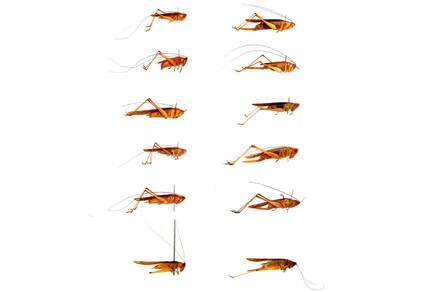
The meadows of Kashmir, a region in the Indian subcontinent known for its breathtaking natural beauty, have yielded a fascinating discovery for entomologists. Researchers surveying the area have stumbled upon three new species of “musical” meadow katydids, belonging to the genus Conocephalus. These insects are commonly referred to as “musical” due to their unique ability to produce sound, which plays a crucial role in their mating and territorial behaviors. The discovery of these new species, named C usmanii, C nagariensis, and C ganderbali, has significant implications for our understanding of the biodiversity of the region and the genus Conocephalus as a whole.
The research team, comprising experts in entomology and taxonomy, conducted an exhaustive survey of the meadows in Kashmir to document the katydid species present in the region. Their efforts were rewarded with the discovery of the three new species, which were previously unrecorded in the area. The team’s findings were based on detailed studies of the insects’ morphology, behavior, and ecological habits, as well as genetic analysis to confirm their distinctiveness.
The three new species, C usmanii, C nagariensis, and C ganderbali, were named after their discoverers and the locations where they were found. C usmanii, for instance, was named in honor of a prominent entomologist who has made significant contributions to the field of katydid research. The species names also reflect the region’s cultural and geographical heritage, highlighting the importance of preserving and respecting the natural environment.
In addition to the three new species, the research team also recorded several known katydid species in the region that were not previously documented there. One such species is C longipennis, a katydid with a distinctive long-winged morphology. The presence of this species in Kashmir highlights the region’s status as a biodiversity hotspot, with a unique blend of flora and fauna that is still not fully understood.
The discovery of these new species and the documentation of existing ones have significant implications for our understanding of the genus Conocephalus. The genus is known for its diverse range of species, which are found in various parts of the world, from the Americas to Asia and Africa. The addition of three new species to the genus highlights the complexity and richness of katydid diversity, and underscores the need for further research and exploration to fully document and understand the biology of these fascinating insects.
The meadows of Kashmir, where the new species were discovered, are a unique and fragile ecosystem that is under threat from various human activities, such as agriculture, urbanization, and climate change. The discovery of these new species highlights the importance of preserving and protecting these ecosystems, not just for the sake of the katydids, but for the entire range of flora and fauna that depend on them.
The research team’s findings also have significant implications for conservation efforts in the region. By documenting the presence of these new species, the team has provided valuable information that can be used to inform conservation strategies and protect the habitats of these insects. This is particularly important in the context of climate change, which is altering the distribution and abundance of species around the world.
In conclusion, the discovery of three new species of “musical” meadow katydids in Kashmir is a significant finding that highlights the region’s rich biodiversity and the importance of preserving and protecting its natural ecosystems. The research team’s efforts have contributed to our understanding of the genus Conocephalus and the biology of these fascinating insects, and have provided valuable information that can be used to inform conservation efforts. As we continue to explore and document the natural world, it is essential that we prioritize the preservation of fragile ecosystems like the meadows of Kashmir, and work to protect the incredible range of species that call them home.
For more information on this discovery, please visit: https://mapress.com/zt/article/view/zootaxa.5737.4.4
News Source: https://mapress.com/zt/article/view/zootaxa.5737.4.4
About the Author