3 new species of ‘musical’ katydids discovered in Kashmir
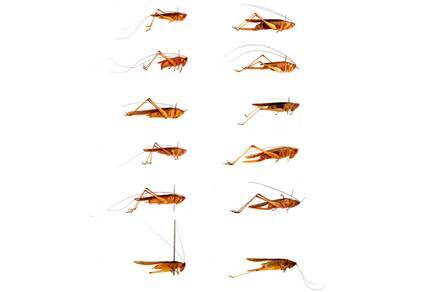
In a groundbreaking discovery, a team of researchers has identified three new species of “musical” meadow katydids in the picturesque region of Kashmir. The insects, belonging to the genus Conocephalus, were previously unrecorded in the area, shedding new light on the region’s rich biodiversity. The findings, which were made possible through an exhaustive survey of meadows in Kashmir, have significant implications for our understanding of the region’s ecosystem and the importance of conservation efforts.
The three new species, named C usmanii, C nagariensis, and C ganderbali, were discovered after a thorough analysis of their physical characteristics, behavior, and habitat. The researchers conducted detailed studies, including observations of the insects’ morphology, stridulation patterns, and ecological preferences. The results of these studies were then compared to existing data on known katydid species, confirming the discovery of the three new species.
The genus Conocephalus, to which these new species belong, is commonly referred to as “musical” katydids due to the distinctive songs produced by males to attract females. These songs, which are generated by the insects’ stridulation, can be heard for long distances and play a crucial role in the mating process. The discovery of these new species highlights the importance of preserving the natural habitats of these insects, which are often found in meadows and grasslands.
In addition to the three new species, the research team also recorded several other known katydid species in the region that were not previously documented there. One such species, C longipennis, was found to be present in the area, providing valuable insights into the distribution and diversity of katydids in Kashmir. These findings underscore the need for further research and exploration of the region’s insect fauna, which remains poorly understood.
The discovery of these new species has significant implications for conservation efforts in the region. Kashmir, with its unique geography and climate, is home to a diverse range of flora and fauna, many of which are found nowhere else in the world. However, the region’s ecosystem is facing numerous threats, including habitat destruction, climate change, and human activities such as agriculture and urbanization. The identification of these new species highlights the need for urgent action to protect the region’s natural habitats and preserve its biodiversity.
The research team’s findings also demonstrate the importance of collaborative efforts in advancing our understanding of the natural world. By working together, scientists and researchers can pool their expertise and resources to make new discoveries and shed light on previously unknown aspects of the natural world. In this case, the collaboration between researchers has resulted in a significant contribution to our knowledge of the insect fauna of Kashmir, highlighting the region’s importance as a hub of biodiversity.
The discovery of these new species is a testament to the wonders of the natural world and the importance of continued exploration and research. As we continue to learn more about the world around us, we are reminded of the need to protect and preserve our planet’s precious biodiversity. The identification of C usmanii, C nagariensis, and C ganderbali serves as a powerful reminder of the importance of conservation efforts and the need to safeguard the natural habitats of these incredible insects.
In conclusion, the discovery of three new species of “musical” katydids in Kashmir is a significant breakthrough that highlights the region’s rich biodiversity and the importance of conservation efforts. The findings of the research team demonstrate the need for further research and exploration of the region’s insect fauna, as well as the importance of protecting the natural habitats of these incredible insects. As we continue to learn more about the natural world, we are reminded of the need to preserve our planet’s precious biodiversity for future generations.
For more information on this discovery, please visit: https://mapress.com/zt/article/view/zootaxa.5737.4.4
News source: https://mapress.com/zt/article/view/zootaxa.5737.4.4
About the Author