3 new species of ‘musical’ katydids discovered in Kashmir
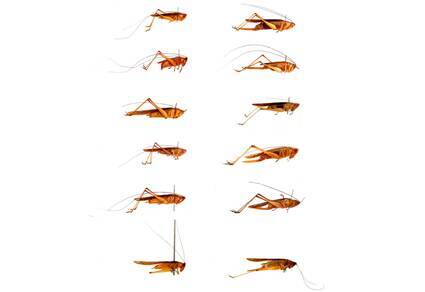
In a groundbreaking discovery, researchers surveying meadows in Kashmir have identified three new species of “musical” meadow katydids, previously unrecorded in the region. The insects, belonging to the genus Conocephalus, have been named C usmanii, C nagariensis, and C ganderbali after detailed studies. This remarkable finding not only sheds light on the diverse insect fauna of Kashmir but also highlights the importance of continued exploration and research in the field of entomology.
The discovery was made by a team of researchers who conducted an extensive survey of meadows in Kashmir, a region known for its rich biodiversity. The team’s efforts were focused on documenting the katydid species present in the area, with a particular emphasis on the genus Conocephalus. Katydid, also known as bush crickets, are insects that belong to the family Tettigoniidae. They are known for their distinctive stridulation, which is the process of producing sound by rubbing their wings together. This unique ability has earned them the nickname “musical” katydids.
The three new species discovered in Kashmir, C usmanii, C nagariensis, and C ganderbali, are characterized by their distinctive physical features and stridulation patterns. C usmanii, for example, has a unique combination of green and brown coloration on its body, while C nagariensis has a distinctive shape to its wings. C ganderbali, on the other hand, has a unique stridulation pattern that sets it apart from other katydid species.
In addition to the three new species, the research team also recorded several other known katydid species in the region that were not previously documented there. One such species is C longipennis, a katydid known for its long wings and distinctive stridulation pattern. The discovery of these species highlights the rich diversity of katydids in Kashmir and underscores the need for continued research and exploration in the region.
The discovery of these new species is significant not only for the field of entomology but also for our understanding of the natural world. Insects like katydids play a crucial role in ecosystems, serving as both predators and prey for other animals. They also contribute to the decomposition process, helping to break down organic matter and recycle nutrients. By studying these insects, researchers can gain a deeper understanding of the complex relationships within ecosystems and the importance of preserving biodiversity.
The research team’s findings have been published in a scientific journal, providing a detailed account of the discovery and characteristics of the new species. The study provides a comprehensive overview of the katydid fauna in Kashmir, including the distribution, habitat, and behavior of the different species. The research also highlights the importance of continued exploration and research in the field of entomology, particularly in regions like Kashmir that are known for their rich biodiversity.
The discovery of the three new species of “musical” katydids in Kashmir is a testament to the wonders of the natural world and the importance of preserving biodiversity. As we continue to explore and learn more about the world around us, we are reminded of the awe-inspiring complexity and beauty of the natural world. The findings of the research team serve as a reminder of the importance of continued research and exploration, particularly in regions like Kashmir that are home to a rich array of flora and fauna.
In conclusion, the discovery of three new species of “musical” katydids in Kashmir is a significant finding that highlights the importance of continued exploration and research in the field of entomology. The study provides a comprehensive overview of the katydid fauna in Kashmir, including the distribution, habitat, and behavior of the different species. As we continue to learn more about the natural world, we are reminded of the importance of preserving biodiversity and protecting the delicate balance of ecosystems.
For more information on this discovery, please visit the following link: https://mapress.com/zt/article/view/zootaxa.5737.4.4
News Source: https://mapress.com/zt/article/view/zootaxa.5737.4.4
About the Author