3 new species of ‘musical’ katydids discovered in Kashmir
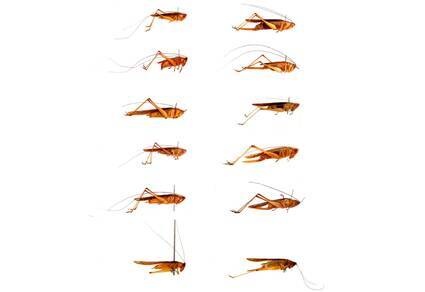
The meadows of Kashmir, known for their breathtaking beauty and diverse wildlife, have yielded a new discovery that is music to the ears of entomologists and nature enthusiasts alike. A team of researchers surveying the region has stumbled upon three new species of “musical” meadow katydids, belonging to the genus Conocephalus. These insects, previously unrecorded in Kashmir, have been named C usmanii, C nagariensis, and C ganderbali after detailed studies. The discovery not only sheds light on the rich biodiversity of the region but also highlights the importance of continued exploration and documentation of the natural world.
The genus Conocephalus, commonly known as meadow katydids, is a group of insects renowned for their distinctive musical calls. These sounds, often used for mating and territorial purposes, are a characteristic feature of the species and have fascinated scientists and naturalists for centuries. The discovery of three new species in Kashmir adds to the growing list of Conocephalus species found in the Indian subcontinent, and underscores the region’s significance as a hotspot for insect diversity.
The research team, which conducted extensive surveys of the meadows in Kashmir, employed a combination of traditional taxonomic methods and modern techniques such as DNA analysis to identify and describe the new species. The findings, published in a recent issue of the journal Zootaxa, provide a comprehensive account of the morphology, behavior, and distribution of the newly discovered katydids.
According to the study, the three new species, C usmanii, C nagariensis, and C ganderbali, exhibit distinct characteristics that set them apart from other known species of Conocephalus. The species have been named after local geographical features and prominent figures, reflecting the region’s rich cultural and natural heritage. The team also recorded several other known katydid species in the region, including C longipennis, which was not previously documented in Kashmir.
The discovery of these new species highlights the importance of continued exploration and documentation of the natural world. Despite being a relatively well-studied group, the genus Conocephalus still holds many secrets, and the discovery of new species in Kashmir is a testament to the region’s untapped biodiversity. The findings also underscore the need for conservation efforts to protect these unique and fascinating insects, which play a vital role in maintaining the ecological balance of the meadows.
The meadows of Kashmir, with their unique combination of climate, geology, and vegetation, provide a unique habitat for a wide range of flora and fauna. The region’s biodiversity is characterized by a mix of temperate and tropical species, reflecting its location at the crossroads of the Indian subcontinent and the Himalayan mountain range. The discovery of new species in this region is a reminder of the importance of preserving and protecting these ecosystems, which are facing increasing threats from human activities such as deforestation, urbanization, and climate change.
The study of insects like the meadow katydids also has significant implications for our understanding of the natural world and the development of new technologies. The unique characteristics of these insects, such as their ability to produce complex musical calls, have inspired researchers to develop new materials and technologies, such as more efficient sound-producing devices and advanced sensors.
In conclusion, the discovery of three new species of “musical” meadow katydids in Kashmir is a significant finding that highlights the region’s rich biodiversity and the importance of continued exploration and documentation of the natural world. The study of these fascinating insects not only sheds light on the unique characteristics of the species but also has significant implications for our understanding of the natural world and the development of new technologies. As we continue to explore and learn more about the natural world, it is essential that we also take steps to protect and preserve these unique ecosystems, which are facing increasing threats from human activities.
For more information on this discovery, please visit: https://mapress.com/zt/article/view/zootaxa.5737.4.4
News Source: https://mapress.com/zt/article/view/zootaxa.5737.4.4
About the Author