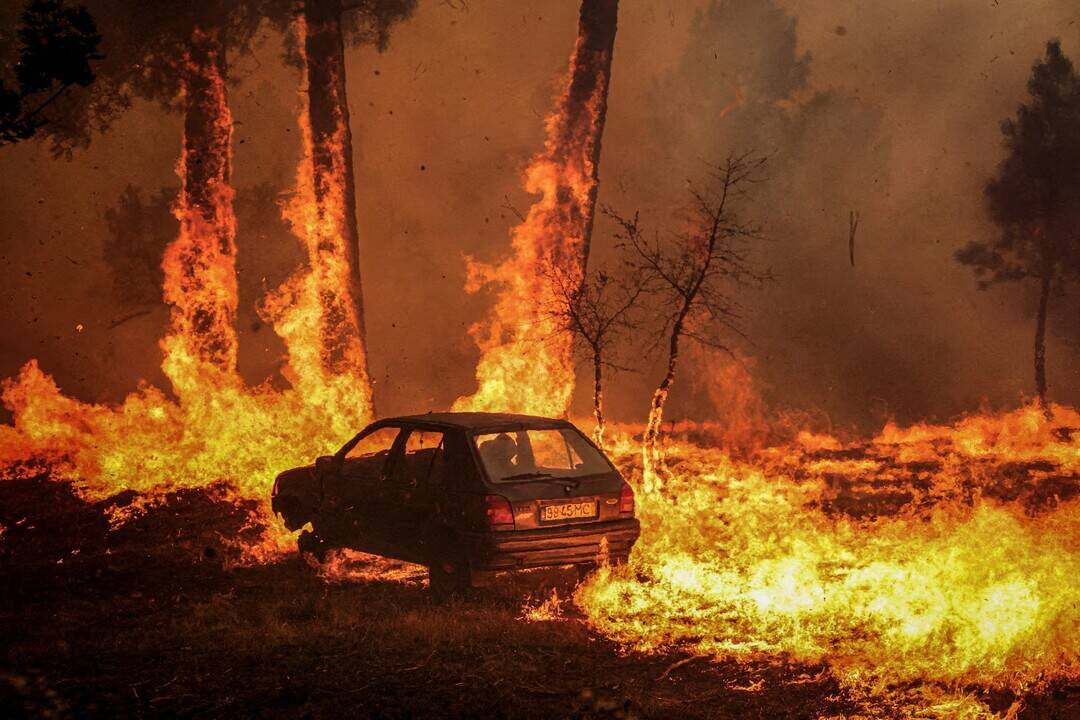
2025 set to be the 2nd or 3rd-hottest year ever: Scientists
The world is bracing itself for yet another record-breaking year of high temperatures, with scientists predicting that 2025 will be the second or third-warmest year on record. This alarming forecast comes from the European Union’s Copernicus Climate Change Service (C3S), which has been tracking global temperatures and climate patterns. According to their latest report, this year is set to surpass all previous years, except for 2024, in terms of average global temperature.
The news is particularly concerning, as it suggests that the planet is experiencing an accelerating rate of climate change. The average global temperature is likely to exceed 1.5 degrees Celsius above the 1850-1900 pre-industrial period, marking the first three-year period in which this threshold has been breached. This is a stark warning that the world is not doing enough to reduce greenhouse gas emissions and mitigate the effects of climate change.
The Copernicus Climate Change Service (C3S) is a reputable and reliable source of climate data, providing regular updates on global temperatures, sea ice coverage, and other climate indicators. Their reports are based on a combination of satellite and ground-based measurements, as well as computer models that simulate the behavior of the climate system. The C3S is part of the European Union’s Copernicus program, which aims to provide accurate and timely information on the environment and climate.
The prediction that 2025 will be the second or third-warmest year on record is based on an analysis of global temperature data from January to November. During this period, the average global temperature was 1.53 degrees Celsius above the pre-industrial baseline, which is higher than the average for the same period in 2023. The C3S scientists used a combination of observational data and computer models to make their forecast, taking into account factors such as sea surface temperatures, atmospheric circulation patterns, and volcanic eruptions.
The implications of this forecast are far-reaching and alarming. Rising global temperatures are associated with a range of devastating impacts, including more frequent and severe heatwaves, droughts, and storms. These events can have catastrophic consequences for human health, food security, and the economy. Moreover, the accelerating rate of climate change threatens to destabilize ecosystems, leading to the loss of biodiversity and the disruption of essential services such as pollination and pest control.
The fact that 2025 is likely to be the second or third-warmest year on record, after 2024, suggests that the planet is experiencing a prolonged period of exceptional warmth. This is consistent with the long-term trend of rising global temperatures, which is driven by the increasing levels of greenhouse gases in the atmosphere. The concentration of carbon dioxide, the most potent greenhouse gas, has risen by over 40% since the pre-industrial period, primarily due to fossil fuel burning and land use changes.
The C3S report highlights the urgent need for climate action, emphasizing the importance of reducing greenhouse gas emissions and transitioning to a low-carbon economy. The European Union has set ambitious targets to reduce its emissions by at least 55% by 2030, compared to 1990 levels, and to become carbon neutral by 2050. However, more needs to be done to address the global nature of the climate crisis, which requires international cooperation and collective action.
In conclusion, the forecast that 2025 will be the second or third-warmest year on record is a stark reminder of the climate crisis that the world is facing. The accelerating rate of climate change, marked by rising global temperatures and extreme weather events, demands immediate attention and action. It is essential that governments, businesses, and individuals work together to reduce greenhouse gas emissions, invest in renewable energy, and protect the natural systems that sustain life on Earth.
As the world looks to the future, it is clear that the next few years will be critical in determining the course of the climate crisis. The predictions made by the Copernicus Climate Change Service (C3S) serve as a warning, emphasizing the need for urgent and sustained action to mitigate the effects of climate change. By working together and taking bold steps to reduce our carbon footprint, we can hope to avoid the most catastrophic consequences of climate change and create a more sustainable and resilient future for all.
About the Author