2025 set to be the 2nd or 3rd-hottest year ever: Scientists
The European Union’s Copernicus Climate Change Service (C3S) have made a startling announcement, stating that 2025 is on track to become the world’s second or third-warmest year on record, following closely behind 2024. This news comes as a stark reminder of the accelerating rate of climate change, with the average global temperature poised to exceed 1.5 degrees Celsius above the 1850-1900 pre-industrial period for the first time in a three-year period.
The C3S, a leading authority on climate change, has been closely monitoring global temperatures and has observed a consistent upward trend in recent years. The data suggests that 2025 will likely join the ranks of the top three warmest years on record, with 2024 being the hottest year ever recorded. This is a clear indication that the planet is continuing to warm at an alarming rate, with far-reaching consequences for the environment, ecosystems, and human societies.
The significance of exceeding 1.5 degrees Celsius above the pre-industrial period cannot be overstated. This threshold, agreed upon by world leaders at the Paris Climate Agreement in 2015, marks a critical point beyond which the effects of climate change are expected to become significantly more severe and irreversible. The fact that we are now witnessing a three-year period in which the average global temperature has surpassed this threshold is a clear warning sign that urgent action is needed to mitigate the effects of climate change.
The C3S has attributed the rising global temperatures to a combination of factors, including the increasing levels of greenhouse gases in the atmosphere, such as carbon dioxide and methane, as well as natural climate variability. The El Niño-Southern Oscillation (ENSO), a natural climate cycle that affects global temperatures, has also played a role in the recent warming trend.
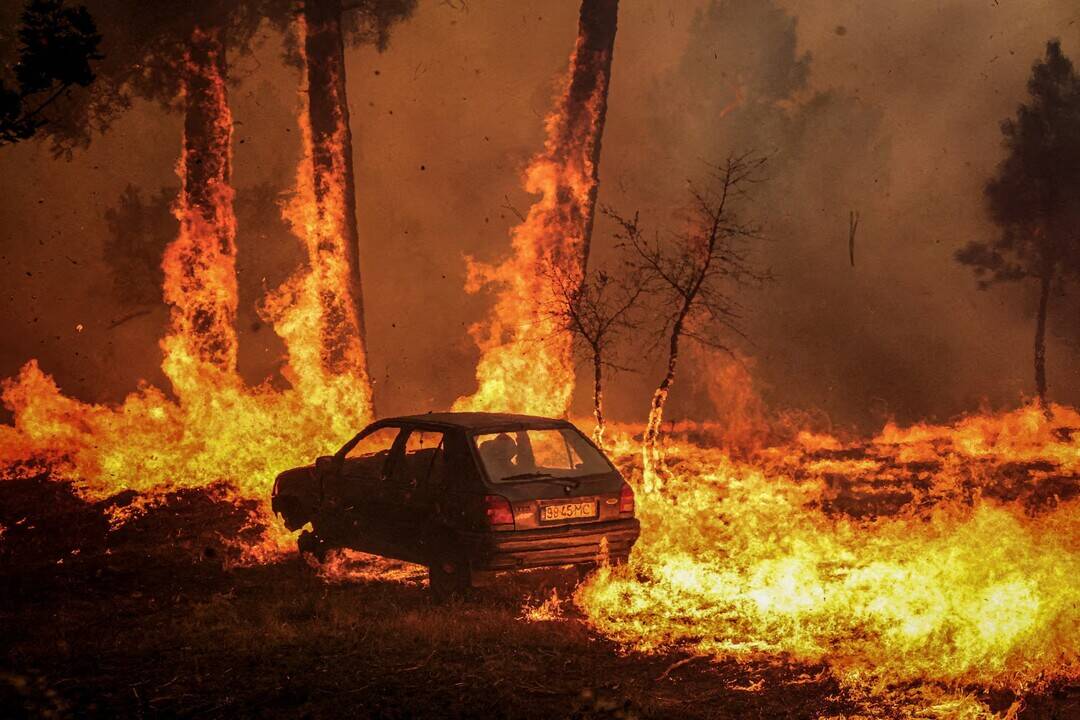
The implications of this trend are far-reaching and have significant consequences for the environment, human health, and the economy. Rising temperatures are expected to lead to more frequent and severe heatwaves, droughts, and extreme weather events, such as hurricanes and wildfires. This, in turn, can have devastating effects on ecosystems, biodiversity, and human settlements, particularly in vulnerable regions such as low-lying coastal areas and island nations.
Furthermore, the economic costs of climate change are likely to be substantial, with estimates suggesting that the global economy could suffer losses of up to 11% of GDP by 2100 if greenhouse gas emissions continue to rise unchecked. The World Health Organization (WHO) has also warned that climate change poses a significant threat to human health, with increased risks of heat stress, respiratory problems, and the spread of disease.
In light of these findings, it is clear that urgent action is needed to reduce greenhouse gas emissions and mitigate the effects of climate change. The European Union’s commitment to reducing emissions by at least 55% by 2030 is a step in the right direction, but more needs to be done to achieve the goals of the Paris Climate Agreement.
Governments, businesses, and individuals must work together to transition to renewable energy sources, increase energy efficiency, and protect natural carbon sinks such as forests and wetlands. The development and deployment of climate-resilient infrastructure, such as sea walls and green roofs, can also help to reduce the risks associated with extreme weather events.
In conclusion, the news that 2025 is set to become the world’s second or third-warmest year on record is a stark reminder of the urgent need for action on climate change. The science is clear: the planet is warming at an alarming rate, and the consequences of inaction will be severe and far-reaching. It is up to us to take immediate and collective action to reduce greenhouse gas emissions and mitigate the effects of climate change, ensuring a safer and more sustainable future for generations to come.
About the Author