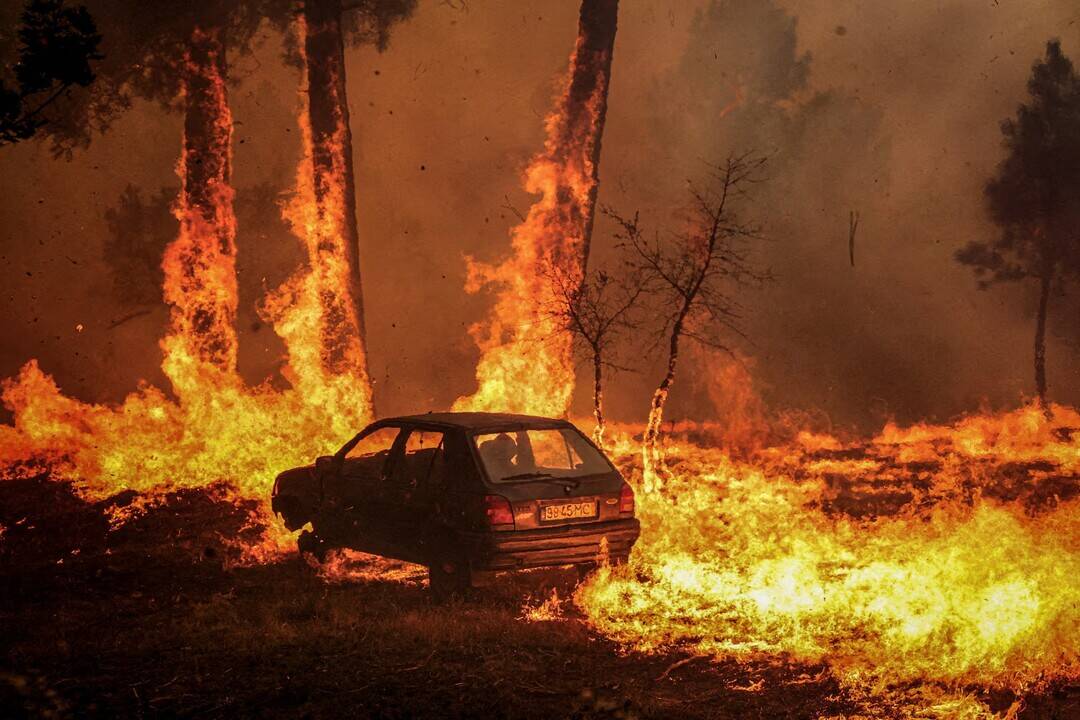
2025 set to be the 2nd or 3rd-hottest year ever: Scientists
As the year 2025 draws to a close, scientists are warning that it is on track to become the second or third-warmest year on record, surpassing even the most dire predictions. According to the European Union’s Copernicus Climate Change Service (C3S), this year’s global temperatures are projected to exceed those of all but one or two previous years, with 2024 being the hottest year on record. This ominous forecast is a stark reminder of the accelerating rate of climate change, which is having far-reaching consequences for our planet and its inhabitants.
The C3S has been closely monitoring global temperatures throughout the year, using a combination of satellite and ground-based measurements to track changes in the climate. Their data suggests that 2025 will likely be the second or third-warmest year on record, with an average global temperature of around 1.5 degrees Celsius above the 1850-1900 pre-industrial period. This is a significant milestone, as it marks the first time that the average global temperature has exceeded 1.5 degrees Celsius for three consecutive years.
The implications of this trend are profound. Rising global temperatures are associated with more frequent and severe heatwaves, droughts, and storms, which can have devastating impacts on ecosystems, economies, and human health. The World Health Organization (WHO) has estimated that between 2030 and 2050, climate change will cause approximately 250,000 additional deaths per year, mainly due to malnutrition, malaria, diarrhea, and heat stress.
Furthermore, the accelerated rate of climate change is having a disproportionate impact on vulnerable populations, including low-lying coastal communities, indigenous peoples, and small-island nations. These communities are often least equipped to adapt to the changing climate, and are already experiencing the worst effects of rising sea levels, more frequent natural disasters, and disrupted food systems.
The scientific consensus is clear: human activities, particularly the burning of fossil fuels and deforestation, are releasing large amounts of greenhouse gases, such as carbon dioxide and methane, into the atmosphere, leading to a global average temperature increase of over 1 degree Celsius since the late 19th century. This is a pressing global issue that requires immediate attention and collective action.
In response to this crisis, governments, businesses, and civil society organizations are coming together to reduce greenhouse gas emissions and transition to renewable energy sources. The Paris Agreement, adopted in 2015, sets a goal to limit global warming to well below 2 degrees Celsius and pursue efforts to limit it to 1.5 degrees Celsius above pre-industrial levels. However, current country pledges under the agreement are insufficient to meet this goal, and more ambitious action is needed to avoid the most catastrophic consequences of climate change.
As we look to the future, it is clear that 2025 will be a pivotal year in the fight against climate change. The upcoming COP28 climate summit in Dubai will provide a critical opportunity for world leaders to come together and agree on more ambitious emission reduction targets, as well as provide financial and technological support to vulnerable countries.
In conclusion, the projection that 2025 will be the second or third-warmest year on record is a sobering reminder of the urgent need for climate action. As scientists, policymakers, and citizens, we must work together to reduce greenhouse gas emissions, transition to renewable energy sources, and protect vulnerable communities from the impacts of climate change. The future of our planet depends on it.
About the Author