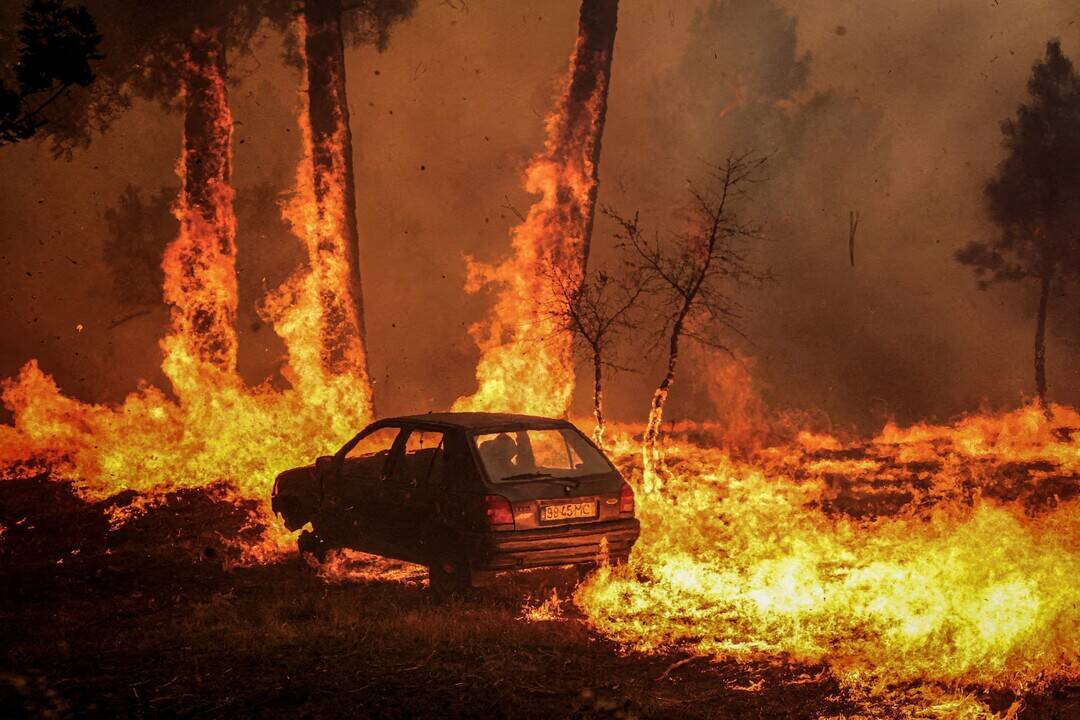
2025 set to be the 2nd or 3rd-hottest year ever: Scientists
The year 2025 is shaping up to be a scorching hot one, with scientists predicting it will be the second or third-warmest year on record. This forecast comes from the European Union’s Copernicus Climate Change Service (C3S), which has been closely monitoring global temperatures. The projection is alarming, to say the least, and highlights the accelerating rate of climate change.
According to the C3S, 2025 will likely join the ranks of 2024 as one of the hottest years ever recorded. This is particularly concerning, as it indicates a trend of increasing global temperatures. The average global temperature is expected to exceed 1.5 degrees Celsius above the 1850-1900 pre-industrial period, marking a significant milestone in the history of climate change.
The 1.5-degree threshold is a critical one, as it represents a level of warming that is likely to have severe and far-reaching consequences for the environment, ecosystems, and human societies. Rising temperatures are associated with more frequent and intense heatwaves, droughts, and storms, as well as sea-level rise and melting of polar ice caps.
The fact that 2025 is set to be the second or third-warmest year on record is a stark reminder of the urgent need for climate action. The past few years have seen a steady increase in global temperatures, with 2024 being the hottest year on record. The trend is clear: the planet is warming at an alarming rate, and the consequences of inaction will be severe.
The C3S forecast is based on data from a range of sources, including satellite observations, weather stations, and climate models. The service uses a combination of these data sources to produce a comprehensive picture of global climate trends. The forecast is subject to some uncertainty, but the overall trend is clear: the planet is getting hotter, and fast.
The implications of this forecast are far-reaching. Rising temperatures will have significant impacts on ecosystems, biodiversity, and human health. Heatwaves, droughts, and storms will become more frequent and intense, causing damage to infrastructure, agriculture, and human settlements. Sea-level rise will continue to threaten coastal communities and cities, displacing millions of people and causing billions of dollars in damage.
The economic costs of climate change are already being felt, and will only continue to grow as the planet warms. Climate-related disasters, such as hurricanes, wildfires, and floods, are becoming more frequent and costly. The World Bank estimates that climate change could push an additional 100 million people into poverty by 2030, highlighting the need for urgent action to reduce greenhouse gas emissions and mitigate the impacts of climate change.
So, what can be done to address the climate crisis? The answer is clear: reduce greenhouse gas emissions, and fast. The Paris Agreement, signed in 2015, sets a goal of limiting global warming to well below 2 degrees Celsius above pre-industrial levels, and pursuing efforts to limit it to 1.5 degrees Celsius. However, current country pledges under the agreement are insufficient to meet this goal, and more needs to be done to reduce emissions and transition to renewable energy sources.
Governments, businesses, and individuals all have a role to play in addressing the climate crisis. Governments can implement policies to reduce emissions, such as carbon pricing, clean energy targets, and energy efficiency standards. Businesses can invest in renewable energy, reduce waste, and promote sustainable practices. Individuals can make choices to reduce their carbon footprint, such as using public transport, eating a plant-based diet, and reducing energy consumption.
In conclusion, the forecast that 2025 will be the second or third-warmest year on record is a stark reminder of the urgent need for climate action. The planet is warming at an alarming rate, and the consequences of inaction will be severe. It is time for governments, businesses, and individuals to take bold action to reduce greenhouse gas emissions, transition to renewable energy sources, and promote sustainable practices. The future of the planet depends on it.
About the Author