2025 set to be the 2nd or 3rd-hottest year ever: Scientists
As the year 2025 comes to a close, scientists are warning that it is on track to become the second or third-warmest year on record, following closely behind 2024. This alarming trend is a clear indication of the accelerating rate of climate change, with the average global temperature expected to exceed 1.5 degrees Celsius above the pre-industrial period for the third consecutive year.
According to the European Union’s Copernicus Climate Change Service (C3S), the past three years have seen a significant surge in global temperatures, with 2024 being the hottest year on record. The data suggests that 2025 will likely be the second or third-warmest year, with the average global temperature hovering around 1.5 degrees Celsius above the 1850-1900 pre-industrial period.
This milestone is particularly significant, as it marks the first three-year period in which the average global temperature has exceeded 1.5 degrees Celsius above the pre-industrial period. This threshold is considered a critical tipping point in the fight against climate change, as it is expected to have severe and far-reaching consequences for the environment, ecosystems, and human societies.
The C3S report highlights the alarming rate at which the planet is warming, with the past decade being the warmest on record. The data shows that the average global temperature has risen by over 1.2 degrees Celsius since the pre-industrial period, with the past four years being the hottest on record.
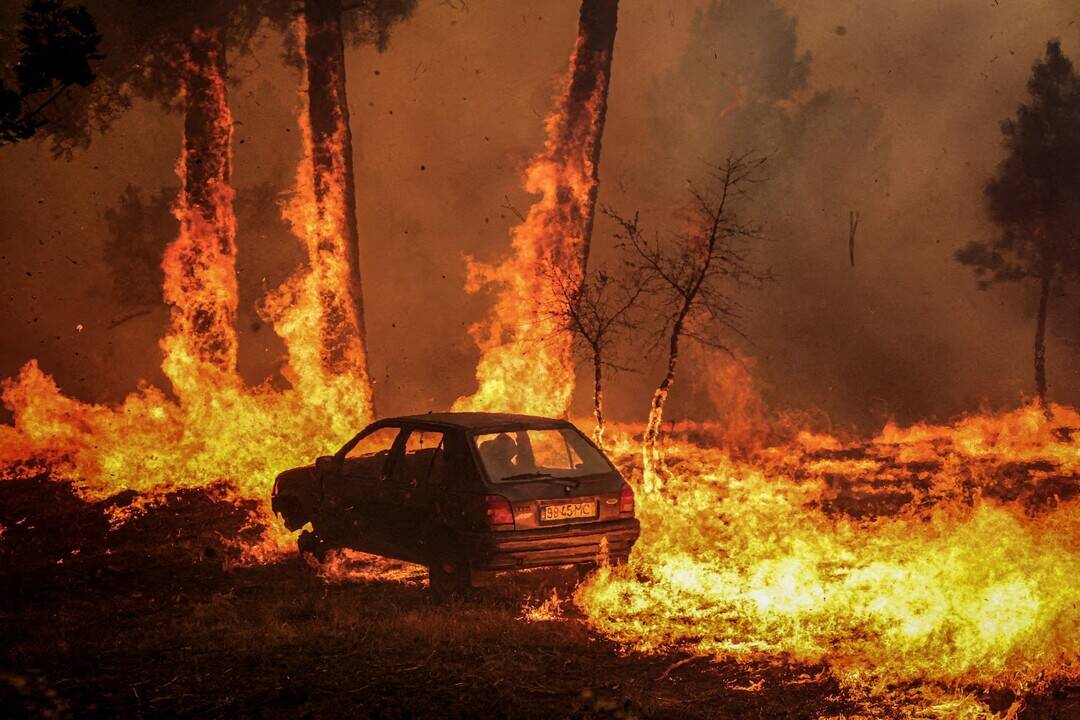
The consequences of this rapid warming are already being felt, with extreme weather events such as heatwaves, droughts, and floods becoming more frequent and intense. Rising sea levels are also threatening coastal communities and ecosystems, while melting glaciers and ice sheets are contributing to sea-level rise.
The science is clear: human activities, particularly the burning of fossil fuels and deforestation, are releasing large amounts of greenhouse gases into the atmosphere, leading to a global average temperature increase. The C3S report emphasizes the urgent need for immediate and drastic action to reduce greenhouse gas emissions and transition to renewable energy sources.
The European Union’s climate change service warns that the window for taking action to mitigate the effects of climate change is rapidly closing. The report stresses that limiting global warming to 1.5 degrees Celsius above the pre-industrial period will require a 45% reduction in greenhouse gas emissions by 2030, and net-zero emissions by 2050.
As the world looks to the future, it is clear that the fight against climate change will be a long and challenging one. However, with the right policies, technologies, and international cooperation, it is possible to mitigate the worst effects of climate change and create a more sustainable and equitable future for all.
The C3S report serves as a stark reminder of the urgent need for climate action, and the importance of continued investment in climate research and monitoring. As the world continues to warm, it is essential that we prioritize the development of climate-resilient infrastructure, climate-smart agriculture, and climate-informed decision-making.
In conclusion, the fact that 2025 is set to be the second or third-warmest year on record is a stark reminder of the accelerating rate of climate change. The science is clear, and the consequences of inaction will be severe. It is imperative that we take immediate and drastic action to reduce greenhouse gas emissions and transition to renewable energy sources. The future of our planet depends on it.
About the Author