2025 set to be the 2nd or 3rd-hottest year ever: Scientists
As the year 2025 draws to a close, scientists are warning that it is set to be the world’s second or third-warmest on record, following closely behind 2024. This alarming trend is a stark reminder of the accelerating rate of climate change, which is having far-reaching consequences for our planet. According to the European Union’s Copernicus Climate Change Service (C3S), this year will likely round out the first three-year period in which the average global temperature exceeded 1.5 degrees Celsius above the 1850-1900 pre-industrial period.
The news is a clear indication that climate change is not only real but is also intensifying at an unprecedented rate. The fact that 2025 is set to be the second or third-warmest year on record is a worrying sign that the planet is continuing to heat up, with potentially devastating consequences. The C3S has been closely monitoring global temperatures, and their data suggests that the past few years have been consistently warmer than any other period in recorded history.
The 1.5-degree Celsius threshold is a critical milestone in the fight against climate change. It is the level of warming that the Paris Agreement aims to limit global temperature increases to, in order to avoid the most catastrophic consequences of climate change. However, the fact that we have already exceeded this threshold for three consecutive years suggests that we are facing a climate emergency that requires immediate attention and action.
So, what are the implications of this trend? Firstly, it highlights the urgent need for governments and individuals to take drastic action to reduce greenhouse gas emissions and mitigate the effects of climate change. This can include measures such as transitioning to renewable energy sources, increasing energy efficiency, and protecting natural carbon sinks like forests and oceans.
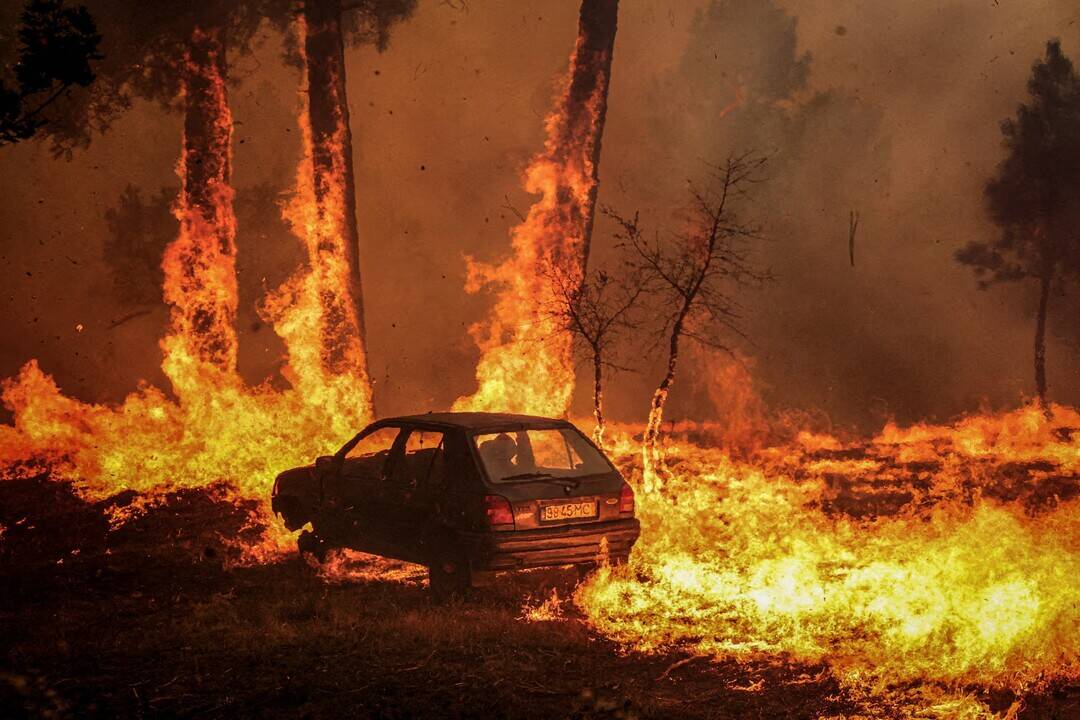
Secondly, it emphasizes the importance of climate resilience and adaptation. As the planet continues to warm, we can expect to see more frequent and intense heatwaves, droughts, and other extreme weather events. This means that communities and governments need to be prepared to respond to these events, and to take steps to protect vulnerable populations and ecosystems.
Finally, it underscores the need for continued investment in climate science and research. The C3S and other climate monitoring agencies play a critical role in tracking global temperatures and providing early warnings of climate-related hazards. By supporting these efforts, we can gain a better understanding of the climate system and develop more effective strategies for mitigating and adapting to climate change.
The economic implications of climate change are also significant. As the planet warms, we can expect to see more frequent and severe weather-related disasters, which can have devastating consequences for communities and economies. In addition, climate change can also have significant impacts on agriculture, water resources, and human health, which can have far-reaching economic and social implications.
In conclusion, the fact that 2025 is set to be the second or third-warmest year on record is a stark reminder of the urgent need for climate action. As the planet continues to heat up, we are facing a climate emergency that requires immediate attention and action. Governments, individuals, and communities must work together to reduce greenhouse gas emissions, invest in climate resilience and adaptation, and support climate science and research. Only by taking collective action can we hope to mitigate the worst impacts of climate change and create a more sustainable future for all.
The European Union’s Copernicus Climate Change Service (C3S) has been at the forefront of climate monitoring and research, providing critical data and insights that inform climate policy and decision-making. Their warning that 2025 is set to be the second or third-warmest year on record is a clear call to action, and a reminder that we must take urgent and sustained action to address the climate crisis.
As we look to the future, it is clear that climate change will be one of the defining challenges of the 21st century. However, by working together and taking collective action, we can reduce the risks associated with climate change and create a more sustainable and resilient future for all. The time for action is now, and we must seize this moment to address the climate crisis and ensure a livable future for generations to come.
About the Author