2025 set to be the 2nd or 3rd-hottest year ever: Scientists
As the year 2025 draws to a close, scientists are warning that it is set to be the world’s second or third-warmest on record, following closely behind 2024. This alarming trend is a clear indication of the accelerating rate of climate change, with the average global temperature exceeding 1.5 degrees Celsius above the 1850-1900 pre-industrial period for the first time in a three-year period.
The European Union’s Copernicus Climate Change Service (C3S) has made this startling prediction, highlighting the urgent need for global action to mitigate the effects of climate change. The C3S is a reputable and trusted source of climate data, and their findings are based on comprehensive analysis of global temperature records.
The fact that 2025 is likely to be the second or third-warmest year on record is a stark reminder of the rapidly changing climate. The past few years have seen a consistent rise in global temperatures, with 2024 being the hottest year on record. This trend is not only alarming but also has severe implications for the environment, ecosystems, and human societies.
The average global temperature has risen by over 1.1 degrees Celsius since the pre-industrial period, with the past decade being the warmest on record. This rise in temperature has been driven primarily by human activities, such as the burning of fossil fuels, deforestation, and land-use changes, which release large amounts of greenhouse gases, including carbon dioxide and methane, into the atmosphere.
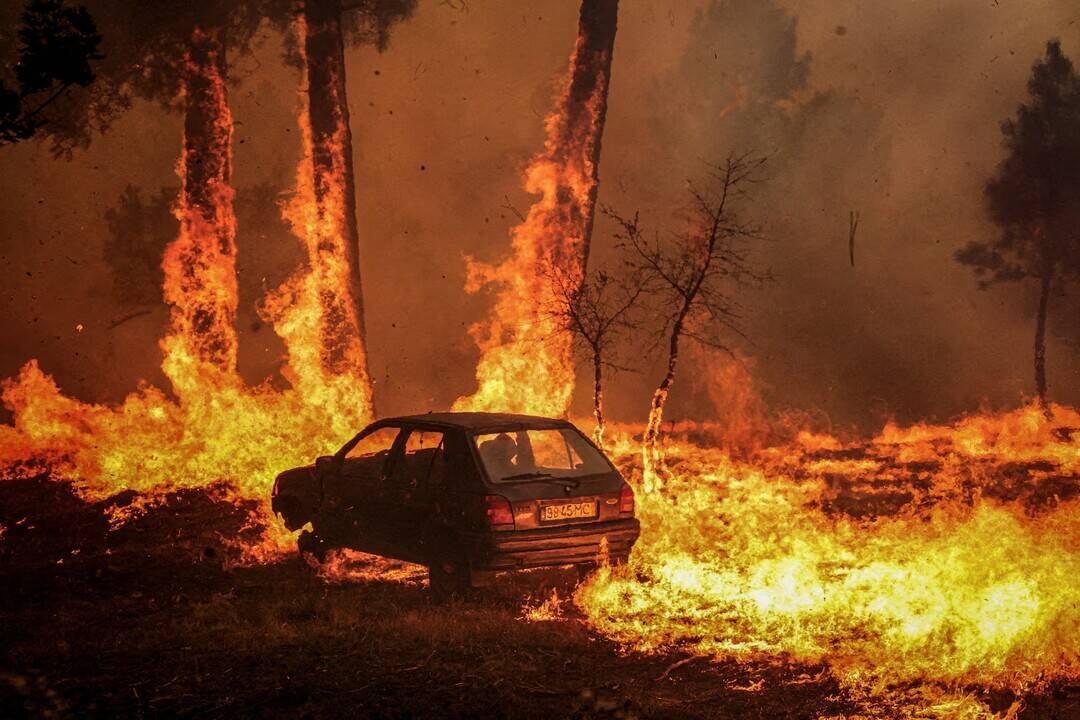
The consequences of this rapid warming are far-reaching and devastating. Rising temperatures are melting polar ice caps, raising sea levels, and altering weather patterns, leading to more frequent and intense heatwaves, droughts, and storms. This, in turn, has a significant impact on ecosystems, biodiversity, and human health, with increased risk of water scarcity, food insecurity, and displacement of communities.
The C3S prediction that 2025 will be the second or third-warmest year on record is also significant because it marks the first time that the average global temperature has exceeded 1.5 degrees Celsius above the pre-industrial period for a three-year period. This threshold is critical, as it is the limit beyond which the most catastrophic consequences of climate change are likely to occur.
The 1.5-degree target was agreed upon by world leaders at the Paris Climate Agreement in 2015, with the aim of limiting global warming to well below 2 degrees Celsius and pursuing efforts to limit it to 1.5 degrees Celsius. However, the current pace of progress is insufficient to meet this target, and urgent action is needed to reduce greenhouse gas emissions and transition to a low-carbon economy.
The good news is that there are many solutions available to address the climate crisis. Renewable energy sources, such as solar and wind power, are becoming increasingly cost-competitive with fossil fuels, and energy efficiency measures can significantly reduce energy consumption. Electrification of transportation, carbon capture and storage, and sustainable land-use practices are also critical strategies for reducing emissions.
Furthermore, climate change adaptation and resilience measures can help communities prepare for and respond to the impacts of climate change. This includes investing in climate-resilient infrastructure, implementing early warning systems for extreme weather events, and providing climate information services to support decision-making.
In conclusion, the prediction that 2025 will be the second or third-warmest year on record is a stark reminder of the urgent need for climate action. The science is clear: human activities are driving climate change, and the consequences are far-reaching and devastating. However, there are many solutions available to address the crisis, and it is essential that we work together to reduce greenhouse gas emissions, transition to a low-carbon economy, and build resilience to the impacts of climate change.
As we look to the future, it is crucial that we prioritize climate action and work towards a sustainable, equitable, and climate-resilient world. The window for action is rapidly closing, and the consequences of inaction will be catastrophic. We must act now to mitigate the effects of climate change and ensure a livable future for generations to come.
About the Author