2025 set to be the 2nd or 3rd-hottest year ever: Scientists
As the year 2025 draws to a close, scientists are warning that it is set to be the second or third-warmest year on record, according to the European Union’s Copernicus Climate Change Service (C3S). This alarming trend is a stark reminder of the accelerating rate of climate change, which is having far-reaching consequences for our planet.
The C3S has been monitoring global temperatures and has reported that 2025 is likely to be one of the hottest years ever recorded, beaten only by 2024. This year will also mark a significant milestone in the history of climate change, as it will likely round out the first three-year period in which the average global temperature exceeded 1.5 degrees Celsius above the 1850-1900 pre-industrial period.
The 1.5-degree threshold is a critical benchmark in the fight against climate change, as it represents a level of warming that is considered to be the maximum limit for avoiding the most catastrophic effects of climate change. The fact that the global average temperature has exceeded this threshold for three consecutive years is a clear indication that the rate of climate change is accelerating, and that urgent action is needed to reduce greenhouse gas emissions and mitigate its effects.
The C3S report is based on data from a network of weather stations, satellites, and other sources, which provide a comprehensive picture of global temperatures. The data shows that the average global temperature in 2025 is likely to be around 1.53 degrees Celsius above the pre-industrial period, which is slightly lower than the record-breaking temperature of 1.55 degrees Celsius recorded in 2024.
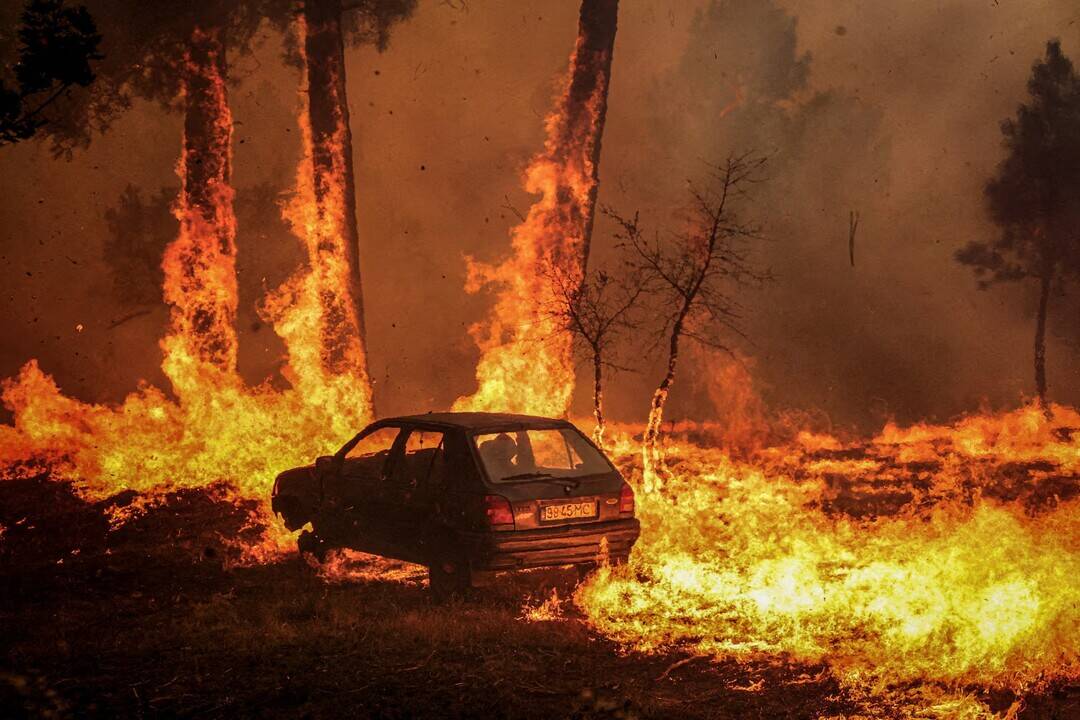
The accelerating rate of climate change is having a profound impact on the environment, with more frequent and severe heatwaves, droughts, and storms becoming the new norm. The consequences of climate change are far-reaching, from melting glaciers and rising sea levels to devastating wildfires and water scarcity.
The science is clear: human activities, particularly the burning of fossil fuels and deforestation, are releasing large amounts of greenhouse gases, such as carbon dioxide and methane, into the atmosphere, leading to a global average temperature increase. The Paris Agreement, signed by almost 200 countries in 2015, aims to limit global warming to well below 2 degrees Celsius above the pre-industrial period and pursue efforts to limit it to 1.5 degrees Celsius.
However, despite the Paris Agreement, global greenhouse gas emissions continue to rise, and the pace of climate change is accelerating. The C3S report is a stark reminder that more needs to be done to reduce emissions and transition to a low-carbon economy.
The European Union has been at the forefront of climate action, with a commitment to reduce greenhouse gas emissions by at least 55% by 2030 and become carbon neutral by 2050. The EU’s climate policies, including the European Green Deal, aim to promote sustainable economic growth, improve energy efficiency, and increase the use of renewable energy sources.
As the world looks to the future, it is clear that climate change will continue to be a major challenge. The C3S report is a wake-up call for governments, businesses, and individuals to take action to reduce greenhouse gas emissions and mitigate the effects of climate change. The window for action is rapidly closing, and it is essential that we work together to avoid the most catastrophic effects of climate change.
In conclusion, the fact that 2025 is set to be the second or third-warmest year on record is a stark reminder of the accelerating rate of climate change. The science is clear, and the consequences of inaction will be severe. It is essential that we take immediate and drastic action to reduce greenhouse gas emissions and transition to a low-carbon economy. The future of our planet depends on it.
About the Author