2025 set to be the 2nd or 3rd-hottest year ever: Scientists
The world is on track to experience its second or third-warmest year on record in 2025, according to the European Union’s Copernicus Climate Change Service (C3S). This prediction comes after 2024, which is currently ranked as the hottest year ever recorded. The C3S has been monitoring global temperatures and has released a statement indicating that 2025 will likely be one of the top three warmest years on record.
This news is particularly concerning, as it suggests that the rate of climate change is accelerating. The average global temperature is expected to exceed 1.5 degrees Celsius above the 1850-1900 pre-industrial period for the third consecutive year. This milestone marks a significant turning point in the fight against climate change, as it indicates that the world is rapidly approaching the critical threshold of 1.5 degrees Celsius above pre-industrial levels.
The C3S has been analyzing global temperature data and has found that the past few years have been consistently warmer than any previous years on record. This trend is expected to continue, with 2025 likely to be one of the warmest years ever recorded. The exact ranking of 2025 in terms of warmth will depend on various factors, including weather patterns and climate trends over the next few months.
The implications of this news are far-reaching and significant. Rising global temperatures are having a profound impact on the environment, ecosystems, and human societies. More frequent and severe heatwaves, droughts, and storms are just a few of the consequences of climate change. The economic and social costs of these events are already being felt, and are likely to worsen in the coming years if urgent action is not taken to reduce greenhouse gas emissions and mitigate the effects of climate change.
The fact that 2025 is set to be the second or third-warmest year on record is a stark reminder of the need for immediate and collective action to address the climate crisis. The world’s top scientists and climate experts have been warning about the dangers of climate change for decades, and the evidence is now clear: human activities are causing the Earth’s temperature to rise at an alarming rate, with devastating consequences.
The C3S’s prediction is based on a range of data sources, including satellite and weather station records. The service uses advanced computer models to analyze this data and make predictions about future climate trends. The accuracy of these predictions has improved significantly in recent years, thanks to advances in technology and our understanding of the climate system.
One of the key factors contributing to the warming trend is the increasing levels of greenhouse gases in the atmosphere. Carbon dioxide, methane, and other gases are released through human activities such as burning fossil fuels, deforestation, and land-use changes. These gases trap heat in the atmosphere, leading to a rise in global temperatures.
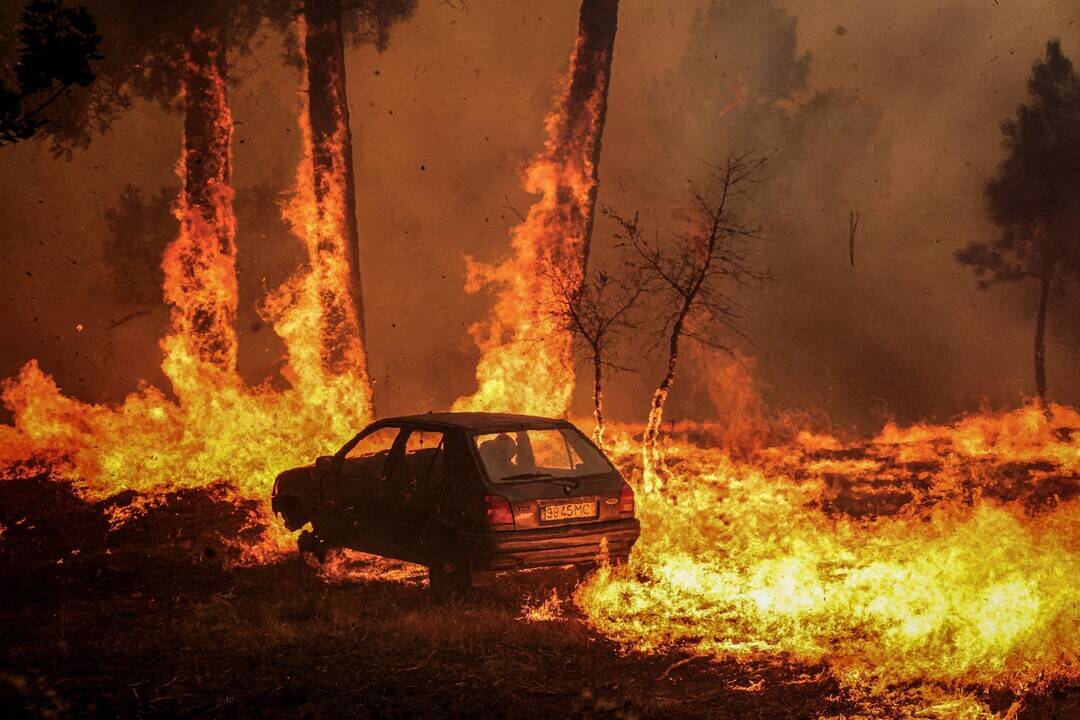
The consequences of inaction are dire. If greenhouse gas emissions continue to rise at current rates, the world can expect to see more frequent and severe climate-related disasters, including hurricanes, wildfires, and droughts. The economic and social costs of these events will be catastrophic, and the world’s most vulnerable populations will be disproportionately affected.
On the other hand, there is still hope for a more sustainable future. If governments, businesses, and individuals work together to reduce greenhouse gas emissions and transition to renewable energy sources, it may be possible to limit the worst effects of climate change. The European Union’s commitment to reducing emissions and promoting sustainable development is a positive step in this direction.
In conclusion, the news that 2025 is set to be the second or third-warmest year on record is a wake-up call for the world. The science is clear: human activities are causing the climate to change, and the consequences are already being felt. It is imperative that we take immediate and collective action to reduce greenhouse gas emissions and mitigate the effects of climate change. The future of our planet depends on it.
About the Author